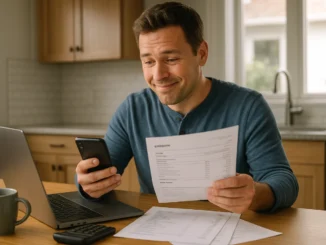

Phone bills have a funny way of climbing just when you stop paying attention. One month it looks normal, then suddenly your phone plan costs more than your streaming services, groceries, and maybe a takeout dinner combined. The good news is that you usually do not need to switch your whole life to lower your bill.
Why your phone bill keeps creeping up
Most people are paying for something they do not fully use. That could be extra data, device payments, insurance, hotspot access, or add-ons that were helpful for one month and then quietly stuck around forever.
Contract plans can be especially tricky because the monthly price often looks reasonable until fees, taxes, and installment charges show up. Prepaid plans can also get expensive if you are on a bigger data package than you actually need.
Start by reviewing your current plan
The easiest way to lower your phone bill is to look at what you are already paying for. Check your recent bill and write down your base plan, device payment, insurance, add-ons, and any discounts.
If you consistently use Wi-Fi at home and work, you may not need unlimited data. Many people can save money by dropping to a smaller plan or removing features they barely touch.
Cut extras you do not use
Insurance, premium voicemail, international calling bundles, cloud storage, and “premium support” can add up fast. If you have not used those features in months, it is worth removing them.
A simple example: trimming $10 in extras and $15 from a data downgrade can save $25 a month, or $300 a year. That is real money, not pocket change pretending to be important.
How to save money on cell phone service with prepaid and MVNOs
If you want a cheaper phone plan, prepaid service is often one of the fastest ways to get there. Prepaid providers and MVNOs, which use the major networks, often offer solid coverage for much less than traditional contract plans.
For example, someone paying $80 to $100 a month on a big-name carrier might find a similar prepaid plan for $35 to $50. That can mean saving $40 or more every month without changing phones or learning a new system.
These plans usually work best for people who want straightforward pricing and do not need every premium perk. If you mainly call, text, stream a little video, and use maps, prepaid can be a smart way to save money on cell phone service.
Use Wi-Fi to stretch your data
Wi-Fi is the easiest budget tool most people already have. Use it at home, at work, and in places you visit often so your mobile data does not get burned up on basic browsing, updates, and streaming.
Turn on Wi-Fi calling if your phone and carrier support it. That can help you stay connected in weak-signal spots and reduce the temptation to pay for a bigger plan than you really need.
How to negotiate a better deal with your provider
Before you switch, it is worth calling your provider and asking for a better rate. Keep it simple and honest. Ask if there are any current promotions, loyalty discounts, or account-specific offers that could lower your monthly cost.
Mention what competitors are offering if you have done a little homework. You do not need to give a dramatic speech. Just say you are comparing plans and want to know whether they can match a lower price or improve your current deal.
If the first person cannot help, ask to be transferred to retention. That team often has more flexibility to offer a temporary discount, waive a fee, or suggest a cheaper plan that still fits your needs.
When switching providers makes sense
Switching is worth it when your current bill stays high even after you remove extras and downgrade your plan. It also makes sense if your carrier has weak coverage where you live, work, or travel most often.
Before you move, check coverage maps and make sure your phone is unlocked. If you are bringing your number with you, ask about the porting process so you know what to expect and avoid any service gaps.
Smaller carriers and prepaid brands can deliver meaningful savings, especially if you bring your own phone. Skipping a financed device can make a big difference because you are not paying a monthly phone installment on top of service.
Keep device costs from sneaking into your bill
Financing the newest phone is convenient, but it can turn a manageable bill into an expensive one fast. If your current phone works fine, keeping it for another year or two is one of the simplest ways to save money on your cell phone bill.
If you do upgrade, time it carefully. Waiting until a promo is available or buying an unlocked phone outright can help you avoid a long payment plan that keeps stretching your budget month after month.
Family or group plans can also help if everyone in the household is on the same page about usage. Just make sure the savings are real and not erased by extra lines, device payments, or features nobody asked for.
FAQ
Is prepaid always cheaper than a contract plan?
Not always, but it often is. Prepaid is usually a strong option if you want predictable pricing and do not need premium extras.
Will switching carriers hurt my coverage?
It can, which is why checking coverage first matters. Look at the coverage in the places you spend most of your time before you switch.
Can I keep my phone number if I change providers?
Yes, in most cases. Ask the new carrier about number porting and make sure your current account information is ready.
What is the easiest way to lower my bill today?
Start by removing add-ons, checking for autopay discounts, and seeing whether a lower data tier fits your usage. Those small changes can add up quickly.
If your phone bill has been quietly draining your budget, start with one quick review tonight. Look at what you are paying for, cut the extras you do not use, and compare your current plan with a prepaid or lower-cost option. A few smart changes can turn an overpriced bill into a monthly expense that actually makes sense.