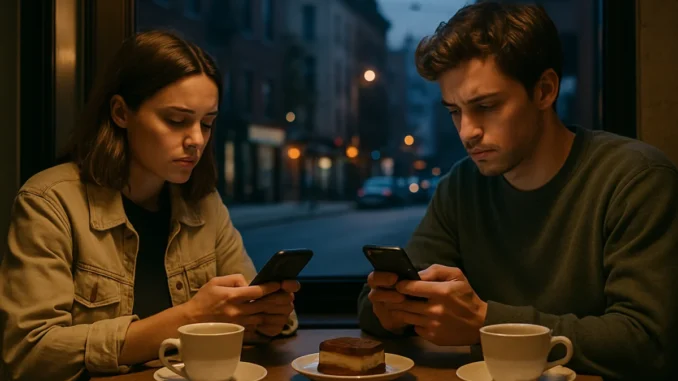
Young Americans are scaling back dating, according to a recent survey, as the cost of going out keeps rising and dating apps push more paid features onto users. The shift is most visible among adults in their 20s and early 30s, who are responding to higher prices, subscription fatigue, and a growing sense that finding a match now carries both an emotional and financial burden.
Context: dating has become more expensive to enter
Dating has never been free, but the price of participation has climbed. Dinner dates, rideshares, drinks, tickets, and other social spending now compete with rent, student debt, and everyday inflation.
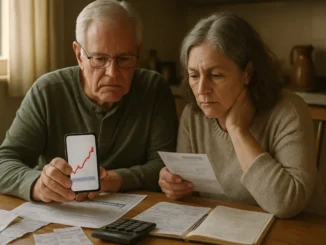
The Bureau of Labor Statistics has reported persistent price pressure in categories tied to social life, including food away from home and recreation, leaving less room in monthly budgets for casual spending. For young adults who already face tighter financial margins than older age groups, dating can start to look optional rather than routine.
At the same time, dating apps have turned romance into a service economy. Basic use is often free, but the tools designed to improve visibility or control who sees a profile usually sit behind paid tiers.
Survey results point to a pullback
The survey behind the trend shows that many young Americans are not just dating differently. They are dating less often, waiting longer between dates, or stepping back altogether.
That response reflects a practical calculation. A single night out can now include transportation, food, drinks, and a possible second location, while app subscriptions, boosts, and premium filters can add a recurring monthly cost before a first meeting even happens.
People are also weighing the emotional cost of the process. Many users say app-based dating requires constant messaging, profile management, and repeated rejection, which can make the experience feel more like unpaid labor than social connection.
Young adults have long been a core audience for dating platforms, but they are also more sensitive to price. Pew Research Center has found that younger adults are the most likely age group to use dating sites and apps, which makes them the first users to feel changes in pricing, product design, and the overall tone of the market.
Apps are adding pressure as they search for revenue
Dating apps have spent years trying to grow revenue beyond free users, and that strategy now shapes the user experience. Platforms have leaned harder on subscriptions, limited free swipes, profile boosts, and premium filters that promise more matches or better control over who appears in a queue.
That model creates a tension. The apps need engagement to keep users active, but the more features they charge for, the more some users question whether the service is worth the price.
Industry earnings calls have repeatedly pointed to the importance of monetizing core users, not just attracting new ones. Match Group and Bumble, two of the largest public dating platforms, have both faced pressure from investors to prove that premium features can drive stable growth.
For users, the result is a marketplace where dating feels increasingly segmented. Some people can afford the paid tools that may improve their odds, while others stay on the free version and accept slower results, fewer matches, or a narrower pool of potential partners.
What it means for daters and the industry
The trend suggests dating is becoming a discretionary expense instead of a default social habit. That could push more young adults toward lower-cost alternatives such as group outings, friend introductions, community events, and slower in-person courtship.
It may also force app companies to rethink what users will actually pay for. If younger consumers continue to resist subscriptions, platforms will need to balance monetization with trust, especially as complaints about ghosting, scams, and algorithm fatigue continue to mount.
For readers, the bigger signal is that romance is now shaped by the same forces affecting the rest of consumer life: inflation, paywalls, and trade-offs. What to watch next is whether dating apps soften pricing, add more free features, or double down on premium access as users keep trimming the cost of looking for love.