
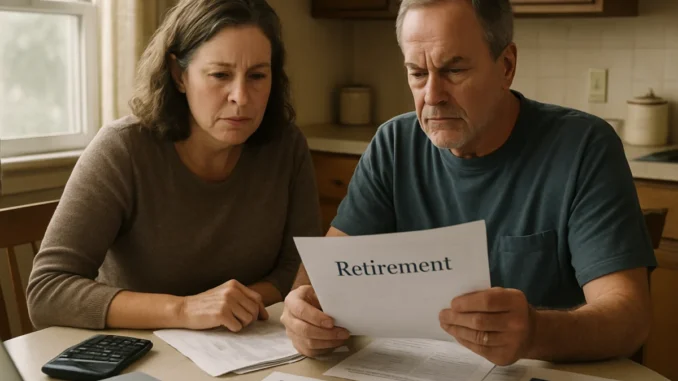
A 2025 retirement survey found that 46% of Americans who retired this year left the workforce earlier than planned, underscoring a hard reality for U.S. households: retirement often arrives on a timetable shaped by health, layoffs, caregiving, or market swings, not by the date on a savings spreadsheet. The finding matters because many workers expect to delay retirement to build larger nest eggs and reduce pressure on Social Security, yet that plan can collapse when income stops sooner than expected.
Why retirement plans often miss the mark
For years, financial advice has encouraged people to work longer if they can. The logic is straightforward: more years of pay, more time to save, and fewer years drawing down assets.
But that strategy depends on control, and control is exactly what many workers do not have. A target retirement age can be derailed by a medical diagnosis, a corporate restructuring, a spouse’s illness, or the need to help family members who can no longer manage on their own.
That gap between intention and reality creates a financial problem. The Social Security Administration says monthly benefits rise when workers delay claiming, with increases available up to age 70. If someone leaves work years earlier than expected, they may have to claim sooner, reducing lifetime income and increasing the strain on savings.
What pushes people out sooner
The survey points to a mix of factors that can force an early exit. Health remains a major one, especially for workers in physically demanding jobs who cannot simply extend their careers by choice.
Layoffs are another. Older workers can be especially vulnerable if their jobs disappear late in life, because a new position may pay less, offer fewer hours, or be harder to secure than the one they lost.
Caregiving also matters more than many plans assume. When an older worker becomes the default caregiver for a parent, spouse, or grandchild, retirement can happen not because the person is financially ready, but because work and family demands collide.
Inflation adds pressure to all of it. Higher prices can push people to stay in the labor force longer, but they can also make any sudden income loss more damaging. A household that expected a few more years of wages may instead face immediate withdrawals from retirement accounts, often before those accounts have fully recovered from market volatility.
The math behind working longer
Working longer can still improve retirement security for people who are able to do it. Continued earnings allow more payroll contributions, and every extra year can reduce the number of years a portfolio must support spending.
But the strategy is not a guarantee, and the survey shows why it is risky to build a plan around a single retirement date. If a worker expects to retire at 67 and is forced out at 63, that four-year gap can mean fewer savings contributions, more years of expenses, and less flexibility in when to claim Social Security.
The risk is even higher for households with little liquid cash. Without an emergency fund, an early retirement often triggers immediate account withdrawals, debt use, or cuts to spending that can alter housing, health care, and travel plans.
What experts and planners are watching
Retirement planners generally advise households to stress-test their finances for an earlier exit. That means asking a basic but uncomfortable question: would the budget still work if work ended two to five years sooner than planned?
Analysts also recommend building flexibility into retirement income. That can include a larger cash reserve, reduced debt before retirement, and a realistic view of part-time work, which is often treated as a bridge but is not always available on stable terms.
Occupation matters too. Workers in physically strenuous jobs usually have less room to extend their careers, while salaried workers with remote or flexible arrangements may have more options. The same advice does not fit both groups, which is why one-size-fits-all retirement guidance often falls short.
What this means for readers and the industry
For readers, the survey is a reminder to treat retirement timing as a risk, not an assumption. A plan that works only if someone can stay employed until a specific age is fragile, especially in an economy where job loss, illness, or caregiving can arrive without warning.
For employers, advisers, and retirement-plan providers, the finding strengthens the case for phased retirement, better support for older workers, and clearer guidance on Social Security claiming. What to watch next is whether more households start building backup plans for involuntary retirement, because the data suggest many Americans will not leave work on the schedule they expect.