
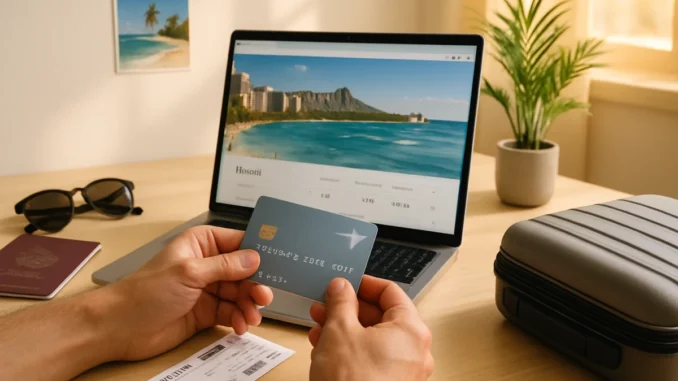
If you’re considering the Barclaycard Hawaiian Airlines 70,000 bonus, this guide explains what you actually get, how the $1,000 spending requirement works, and whether the $99 annual fee makes sense for your travel plans in 2026. You’ll also see how HawaiianMiles can be used, where the value is strongest, and which travelers are most likely to come out ahead.
Key takeaways
- The welcome offer is 70,000 Hawaiian Airlines miles after $1,000 in spend within 90 days.
- The card has a $99 annual fee, but it also includes a checked-bag perk and a companion discount.
- This offer is strongest for travelers who fly to Hawaii, can use airline-specific rewards, and want a low spending hurdle.
What do you need to earn the 70,000-mile bonus?
The headline is simple: spend $1,000 within 90 days of account opening and earn 70,000 Hawaiian Airlines miles. That is a relatively light threshold compared with many airline cards, which makes the offer appealing if you want a fast path to a travel balance without heavy everyday spending.
Just remember that a bonus only matters if you can redeem it. HawaiianMiles are most useful when you already have a Hawaii trip in mind or when you can transfer the value into a specific flight, bag fee savings, or companion travel benefit.
Is the $99 annual fee worth paying?
The annual fee is the first filter. At $99, the cost is modest for an airline card, but it should still be measured against your likely use of the benefits. If you take even one round trip where the checked bag perk saves money, or if you can use the companion discount on an anniversary booking, the fee can be easier to justify.
The earning structure also helps the card stay relevant after the bonus. You earn 3x miles on Hawaiian Airlines purchases, 2x on gas, dining, and grocery store purchases, and 1x on everything else. That makes it more than a one-time signup card, although the strongest value still comes from airline-specific spending and flight redemptions.
When the fee can pay for itself
If you often buy Hawaii airfare, check bags, or travel with a partner, the math can work quickly. The card also has no foreign transaction fees, which is useful if your trip includes international routing or overseas purchases. For travelers who want a simple airline card rather than a flexible points strategy, that combination can be practical.
How far can 70,000 HawaiianMiles go?
The exact value depends on route, timing, and award availability. In the source article, example redemptions include roundtrip mainland-to-Hawaii travel starting at 35,000 miles and interisland flights at 7,500 miles one way, though availability on popular dates can be tight.
Hawaiian Airlines explains its mileage and redemption rules on the HawaiianMiles program page, which is the best place to review current program details before you book. The key point is that airline miles are only valuable when you can find the itinerary you need at a workable price.
Example use cases
A family planning a Hawaii vacation may use the bonus to offset one domestic leg, while a frequent visitor could combine the miles with the card’s companion discount on an anniversary trip. Solo travelers may prefer to save the balance for a high-demand route where cash fares are elevated. The bonus is most compelling when it replaces a trip you were already planning, not when it creates a trip from scratch.
Who should apply for this card now?
This offer is a good fit if you want a straightforward signup bonus, live near a Hawaiian Airlines route, or expect to visit Hawaii within the next year. It also makes sense if you value airline perks more than flexible transferable points and want a card with a low spending target.
You may want to pass if you rarely fly Hawaii routes, prefer points that transfer across multiple airlines and hotels, or dislike carrying an annual-fee card for a single redemption goal. In that case, a general travel card may produce more flexible value.
If this card matches your travel plans, compare the bonus against the real cost of your next Hawaii trip and decide whether the checked bag benefit, companion discount, and mileage haul would replace expenses you would otherwise pay out of pocket. That is usually the clearest way to tell whether the offer is a smart move for your wallet.