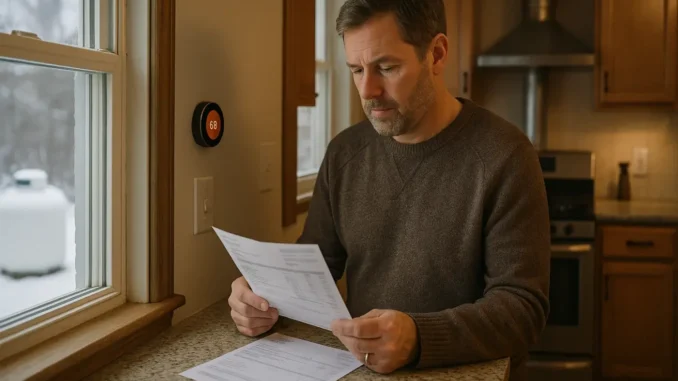
If you have been wondering how much gas are you wasting, the answer might be more than you think. Between rising utility prices, winter heating, and everyday appliance use, even small leaks and bad habits can quietly push your bill higher. The good news is that a lower gas bill usually comes from a handful of simple fixes, not a big expensive project.
Whether your home runs on natural gas or propane, the same idea applies: stop heat from escaping, use what you pay for more efficiently, and keep equipment working the way it should. A few weekend chores can help reduce heating costs without turning your house into a science experiment.
Seal Drafts to Lower Your Gas Bill
Start with the easiest place to save money, which is the air sneaking in and out of your house. Drafty doors, old windows, attic leaks, and thin insulation can make your furnace work harder than it should. That means more gas used just to keep the temperature steady.
Weatherstripping, caulk, door sweeps, and attic insulation are boring but effective. Common energy-efficiency guidance shows that sealing leaks and adding insulation can trim heating costs enough to notice on a monthly bill. For many households, that can mean saving enough over a winter to cover a grocery run or two.
Even if you are not ready for a big insulation project, a simple walk around the house can help. Put your hand near windows, outlets, baseboards, and attic access points on a cold day. If you feel a draft, you have found a place where your money is slipping out.
Use a Smart Thermostat to Reduce Heating Costs
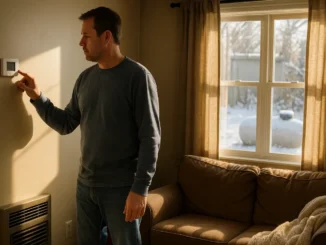
A smart thermostat can help, but only if you use it with a little discipline. Set it lower when you are asleep or away, and resist the urge to crank it way up after coming in from the cold. That does not heat the house faster, it just makes the system run longer.
As a rule of thumb, lowering the thermostat by 7 to 10 degrees for eight hours a day can reduce heating costs by around 10 percent. If your home is at 70 degrees all day, trying 68 or 67 when you are comfortable can still add up over time. Tiny changes, big payoff.
One easy trick is to pair the thermostat with habits, not just settings. Close curtains at night, wear a sweater, and let the heat cycle normally instead of fighting it every five minutes. Your furnace does not need a motivational speech.
Maintain Gas Furnaces and Appliances
Your furnace cannot save you money if it is clogged, dusty, or overdue for a checkup. Dirty filters, weak burners, and worn parts force a system to burn more gas than necessary. If your heat feels uneven or your bills keep climbing, maintenance should be high on the list.
Change filters regularly, keep vents clear, and have a professional inspect the furnace before the coldest months hit. Do the same for other gas appliances like water heaters, dryers, and stoves. A tune-up often costs far less than months of extra gas use caused by a problem you never noticed.
If you use propane, maintenance matters just as much. A poorly adjusted appliance can burn more fuel and still deliver worse performance. That is not a good trade, especially when you are trying to save on propane during the winter.
Cut Hot Water Gas Use
Hot water is one of the sneakiest places to waste gas. Long showers, tiny loads of laundry, and running the tap while dishes sit in the sink all make the water heater work harder. If your home uses gas or propane to heat water, this is an easy place to lower gas bill pressure.
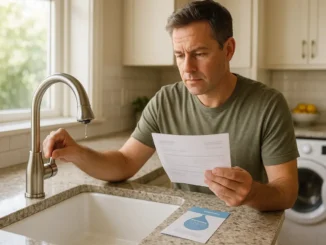
Try shorter showers, fix dripping faucets, and wash clothes in cold water when you can. Turning the water heater down a little can also help, as long as the water is still hot enough for your needs. The goal is not discomfort. It is to stop paying to heat water you never really use.
On top of that, think about the small stuff that adds up. Only run the dishwasher and washing machine with full loads, and avoid letting hot water run while you are scrubbing or rinsing. It is a little less wasteful and a little kinder to your utility bill.
Cook Smarter with Gas or Propane
Cooking does not have to waste gas either. Use lids on pots, match the burner size to the pan, and avoid heating a big burner for a small saucepan. If you are using propane for cooking outdoors, keep the grill lid closed as much as possible so heat stays where it belongs.
You can also plan ahead. Thaw food before cooking, turn burners off a minute early when food finishes in the retained heat, and avoid extra preheating when it is not needed. These are small habits, but they help save on propane and natural gas without changing what you eat.
If you cook at home a lot, a few little habits can make a real difference over a month. Using the right flame size and keeping lids on is not glamorous, but neither is paying extra for heat that disappears into the kitchen air.
Manage Propane Refills and Track Usage
Propane users have one extra challenge because tank levels can sneak up on you. When a tank gets very low, emergency delivery fees and rushed refills can make the next fill more expensive. It is better to track usage and schedule refills before the tank is nearly empty.
Keep a simple log of refill dates, gauge readings, and how fast the tank drops in colder weather. If your usage suddenly jumps, that may point to a leak, a setting problem, or a piece of equipment that needs attention. A small leak in a propane system is not something to ignore, and it can become an expensive one fast.
Comparing delivery prices from local suppliers can also help, especially if your area gives you more than one option. A little planning goes a long way when you are trying to avoid surprise fuel costs.
Frequently Asked Questions
What uses the most gas in a home?
For most homes, heating is the biggest gas expense. Water heaters, stoves, dryers, and fireplaces can also add up, especially in winter when the furnace is already working hard.
How can I lower my gas bill fast?
Focus on the quick wins first. Seal drafts, lower the thermostat a couple of degrees, replace dirty furnace filters, and cut a little hot water use. Those steps cost little and can start helping right away.
Is propane more expensive than natural gas?
It often is, but the real answer depends on where you live and how you use it. Propane is common in rural areas and off-grid homes, so the best way to save is to track usage, compare refill prices, and avoid emergency deliveries.
Do gas appliances need regular maintenance?
Yes. Furnaces, water heaters, dryers, and stoves all work better when they are clean and inspected. Regular maintenance helps them run more efficiently and can prevent surprise repair bills later.
Saving gas is usually about a few repeatable habits, not a major remodel. Pick one fix from each section, track your next bill, and keep the changes that work. By next month, you may notice that your furnace, water heater, and propane tank are all getting a little less of your money.