When gas bills climb, it can feel like your budget is getting squeezed from every direction. If you are trying to save money on gas, the good news is that small changes at home can make a real difference, whether you use natural gas for heating and appliances or propane for heat, cooking, and outdoor use.
You do not need a major remodel or fancy gadgets to lower your gas bill. A few smart habits, a little maintenance, and some attention to leaks and waste can help reduce heating costs without making your home feel cold or inconvenient.
Seal Drafts and Keep Heat Where It Belongs
One of the easiest ways to save on gas is to stop warm air from sneaking out of your house. Check around windows, doors, attic hatches, and basement edges for drafts, then use weatherstripping or caulk where needed.
Adding insulation in the attic can also pay off over time. According to energy experts, even modest improvements can cut heating waste and make your furnace or boiler work less often. That means lower bills and fewer chilly spots near the couch.
If you rent, you may still be able to use draft blockers, heavy curtains, and window film to keep more heat inside. These fixes are cheap, simple, and often feel better than turning the thermostat up just one more notch.
Use Your Thermostat Like a Money-Saving Tool
Your thermostat is one of the best tools you have for reducing heating costs. A small adjustment can save more than most people expect, especially during cold months when the system runs all day.
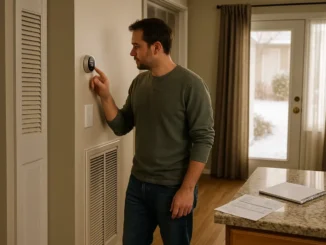
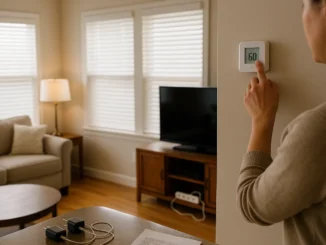
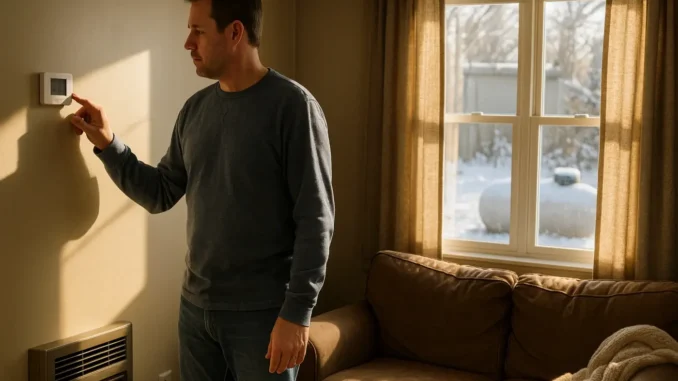
A good rule is to set the temperature lower when you are asleep or away from home. Many households can save around 10% a year by lowering the thermostat by 7 to 10 degrees for eight hours a day. That is the kind of math we can all get behind.
Smart thermostats can help if you often forget to adjust settings. Even a basic programmable model can keep your home comfortable without wasting gas when nobody is there to enjoy the warmth.
Maintain Furnaces and Gas Appliances
A furnace that is dirty or overdue for service has to work harder, which can raise gas usage. Replacing filters on schedule, checking vents, and scheduling annual maintenance can help your system run more efficiently.
The same idea applies to other gas appliances, including water heaters, stoves, dryers, and fireplaces. If a pilot light goes out often, burners are uneven, or you smell gas, it is time to get the issue checked by a professional right away.
Think of maintenance as prevention. Spending a little now can help you avoid a bigger repair later, plus it can keep your monthly bills from creeping upward for no good reason.
Reduce Hot Water Use to Lower Your Gas Bill
Hot water is one of the biggest hidden gas costs in many homes. If your water heater runs on natural gas or propane, every extra minute in the shower or every load of laundry on hot adds up.
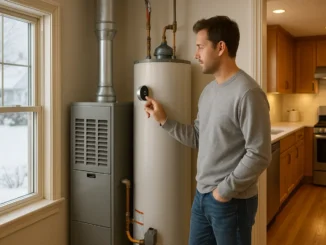
Start with shorter showers and wash clothes in cold water when possible. You can also lower the water heater setting to 120 degrees Fahrenheit, which is hot enough for most homes and easier on your gas usage.
Fixing small leaks in faucets and showerheads matters too. A dripping hot water line can waste both water and energy, which is not exactly a winning combo for your utility bill.
Cook Smarter with Natural Gas or Propane
Cooking with gas can be efficient, but a few habits make it even better. Use lids on pots, match the burner size to the pan, and turn the flame down once water or food reaches the right heat.
If you are baking, try cooking several items at once so the oven is not heating the kitchen for just one dish. In warm months, consider using smaller appliances like a slow cooker, toaster oven, or grill to keep indoor heat and gas use lower.
For propane users, efficiency matters even more because every gallon counts. Simple kitchen habits can stretch your supply and help you save on propane without changing what you eat.
Manage Propane Refills Before They Get Expensive
Propane prices can swing, so timing and tracking matter. Keep an eye on tank levels before they get too low, because emergency refills often cost more and leave you with fewer choices.
If possible, refill before peak winter demand kicks in. Some households also save money by comparing local suppliers, asking about automatic delivery discounts, or tracking average monthly use so they can spot waste early.
Outdoor propane use matters too. Grills, patio heaters, and fire pits can burn through fuel faster than expected, especially during colder months when everyone wants to linger outside a little longer.
Simple Habits That Help Reduce Heating Costs
Little routines can add up over a season. Close doors to unused rooms, keep vents clear, and open curtains on sunny days to let natural heat in. At night, close them again to hold warmth inside.
Dress for the season indoors, too. It is amazing how much money stays in your pocket when the whole house is not treated like a tropical resort in January.
If your utility company offers a home energy audit, take advantage of it. Some local programs and government resources can point out where your home is losing heat and where the biggest savings are hiding.
FAQ: Saving Money on Gas
What is the fastest way to lower my gas bill?
Start with thermostat changes, sealing drafts, and water heater settings. These are low-cost fixes that can show results quickly, especially during winter.
Does turning the heat down really save money?
Yes. Lowering the thermostat when you are asleep or away can cut heating costs over time. The savings may not be dramatic in one day, but they add up across a full season.
How can I save on propane at home?
Track tank levels, avoid emergency deliveries, use propane efficiently while cooking or grilling, and compare suppliers when you can. Planning ahead usually costs less than waiting until the tank is nearly empty.
Should I service my furnace every year?
Yes, annual maintenance helps your furnace run efficiently and can catch small problems before they turn into bigger, more expensive ones. A cleaner system usually uses less gas, too.
Can small weatherproofing fixes really help?
Absolutely. Weatherstripping, caulk, and draft blockers are inexpensive, but they can keep a lot of warm air from escaping. That means your heating system does less work and your home stays more comfortable.
Saving money on gas is not about doing everything perfectly. It is about making a handful of practical changes that keep heat where it belongs, reduce waste, and help your home run more efficiently all season long.