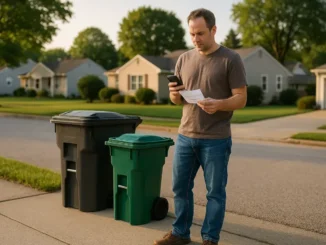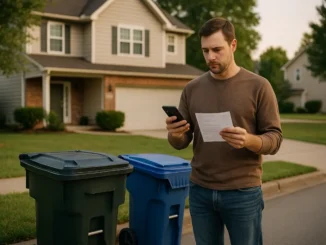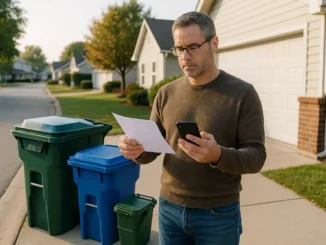
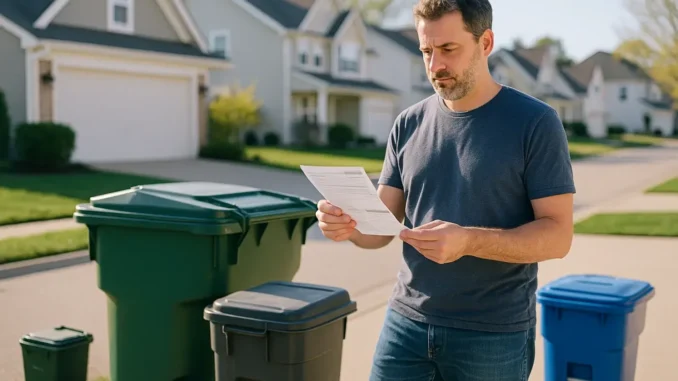
If your trash collection bill has crept up lately, you are not alone. Rising service fees, extra cart charges, and overage costs can make garbage pickup feel surprisingly expensive. The good news is that there are practical ways to lower your trash bill without turning your home upside down.
Whether you use a city service or a private hauler, a few small changes can help you save money on garbage collection and reduce waste costs month after month. Some of these fixes take one phone call. Others just take a better habit at the kitchen sink and recycling bin.
1. Downsize your trash bin size
One of the quickest ways to save is to pay for the smallest cart that fits your household. Many municipal trash services and private companies charge less for smaller bins, and that difference can add up fast over a year.
If your cart is only half full most weeks, you are probably paying for more service than you need. A smaller bin can save a family about $8 to $15 a month, which is real money when bills keep climbing.
2. Reduce waste before it reaches the curb
The less you throw away, the less likely you are to hit overage fees or need extra pickup. Start with easy wins like planning meals, using leftovers, and buying items with less packaging.
It also helps to reuse bags, containers, and shipping boxes when you can. A little waste prevention goes a long way when your trash cart seems to fill itself by Tuesday.
3. Recycle the right way to cut trash volume
Recycling properly can shrink the amount going into your garbage cart. Cardboard, clean paper, metal cans, and accepted plastic containers should usually go into recycling instead of the trash.
Just make sure you follow your local rules. Contaminated recycling can get rejected, which means it ends up back in the trash and does nothing to lower trash bill pressure.
4. Compost food scraps and yard waste
Food waste takes up a lot of space in the trash, and it can make bags heavy and messy. Composting apples, coffee grounds, veggie peels, and yard clippings can reduce how often you fill your cart.
If your city offers curbside compost pickup, it can be an easy way to cut garbage volume. If not, a small backyard bin or countertop compost pail can still help reduce waste costs at home.
5. Avoid extra pickup charges
Extra bags, bulky items, and missed pickup rules can lead to surprise fees. Check how many bags are allowed, what counts as an oversized item, and whether yard waste or holiday trash has separate pricing.
If you regularly go over the limit, it may be cheaper to make a few simple changes at home than to keep paying the add-on charges. A $3 or $5 fee here and there can quietly become a monthly nuisance.
6. Compare private trash collection companies if you have a choice
If you are not locked into a city contract, shop around. Private haulers often vary in price, pickup frequency, bin sizes, and extra fee policies, so one quote can look a lot better than another.
Ask about first-year specials, bundled recycling service, and whether there is a cheaper rate for quarterly or annual billing. In some neighborhoods, switching providers can save $20 or more per month.
7. Review your trash bill line by line
Do not assume every charge is fixed forever. Your bill may include cart rental, fuel surcharges, environmental fees, contamination charges, holiday pickup fees, or late payment penalties.
Compare what you are paying with what was promised when you signed up. If something looks off, call customer service and ask for a plain-English explanation.
When to request a smaller bin or reduced service
If your household has changed, ask whether you can move to a smaller cart or fewer pickups. That can make sense after kids move out, after a long stretch of better recycling habits, or if you start composting.
For municipal services, your city sanitation department may have a formal request process. For private companies, ask whether they will switch your account without a penalty or reset your pricing at the next billing cycle.
How to question or remove extra charges
If a fee does not make sense, ask what triggered it and whether it can be removed. Sometimes a charge is tied to a one-time mistake, a billing error, or an optional service you did not realize you signed up for.
Be polite but firm. You are not asking for a miracle, just a bill that matches the service you actually use.
8. Share service with neighbors where allowed
In some areas, especially duplexes, small properties, or HOA communities, neighbors may be able to share a dumpster or coordinate service. That can lower trash collection costs if the arrangement is allowed by local rules and your provider.
This works best when everyone is on the same page about sorting, bagging, and pickup days. Nobody wants to start a trash drama over one extra pizza box.
9. Watch for discount programs and billing perks
Some cities and private haulers offer lower rates for autopay, paperless billing, senior households, or seasonal service. These discounts are easy to miss, especially if you never ask.
It is also worth checking whether you can pause or reduce service during times when you are away for long stretches. A few small billing perks can help you save money on garbage collection without changing your whole routine.
10. Make trash reduction a habit, not a chore
The best way to keep your trash bill lower is to make less trash in the first place. Keep recycling bins visible, place a compost container where food prep happens, and choose reusable items when it makes sense.
Once your household gets into the habit, you may find that a smaller bin is enough and extra pickups become rare. That is the kind of boring, steady savings that makes a monthly bill easier to live with.
Frequently Asked Questions
Can I lower my trash bill if my city sets the rates?
Often yes, at least a little. You may be able to request a smaller bin, fewer pickups, or a discount program if your city offers one.
Does composting really save money?
It can. Composting cuts down the amount of food waste in your cart, which may help you avoid overage fees or justify a smaller bin.
What should I look for on my trash bill?
Check for cart rental, fuel surcharges, contamination fees, late fees, and any extra pickup charges. If a line item is unclear, ask the provider to explain it.
Is switching private trash companies worth it?
It can be, especially if your current company keeps raising rates or charging extra fees. Get a few quotes and compare bin sizes, pickup schedules, and billing rules before you switch.
How often should I review my trash service?
A quick check every few months is smart. Household waste patterns change over time, and your bill should change with them if you are no longer using the same level of service.
Saving money on trash collection usually comes down to three things, using less, paying for the right size service, and checking every fee before you accept it. If you review your bill this week, ask about a smaller bin, and tighten up your recycling and composting habits, you may be surprised by how much easier that monthly charge feels.