Your garbage bill can feel like one of those quiet expenses that keeps getting bigger while you barely notice. Between rising pickup rates, fuel surcharges, and paying for a bin that is bigger than you need, it is easy to overpay for trash service without realizing it. The good news is that a few smarter waste habits can help you lower your trash bill without making life harder.
Whether you get service from your city or a private hauler, there are real ways to save money on garbage collection. Small changes like sorting recyclables better, cutting food waste, and checking your invoice for junk fees can add up faster than most people expect.
Why garbage bills keep climbing
Trash service costs have gone up in many parts of the United States because labor, fuel, landfill fees, and equipment costs keep rising. Some cities also pass along new environmental or recycling program fees, which can make the bill look higher even if your pickup schedule has not changed.
Private companies can raise prices too, especially after your promotional rate ends. If you are not paying close attention, you may be billed for add-ons you never asked for, like extra carts, yard waste pickup, or service protection plans.
Downsize your trash bin to lower your trash bill
One of the easiest ways to reduce waste costs is to make sure you are not paying for more capacity than you use. Many municipal trash services and private haulers offer different bin sizes, and a smaller cart usually costs less each month.
If your bin is never full, that is a strong sign you may be able to switch to a smaller one. Even dropping one size can save you money over a year, especially in cities where the price jumps are tied directly to cart size.
Before you request a change, watch your trash for a couple of weeks. If the lid closes easily and you are not stuffing bags in sideways, you probably have room to cut back.
Reduce waste costs by cutting what goes in the trash
The less you throw away, the less you need to pay for hauling it off. That sounds obvious, but it is also where the biggest savings often happen. Recycle paper, cardboard, metal cans, glass, and accepted plastics the right way so they do not take up space in the trash bin.
Composting is another easy win, especially if food scraps are a big part of your garbage. Coffee grounds, fruit peels, eggshells, and vegetable scraps can move out of the trash and into a backyard compost pile or a city compost program if your area offers one.
Think of it this way: every banana peel and takeout container that stays out of the garbage is one less thing you are paying to haul away. That may not sound dramatic, but over time it helps lower trash bill pressure in a very real way.
Avoid extra pickup charges and overage fees
Some trash services charge extra when your cart is too full, too heavy, or sitting beside the bin on pickup day. Others tack on fees for bulky items, yard debris, or second containers. Those charges can sneak up fast if you treat trash day like a mini moving day.
Try to break down boxes, flatten cartons, and bag loose trash so it packs more efficiently. If you regularly have overflow, it may be cheaper to change your habits than to pay repeated overage fees.
It also helps to know your pickup rules. Some haulers charge for holiday delays, missed pickups, or special collection days, so a quick look at your service guide can save you from annoying surprise costs.
Check your garbage bill for hidden fees
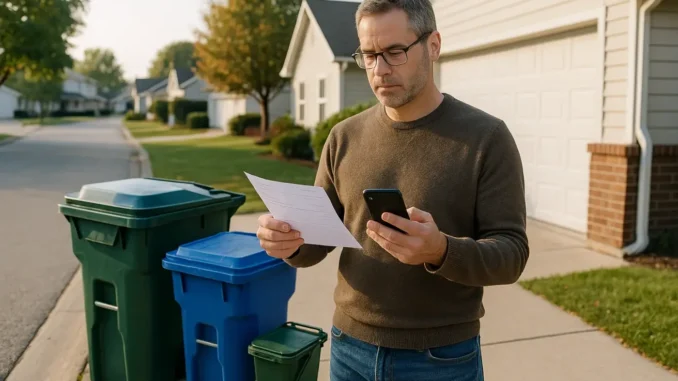
If you want to save money on garbage collection, start by reviewing the bill line by line. Look for items such as administrative fees, environmental fees, fuel surcharges, container rental, and taxes. Sometimes the base rate looks fair, but the extras push the total much higher.
If you see a charge you do not understand, call and ask what it covers. Keep it simple and polite. Many customer service reps can remove an unwanted add-on, explain a confusing fee, or tell you whether a smaller service level is available.
When to request a smaller bin or reduced service
If your bin is usually half empty, if you are paying for weekly pickup you do not need, or if your household has changed size, it may be time to ask for less service. Municipal programs often let residents switch cart sizes, and private companies may allow you to downgrade after a contract review.
Do not assume your current setup is locked in forever. A quick phone call could be enough to trim your monthly bill.
How to question extra charges
Ask for the exact reason behind each fee and whether it is required or optional. If a charge seems new, compare the amount to your past statements and note the date it started. A clear question like, “Can you remove this fee or move me to a lower service tier?” often gets better results than just asking why the bill went up.
Municipal trash service vs private haulers
If your city provides trash pickup, your pricing options may be limited, but there is still room to save. Some cities offer smaller carts, seasonal pickup plans, or reduced service for households that recycle well and generate less waste.
With private trash collection companies, shopping around can make a big difference. Rates, contract lengths, fuel charges, and pickup frequency can vary a lot, so it is worth comparing more than one quote if you have that freedom.
Can neighbors share service?
In some neighborhoods, especially with private haulers, nearby households may be able to share a larger container or split service if local rules allow it. This works best for people with similar trash volume and good communication. It is not an option everywhere, but when it is allowed, it can trim household waste costs without much hassle.
Simple habits that keep your savings going
Set up separate bins for trash, recycling, and compost so sorting becomes automatic. Keep a small bin under the sink for food scraps if you compost, and flatten cardboard as soon as you bring it inside. Tiny habits like these make your trash load smaller without turning your week into a recycling lecture.
Also, watch for seasonal changes. Holiday packaging, summer yard debris, and back-to-school clutter can all push your trash volume up. If you know those busy stretches are coming, you can plan ahead and avoid extra pickup charges.
Frequently asked questions
Can I ask my city for a smaller trash cart?
Yes, in many areas you can request a smaller bin or reduced service level. Contact your city sanitation department or utility office and ask what cart sizes are available.
Is composting worth it for saving money?
It often is if food scraps make up a big share of your garbage. Composting reduces what you throw away and can help you avoid overflowing your bin.
What hidden fees should I look for on my bill?
Common extras include fuel surcharges, container rental, environmental fees, and special pickup charges. Reviewing your bill every month makes it easier to spot new costs.
Should I switch private trash companies every year?
Not necessarily, but it is smart to compare rates when your contract renews or your price increases. Even one better quote can help you negotiate a lower rate.
A lower garbage bill usually starts with one small change, not a complete lifestyle overhaul. Pick one thing this week, whether that means shrinking your bin, composting food scraps, or calling about a strange fee, and you may be surprised how much easier it is to save money on garbage collection month after month.