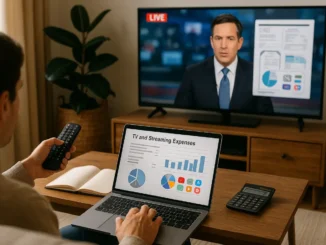
With Netflix and other streaming services raising prices again, it is fair to ask whether the monthly entertainment bill is still worth it. Add in cable or satellite, a few live TV apps, and maybe one or two just because subscriptions, and suddenly your TV budget looks more like a car payment. The good news is you can trim it without giving up everything you like.
Why Netflix and streaming costs feel heavier now
Streaming used to feel like the cheap alternative to cable. Today, most households are juggling several services at once, and the total can sneak past what many people used to pay for traditional TV. Netflix, Hulu, Paramount Plus, Max, Disney Plus, and YouTube TV each seem manageable on their own, but together they add up fast.
If you are asking yourself whether you really still need Netflix, you are already thinking the right way. The real question is not whether one service is good, but whether it is still giving you enough value for the price.
When it makes sense to ditch cable and cut cable costs
Cable and satellite still work for people who want a simple all-in-one package, especially if they watch live sports, local news, or channel surfing is part of the routine. But if you mostly watch on demand, cable can be expensive for very little use.
What you actually lose and what you keep
Cutting cable usually means losing the big channel bundles, set-top box fees, and some regional sports coverage. What you keep is access to internet-based streaming, on-demand movies and shows, and in many cases local channels through an antenna or live TV service.
For a lot of families, the savings are real. A cable package can run well over $100 a month once fees are included, while a lean streaming setup can stay much lower if you are selective.
How to replace cable with streaming and live TV options
If you want to lower your TV bill without feeling disconnected, the trick is to match the service to your viewing habits. Streaming is best when you know what you want to watch and do not mind a little planning.
For live channels, YouTube TV and similar live TV services can replace cable for people who want the familiar channel guide and live sports. They are not always cheap, though, so compare the monthly cost carefully before jumping in.
Watching live CBS without cable
If CBS is important to you, you do not necessarily need a cable subscription. Paramount Plus offers live access in many areas through your local CBS station, and it can be a smart alternative for people who mainly want that network plus a few on-demand shows. That said, local availability can vary, so it is worth checking before you sign up.
Are Netflix, Hulu, and Paramount Plus still worth it?
Netflix is still strong for originals and easy binge-watching, but price hikes have made it less of a no-brainer. If you are not watching it regularly, canceling for a month or two is one of the easiest ways to save money on streaming.
Hulu can be a good deal if you want current TV episodes and do not mind ads on the cheaper plan. Paramount Plus is appealing for CBS access, live sports, and a pretty decent back catalog. YouTube TV is convenient, but the price can move close to cable territory, which is why it deserves a hard look.
In other words, ask yourself not just what each service offers, but what you actually use. Unused subscriptions are basically money taking a nap.
Simple ways to save money on streaming every month
One of the best habits is rotating streaming services month to month. Watch the shows you want on one platform, cancel, then move to the next. That way you are paying for content you are actively using instead of funding a library you barely visit.
Choose ad-supported plans when the price difference is meaningful and the ads do not bother you too much. For many households, the cheaper tier is the easiest way to keep the same service without paying premium rates.
Use free trials strategically, but only if you set a reminder to cancel before the charge hits. Also check whether bundling makes sense. Some mobile plans, internet providers, and credit cards include streaming perks that can lower your total cost.
Sharing plans where allowed can help too, especially when the service offers extra members or household-based access. Just stay within the rules so you do not get locked out later.
Compare the full cost before you cut cable or keep streaming
The smartest move is to compare your actual monthly total, not just the headline price. A cheap streaming plan plus internet can still cost less than cable, but if you add multiple apps and a live TV bundle, the gap may shrink fast.
Make a quick list of what your family watches in a normal month. If most of it comes from two or three apps, a cable replacement may work well. If everyone wants something different every night, a more flexible mix of one live TV service and a couple of rotating subscriptions may be the better bargain.
FAQ about Netflix, cable, and saving on TV
Is Netflix still worth keeping?
It can be, but only if you use it enough to justify the cost. If you have gone weeks without opening it, canceling for a while is an easy win.
Can I really cut cable and still watch live TV?
Yes. Services like YouTube TV, Hulu + Live TV, and Paramount Plus can replace a lot of live-channel viewing, depending on what you want to watch.
What is the cheapest way to lower my TV bill?
Cancel unused services, switch to ad-supported plans, and rotate subscriptions instead of paying for every service at once.
Is streaming always cheaper than cable?
Not always. Streaming is cheaper when you keep it simple, but multiple subscriptions and a live TV bundle can get expensive fast.
If your entertainment budget feels bloated, start small by canceling one service you barely use, then build a setup around the shows and channels that actually matter. A little trimming can go a long way, and the best TV deal is the one that keeps you entertained without making your wallet flinch.