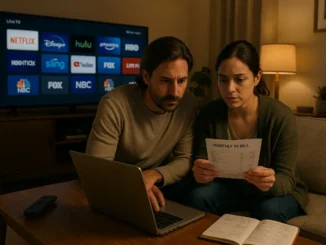

Streaming used to feel like the cheap alternative to cable. Then the bills started piling up, one subscription at a time, and suddenly your “small” entertainment budget looks a lot like an old cable bill with a better haircut. If you want to save money on streaming and lower your TV bill without giving up everything you enjoy, there are a few easy moves that can make a real difference.
The good news is you do not need to cancel every service and live in the dark. You just need to look at what you actually watch, what you barely touch, and where your money is quietly leaking out each month.
Why Streaming Costs Keep Going Up
Streaming started out simple, but now most households juggle multiple apps for movies, sports, live channels, and originals. Each service may seem affordable on its own, but together they can add up fast.
On top of that, many platforms have raised prices or split features into different tiers. A plan that once felt like a bargain can turn into just another recurring charge you forget to question.
When It Makes Sense to Cut Cable Costs
If you still pay for cable or satellite, the first question is simple: are you really using it enough to justify the cost? For some households, cable is still convenient because it includes local channels, sports, and live news in one package. For others, it is mostly expensive background noise.
What You Actually Lose and What You Keep
Cutting cable does not mean giving up TV altogether. You may lose the bundled convenience of channel surfing and a few specialty networks, but you can still keep many essentials through streaming and antenna options.
Local broadcast channels, on-demand movies, and plenty of popular shows are still available without a traditional cable box. If you mostly watch a handful of networks, you may not miss cable nearly as much as you think.
Simple Ways to Lower Your TV Bill
The easiest way to save money is to stop paying for services you are not using. It sounds obvious, but a lot of people keep subscriptions running out of habit, especially when the monthly charge is small enough to hide in plain sight.
Cancel or Downgrade Unused Subscriptions
Take a hard look at every streaming service in your home. If nobody has opened it in weeks, cancel it. If you still use it sometimes, check whether an ad-supported plan or lower tier would do the job for less.
Rotate Streaming Services Month to Month
One of the smartest ways to save money on streaming is to subscribe only when you need a service. Binge the shows you want, then pause the subscription and move to the next one.
This works especially well for services with deep libraries. Instead of paying for five apps every month, you can cycle through them and pay for one or two at a time.
Use Free Trials Strategically
Free trials can help you test a service before you commit, but only if you remember to cancel on time. Set a reminder the day you start the trial so you do not get stuck with a charge for something you barely used.
Free trials are best for short-term needs, like catching a new series or watching a live event. They are not a plan for long-term savings unless you stay organized.
Choose Ad-Supported Plans
Many services now offer cheaper plans with ads. If you do not mind a few commercial breaks, this can be an easy way to cut monthly costs without losing access to the content you want.
For a lot of people, the savings are worth a few extra minutes of commercials. It is not glamorous, but neither is paying more than you need to.
Share Plans Where Allowed
Some streaming services allow account sharing within a household, and that can lower the cost per person. Just make sure you follow the service rules, because policies have tightened in recent years.
If you split a plan with family members who actually use it, everyone can save a little without sacrificing much.
Bundle Only When It Saves Money
Bundles can help, but only if you would pay for those services anyway. A package deal sounds nice until you realize you are paying extra for a service you never open.
Before bundling, compare the total cost to buying the services separately. If the bundle is not clearly cheaper, skip it.
Streaming Services Worth a Fresh Look
Popular services like Netflix, Hulu, Paramount Plus, and YouTube TV all have their place, but price increases mean you should ask a simple question: do you still need it?
Netflix can still be worth it if you watch it often, but if you only use it once in a while, a lower tier or a break may make more sense. Hulu is useful for next-day TV and on-demand content, but it is worth comparing the ad-free and ad-supported plans before renewing.
Paramount Plus can be a smart option for viewers who want live access to CBS and a mix of sports, news, and on-demand shows. YouTube TV offers a strong live TV experience, but its price has climbed enough that it is worth comparing against cable and other live TV alternatives.
How to Watch Live TV Without Cable
If live channels are the main reason you keep cable, you still have options. Live TV streaming services like YouTube TV, Hulu + Live TV, and Sling TV can replace a cable package for many households at a lower monthly cost.
You can also use an antenna to get local broadcast channels for free in many areas. That is especially helpful if you want to watch CBS, NBC, ABC, or FOX without paying for a full cable subscription.
For CBS specifically, Paramount Plus may be enough for some viewers who want live access and on-demand content. It is not the same as a full cable lineup, but for certain households, it gets the job done at a lower price.
Compare Cable vs. Streaming Before You Commit
It helps to add up the true monthly cost of your TV setup. Include cable or satellite, internet, streaming apps, equipment fees, taxes, and any extras you forgot about. That total may surprise you.
Sometimes cable is still competitive if it is bundled with internet and you watch a lot of live TV. Other times, a mix of streaming services and an antenna makes far more sense. The only way to know is to compare the full bill, not just the headline price.
FAQ
Is cutting cable always cheaper?
Not always. If you need multiple live channels, sports networks, and premium add-ons, cable can still be competitive. For many people, though, streaming plus an antenna costs less.
What is the easiest way to save money on streaming?
Cancel the services you use least and rotate the rest month to month. That one move often cuts more waste than any other trick.
Can I still watch local channels without cable?
Yes. An antenna can pick up many local stations for free, and some streaming services offer live access to local and broadcast content depending on your area.
Are ad-supported plans worth it?
If you do not mind commercials, they can be a very good deal. The savings can add up fast over a year.
The biggest money-saving move is to treat TV like any other part of your budget and ask whether each service earns its spot every month. Once you start doing that, it becomes much easier to cut cable costs, trim streaming waste, and keep more money in your pocket without feeling like you gave up everything fun.