If your water bill has been creeping up for no obvious reason, you are not imagining it. Between longer showers, a running toilet, and a sprinkler system that seems to have a mind of its own, small leaks in your budget can add up fast. The good news is you can save water at home without turning life into a campout.
A few smart changes can help lower water bill costs while keeping your routine comfortable. From fixing hidden leaks to using appliances more efficiently, these practical steps can reduce water usage in a way that actually sticks.
1. Start With the Biggest Water Wasters
The fastest way to cut costs is to find where water is sneaking away every day. Toilets, faucets, showers, and outdoor irrigation are usually the biggest culprits in an average American home.
According to the EPA, household leaks can waste nearly 10,000 gallons of water each year. That is a lot of money quietly disappearing down the drain, which is rude behavior for a pipe.
Fix Small Leaks Before They Become Big Bills
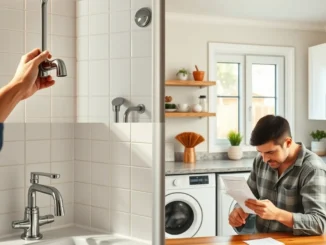
A dripping faucet may not look like much, but even a slow drip can waste gallons over time. A worn washer or loose connection is usually cheap to fix, often for less than a dinner delivery order.
If you hear water running when nobody is using it, do a quick walk-through of sinks, tubs, and appliances. Catching leaks early is one of the easiest ways to save water at home.
Check the Toilet Tank
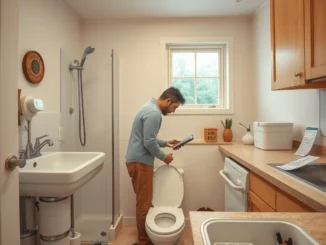
Toilets are a major source of hidden water waste because leaks are often silent. Put a little food coloring in the tank and wait 15 minutes. If the color shows up in the bowl, you have a leak that needs attention.
Replacing a flapper or fill valve is usually inexpensive and can save hundreds of gallons a month. That is a smart move whether you are watching your budget or just tired of hearing mysterious tank refills at 2 a.m.
2. Make Your Bathroom Use Less Water
The bathroom is where many homes burn through the most water, but it is also where small changes pay off quickly. You do not need to take freezing showers or brush your teeth like you are on a wilderness challenge.
Simple fixture upgrades and a few habit changes can reduce water usage without changing your comfort level much at all.
Install a Water-Efficient Showerhead
A low-flow showerhead can cut water use by about 2,700 gallons per year for a family of four, depending on shower habits. Many models cost under $30, and the water pressure is often better than people expect.
If your current shower feels weak, shop for WaterSense-labeled fixtures. They are designed to save water at home while still giving you a decent rinse, which is the whole point.
Trim Shower Time by a Few Minutes
You do not need to start singing your entire playlist in the shower to enjoy it. Cutting just two minutes from each shower can save a surprising amount of water and energy over the course of a month.
Try setting a timer or playing one short song as a cue. It is a simple habit, and it can lower water bill pressure without making anyone feel rushed.
3. Use Kitchen and Laundry Appliances Smarter
Appliances can help you save time, but only if you use them efficiently. Running partial loads or over-rinsing dishes wastes water and drives up utility costs faster than most people realize.
These changes are easy to adopt and work well for busy households that still want to keep things clean and comfortable.
Run Full Loads Only
Dishwashers and washing machines use nearly the same amount of water whether they are half full or packed. Waiting for a full load is one of the easiest ways to reduce water usage without adding much effort.
If you need to do laundry often, consider adjusting load size settings and choosing the right cycle. High-efficiency washers use less water, and newer models can save dozens of gallons per week.
Stop Pre-Rinsing Dishes
Modern dishwashers are made to handle normal food residue, so pre-rinsing is often unnecessary. Scrape plates into the trash or compost instead, then let the machine do the work.
This tiny switch can save water every single day. It also makes cleanup feel less like a chore and more like a reasonable part of being alive.
4. Tweak Outdoor Watering Habits
If you have a yard, your outdoor water use can be a bigger expense than you think. Sprinklers, hoses, and thirsty landscaping can cause your water bill to spike during warmer months.
A few adjustments here can make a real difference, especially in dry regions where every gallon counts.
Water Early and Less Often
Watering in the early morning helps reduce evaporation, so more of the water actually reaches your lawn or plants. That means you get better results without overwatering.
Deep, less frequent watering encourages stronger roots, which is better for the yard and better for your wallet. Your grass does not need a spa schedule.
Inspect Sprinklers and Hoses for Waste
Broken sprinkler heads can spray sidewalks, driveways, and your neighbor’s fence before anyone notices. A monthly check can catch leaks, clogs, and misaligned heads before they become expensive.
Also, use a hose nozzle with an automatic shutoff. It is a small upgrade, but it keeps water from running while you move between tasks like washing the car or watering plants.
5. Read Your Bill and Watch for Usage Spikes
Your water bill can reveal problems before you ever see a puddle. Many utilities provide daily or monthly usage trends, which can help you spot unusual spikes right away.
If your bill suddenly jumps, compare it to weather changes, guests in the house, or seasonal watering. A steady increase usually points to a leak or a habit that needs adjusting.
Look for Rate Tiers and Hidden Charges
Some water providers charge more once you cross a certain usage level. That means a small reduction in water use can sometimes save more than expected, especially during peak summer months.
Check your bill for sewer charges too, since those often rise with water usage. Understanding the full breakdown makes it easier to lower water bill costs in a meaningful way.
6. Replace Old Fixtures Over Time
If your home still has older fixtures, replacing them can be a long-term money saver. Toilets, faucets, and washing machines have become much more efficient over the years.
You do not need to replace everything at once. Start with the items that use the most water, then upgrade gradually as your budget allows.
Putting these habits together can make a real difference without making your home feel less comfortable. Start with one leak, one fixture, or one routine change, then build from there. A lower water bill usually comes from a dozen small wins, not one dramatic overhaul.
FAQ
How much can I save by fixing leaks?
It depends on the leak, but even a small toilet leak can waste hundreds of gallons a month. Fixing it may save a noticeable amount on both water and sewer charges.
Are low-flow showerheads really worth it?
Yes, especially if your household takes regular showers. They can cut water use without making the shower uncomfortable, and many pay for themselves quickly.
What is the easiest way to save water at home?
Check for leaks first. That is usually the fastest and cheapest place to start, followed by shorter showers and full laundry or dishwasher loads.
Should I water my lawn every day?
Usually no. Most lawns do better with deeper, less frequent watering, especially early in the morning.
Can my water bill go up because of a hidden leak?
Absolutely. A running toilet, damaged sprinkler line, or slow faucet drip can raise your bill before you notice any signs inside the house.