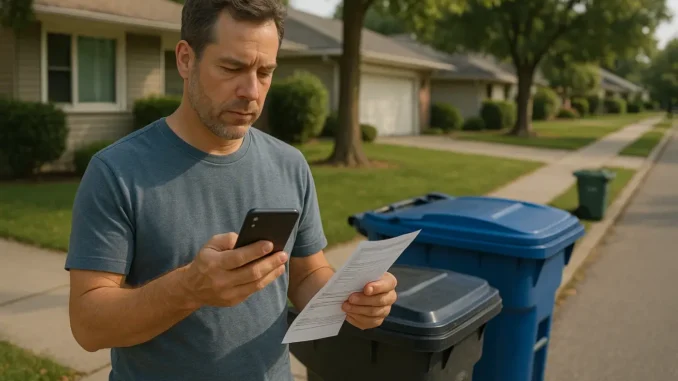
Trash and recycling costs have a sneaky way of creeping up, especially when service fees rise and you realize you are paying for more pickup than you actually need. If your garbage bill keeps climbing, there is good news: you can lower trash bill expenses without making life harder or turning your kitchen into a science experiment.
The trick is to look at your service the same way you would any other monthly bill. Whether your pickup comes from the city or a private hauler, small changes in bin size, sorting habits, and billing checks can help you save money on garbage collection and cut reduce waste costs over time.
Start by Checking What You Actually Pay For
Before changing anything, take a close look at your bill. Some households are paying for larger bins, extra pickups, fuel surcharges, cart fees, or recycling service they barely use. Municipal and private trash services often price plans by container size, frequency, and add-ons, so the details matter.
If your bill has lines that are hard to read, call customer service and ask for a plain-English breakdown. You are not being difficult. You are doing the same thing people do when they review their phone or internet bill, and that habit can save real money.
Choose the Right Bin Size for Your Household
One of the simplest ways to save is to downsize your trash bin if you are not filling it. Many cities and private companies offer different cart sizes, and moving from a larger bin to a smaller one can trim your monthly rate right away.
For a family that mostly recycles and composts, a smaller cart may be plenty. Even a modest savings of $5 to $15 a month adds up to $60 to $180 a year. That is enough to matter, especially when everything else seems to cost more lately.
Reduce Waste Costs by Cutting Trash at the Source
The best way to lower your garbage bill is to make less garbage. That sounds obvious, but a few small habits can make a big difference. Buy items with less packaging, use reusable bags and containers, and choose products that last longer.
Try keeping a small basket near the kitchen for items you can recycle instead of tossing right away. When the trash can fills up more slowly, you are less likely to need an oversized bin or extra pickup. That is money staying in your pocket where it belongs.
Recycle the Right Way
Recycling only helps if it is done correctly. Contaminated recycling, like greasy boxes or food-covered containers, can create problems and sometimes lead to higher trash volume when recyclables get rejected. Check your city or hauler guidelines so you know what belongs in the cart.
Flatten cardboard, rinse containers lightly, and keep loose items out of the wrong bin. Better recycling habits reduce the amount of trash you throw away, and they can help you avoid overage fees if your service charges for overflow or extra bags.
Composting Can Shrink Your Trash Fast
Food waste is a major reason garbage cans fill up so quickly. Composting banana peels, coffee grounds, eggshells, and yard waste can dramatically cut the amount you throw away each week. If your city offers curbside compost pickup, it may be worth signing up.
Even a simple backyard compost bin or countertop compost container can help. Less food waste in the trash means fewer bad smells, fewer bag changes, and a better shot at keeping your cart under control. It is one of the easiest ways to save money on garbage collection while helping the planet a little too.
Compare Municipal Trash Service and Private Haulers
Municipal trash service is often the easiest option, but it is not always the cheapest for every household. Some cities bundle service into utility bills, while others charge based on cart size or special pickups. If your local government allows more than one service level, compare the options carefully.
With private trash collection companies, competition can work in your favor. Ask about pricing for weekly versus every-other-week pickup, senior discounts, bundled recycling, and fees for bulky items. A quick comparison between haulers can uncover better rates or more flexible service without giving up convenience.
In some neighborhoods, neighbors are allowed to share a dumpster or reduce pickup frequency for a shared property. If local rules permit it, that can lower the total bill for everyone involved. It is not glamorous, but neither is overpaying for an almost empty bin.
How to Review Your Trash Bill and Question Extra Charges
If your bill has jumped, do not just shrug and pay it forever. Review the statement line by line and look for hidden fees, administrative charges, fuel surcharges, contamination fees, or charges for extra carts you do not use. Sometimes the fix is as simple as removing an add-on you never asked for.
Call and ask when you can request a smaller bin or reduced service. Many providers allow changes on a set schedule, such as once a month or once a quarter. If you are paying for weekly pickup but only fill the cart every two weeks, ask whether a lower service level is available.
When something looks off, question it. A polite call can be surprisingly effective, especially if you mention that you are comparing rates or considering a service change. The goal is not to argue, just to make sure you are not paying for more than you need.
Smart Trash Savings That Add Up Over Time
Real savings often come from stacking a few small changes instead of chasing one big fix. A smaller bin, better recycling, and fewer food scraps can work together to lower your monthly bill. Over a year, that can mean a noticeable difference in household spending.
For example, cutting $10 a month from trash service saves $120 a year. Add another $5 to $10 in avoided overage fees, and you are suddenly keeping enough money for a grocery run, a family dinner, or maybe just a little breathing room in the budget.
FAQ
Can I ask for a smaller trash bin?
Yes, in many areas you can request a smaller cart if you do not need the larger one. Check with your city or private hauler to see what size options are available and whether there is a fee for switching.
Does recycling really lower my trash bill?
It can, especially if your service is based on cart size or overflow charges. Recycling more means less garbage in the bin, which may help you avoid needing a larger or more expensive service plan.
Is composting worth it for small households?
Yes. Even one or two people can generate a surprising amount of food waste. Composting helps reduce trash volume and can make it easier to stick with a smaller bin.
What hidden fees should I watch for?
Look for fuel surcharges, environmental fees, container rental fees, extra pickup charges, and late fees. If something seems unclear, ask the provider to explain it in simple terms.
Lowering your trash and recycling costs is mostly about paying attention and making a few practical changes. Review your bill, use the right bin size, recycle correctly, and cut down on food waste wherever you can. Those steps may not sound exciting, but they work, and your monthly budget will notice.