If you are trying to lower your water bill, start with the good news: you do not need a complete home makeover to save water at home. A few small fixes, a couple of smarter purchases, and some everyday habit changes can reduce water usage faster than most people expect. And unlike some money-saving advice, this one does not require giving up every comfort in the house.
The trick is to focus on the biggest water users first. That usually means leaks, toilets, showers, laundry, and outdoor watering. Once you know where the gallons are going, you can cut waste without turning your home into a science project.
Fix leaks before they quietly drain your budget
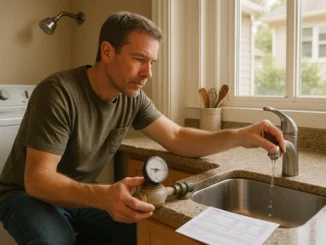
Leaks are the sneaky ones. A toilet that runs nonstop or a faucet that drips all night can waste hundreds or even thousands of gallons a month. The Environmental Protection Agency says household leaks are common, and many are easy to miss until the bill arrives and ruins your mood.
Start with the toilet because it is often the biggest offender. Put a few drops of food coloring in the tank and wait 10 minutes without flushing. If color shows up in the bowl, the flapper may need replacing, which is usually a low-cost repair that can save $70 to $200 a year depending on your local rates.
Then check under sinks, around the water heater, and behind appliances. A plumber visit may cost a bit upfront, but catching a slow leak early usually beats paying for wasted water month after month. That is one of those rare money decisions that feels annoying for about 20 minutes and smart for the rest of the year.
Use water-efficient appliances and fixtures
If your showerhead still feels like it was installed during the Clinton administration, it may be worth replacing. WaterSense-labeled showerheads and faucets are designed to use less water while still giving you decent pressure, and many cost around $20 to $50. They are not glamorous, but neither is overpaying the utility company.
Toilets can also make a huge difference. Older models may use 3 to 5 gallons per flush, while newer efficient toilets use far less. Replacing a dated toilet can save a family thousands of gallons a year, especially in a busy household where the bathroom sees a lot of action.
Dishwashers and washing machines matter too. If your appliances are old and inefficient, upgrading may lower both water and energy bills. Even if a replacement is not in the budget right now, using the eco or water-saving cycle can still help reduce water usage without much effort.
Change daily habits to save water at home
Some of the easiest savings come from simple behavior changes. Turn off the tap while brushing your teeth, shaving, or scrubbing dishes by hand. That alone can save several gallons a day, which adds up fast over a month.
Shorter showers are another easy win. Cutting a shower by two minutes can save a surprising amount of water, especially if multiple people in the home do it. You do not need to turn into a speed runner, just trim the extra water that goes down the drain while you are deciding what song to finish.
For laundry and dishes, wait until you have a full load before running the machine. Half-loads are basically paying full price for partial service. Small changes like these may not feel dramatic, but together they can lower your water bill in a real and lasting way.
Cut outdoor water waste without killing your yard
Outdoor use can be a major part of the monthly bill, especially in hot states or during dry months. Watering early in the morning reduces evaporation, so more water actually reaches the roots instead of disappearing into the air. It is a simple timing trick that can make your watering more effective without using extra gallons.
Check sprinkler heads for leaks, overspray, or broken nozzles. A misaligned sprinkler can waste a lot of water by watering the sidewalk, the driveway, or your neighbor’s mailbox, none of which need a drink. If you have a lawn, consider reducing watering frequency and using native plants where possible, since they often need less attention and less water.
Mulch also helps. A good layer around trees and flower beds holds moisture in the soil, which means less watering over time. It is an inexpensive move that can help your yard stay healthier while you keep more money in your pocket.
Read your water bill like a detective
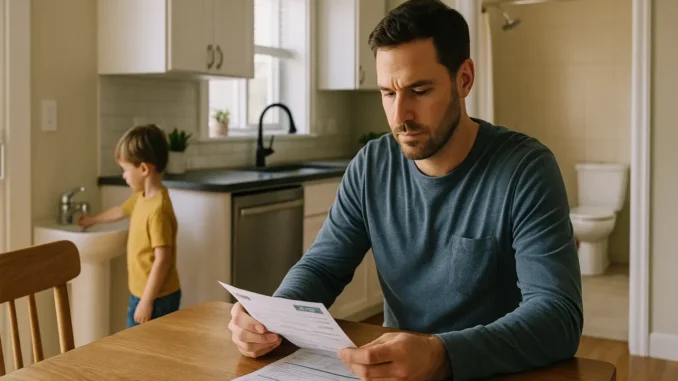
Your bill can tell you more than the total due. Many utilities in the United States show monthly usage, and some even offer online tools that let you compare current use with past months. If your bill suddenly jumps without a good reason, that is a clue worth investigating.
Look for winter usage patterns if you are trying to spot hidden leaks. Water use is often lower in colder months, so a higher-than-normal number can point to a running toilet or an underground leak. Catching the issue early can prevent a nasty surprise and help you reduce water usage before the next bill hits.
If your utility offers water alerts, sign up. A simple text or email warning can save you from paying for a problem you did not know existed. It is not exciting, but neither is handing over extra cash for water you never used.
FAQ: Water saving ideas that actually work
How much can I save by fixing a leak?
It depends on the leak, but even a small fix can save tens or hundreds of dollars a year. A running toilet is often one of the biggest opportunities for fast savings.
Do low-flow fixtures really help?
Yes. Water-efficient showerheads, faucets, and toilets can significantly cut household water use while still working well enough for normal daily life.
What is the easiest way to lower my water bill right away?
Check for toilet leaks, shorten showers, and make sure you are only running full loads in the dishwasher and washing machine. Those three steps alone can make a noticeable difference.
Should I worry about outdoor watering costs?
Absolutely, especially in warmer states. Outdoor watering can use a lot of water, so timing, maintenance, and smarter landscaping can help a lot.
How often should I check my water bill?
Once a month is a good habit, but it helps to glance at usage whenever the bill arrives. If the numbers jump unexpectedly, you can catch problems early and save water at home without guessing.
The best part about water savings is that you do not have to do everything at once. Start with the biggest waste, keep an eye on your bill, and build a few better habits into your routine. A little attention now can keep more money in your wallet all year long.