If your monthly utility bill keeps creeping up, smart water saving hacks might be the easiest place to start. A few small changes around the house can help you save water at home, reduce water usage, and lower your water bill without turning your life upside down.
The good news is that most of these fixes are simple, affordable, and realistic for busy households. A dripping faucet, an older toilet, or even a few habits in the kitchen can waste more water than you might think. That is money literally going down the drain, which is a pretty annoying way to fund your utility company.
Find and fix leaks before they add up
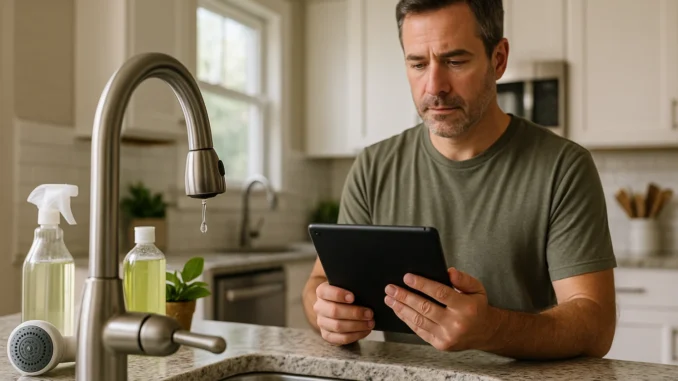
Leaks are one of the fastest ways to waste water, and many are sneaky. A toilet that runs quietly, a sink with a slow drip, or a loose outdoor spigot can waste hundreds of gallons over time.
According to the EPA, a household leak can waste nearly 10,000 gallons of water each year. That can translate into a real hit on your water bill, especially if your utility rates are higher than average.
Simple leak checks you can do today
Start by listening for running water when nothing is on. Then check your water meter before and after a two-hour period when no water is being used. If the reading changes, you likely have a leak somewhere.
Toilet leaks are especially common. Put a few drops of food coloring in the tank, wait 10 minutes, and see if the color appears in the bowl. If it does, the flapper may need replacing, and that repair often costs less than a takeout dinner.
Use efficient appliances to reduce water usage
Older appliances can use far more water than newer, efficient models. If your washing machine or dishwasher is over 10 years old, upgrading could help reduce water usage and save money over time.
Look for ENERGY STAR or WaterSense labels when shopping for replacements. Efficient washing machines, low-flow showerheads, and high-efficiency toilets are designed to use less water without making daily life harder.
Where the savings can show up
A low-flow showerhead can cut water use in the shower by about 40 percent. A modern toilet can save thousands of gallons a year compared with older models. If you are already planning a replacement, the water savings may help offset the cost sooner than expected.
Even if you are not buying new appliances right now, using the right settings helps. Run the dishwasher only when full, and choose a laundry cycle that matches the load size. Half-empty cycles are basically a luxury spa day for your utility bill.
Daily habits that help save water at home
Small behavior changes can make a bigger difference than many people expect. Turning off the tap while brushing your teeth, shaving, or scrubbing dishes may seem minor, but those minutes add up.
Try taking shorter showers, too. Cutting just two minutes from each shower can save gallons every day, especially in larger households where everyone seems to believe hot water is endless.
Kitchen and bathroom habits that work
Keep a pitcher of drinking water in the fridge instead of running the tap until it gets cold. Scrape plates before rinsing them, and use a basin when washing produce instead of letting water run nonstop.
In the bathroom, fix faucet drips quickly and avoid using the toilet as a trash can. It may feel convenient to flush one tissue, but your water bill does not appreciate the gesture.
Check your water bill for clues
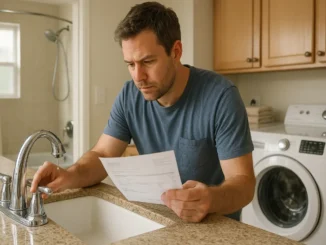
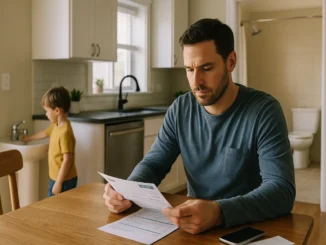
Your monthly bill can tell you a lot more than the total amount due. Look at your water usage trends from month to month and compare them with the same season last year. A sudden spike often points to a leak, a new habit, or a problem with an appliance.
Many local utilities in the United States offer online dashboards that show daily or monthly usage. If yours does, use it. Tracking usage makes it easier to spot changes early before a small problem turns into a big bill.
What to ask your utility
If your bill seems unusually high, call your water provider and ask whether they offer leak alerts, budget billing, or a usage review. Some utilities will help homeowners identify suspicious spikes or explain rate changes.
You can also ask whether your bill includes sewer charges based on water use. In many places, using less water also lowers the sewer portion of the bill, which means your savings can be bigger than they first appear.
Outdoor water savings matter too
Indoor use gets most of the attention, but outdoor watering can be a major expense in warmer months. Watering early in the morning helps reduce evaporation, so more of that water actually reaches your plants.
Use mulch around trees and garden beds to hold moisture longer. If you have a sprinkler system, check for broken heads and overspray. Watering the driveway is not a landscaping strategy, no matter how enthusiastic the sprinkler seems to be.
Make the savings stick
The best way to save water at home is to combine a few easy habits with a couple of smart upgrades. Fixing leaks, using efficient appliances, and paying attention to your bill can work together to reduce water usage without much effort.
Start with the lowest-cost changes first, then move on to bigger upgrades when the timing makes sense. A few practical tweaks now can protect your wallet month after month, and that is a pretty solid return for something as ordinary as water.
FAQ
What is the easiest way to lower my water bill?
Start by checking for leaks and shortening shower time. Those two steps often give homeowners the quickest savings.
How much can a leaky toilet cost me?
A running toilet can waste hundreds or even thousands of gallons a month, depending on the leak. That can raise both your water and sewer charges.
Do low-flow fixtures really work?
Yes. Modern low-flow showerheads and toilets are designed to use less water while still performing well. Many homeowners barely notice the difference.
Should I replace old appliances to save water?
If your washer, dishwasher, or toilet is older and inefficient, replacement can help over time. If they still work well, start with habits and repairs first.