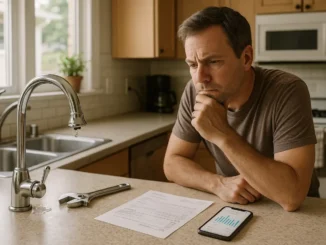
If you want to lower your water bill fast, start with the stuff that quietly drains money every day. A small leak, a long shower, or a half-loaded dishwasher can add up faster than most people realize. The good news is that you do not need a plumbing degree or a full home makeover to save water at home.
Most households can trim monthly costs with a few simple changes, and some of them take less than 10 minutes. A dripping faucet might seem harmless, but it can waste gallons over time and keep your bill higher than it should be. Think of this as the home version of finding loose cash in a jacket pocket, only the jacket is your utility bill.
Find and Fix Leaks Before They Waste More Money
Leaks are the fastest way to waste water without noticing it. The Environmental Protection Agency says household leaks can waste nearly 10,000 gallons of water each year, and many of those leaks are easy to miss.
Start with toilets, faucets, showerheads, under-sink pipes, and outdoor spigots. A toilet leak test is simple: add a few drops of food coloring to the tank, wait 10 to 15 minutes, and check if color appears in the bowl. If it does, you are losing water every time the toilet cycles.
What leaks can cost
A small faucet drip may waste hundreds of gallons a month. A worn toilet flapper can be even more expensive because the leak runs constantly and silently. Replacing a flapper, washer, or supply line often costs under $20, which is a pretty solid trade if it stops a much bigger bill.
Cut Water Use in the Bathroom
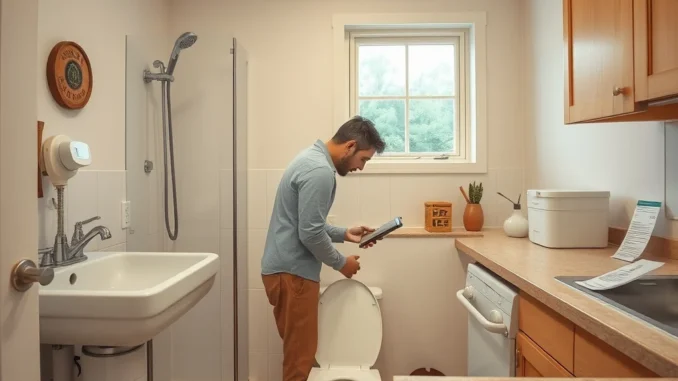
The bathroom is one of the easiest places to reduce water usage. Showers, toilets, and sinks all offer quick savings if you make a few habit changes. You do not have to turn shower time into a military drill, but shaving off a few minutes can make a real difference.
Install a low-flow showerhead if you have an older model. Many efficient showerheads use around 2 gallons per minute or less, compared with older ones that may use much more. That can save a family hundreds of gallons each month, depending on shower length and household size.
For toilets, consider using a toilet tank bank or adjusting the water level if it is too high. If the toilet is old and constantly running, replacing the flapper is usually a cheap fix. If the toilet is very outdated, upgrading to a WaterSense model can reduce water use for years to come.
Use Less Water in the Kitchen and Laundry Room
Kitchen habits matter more than people think. Running the dishwasher only when it is full is one of the easiest ways to save water at home. Modern dishwashers often use less water than handwashing, especially if you are letting the tap run while scrubbing every dish like you are preparing for a cooking show.
In the laundry room, wait for full loads before running the washer. If your machine is older, a high-efficiency model can cut water use significantly, though the upfront cost is not always tiny. If a replacement is not in the budget, choose shorter cycles and avoid extra rinse settings unless you truly need them.
Also check for hidden waste around the sink. A faucet aerator costs just a few dollars and can reduce flow without making your sink unusable. It is one of those small fixes that feels almost too simple to matter, until you see the savings.
Adjust Outdoor Watering and Yard Habits
Outdoor water use can be a big part of the bill, especially in warmer states or during dry months. Sprinklers, hoses, and car washing all use more water than most families realize. If you water the lawn at the wrong time of day, evaporation can eat up part of what you paid for.
Water early in the morning or later in the evening to reduce evaporation loss. Keep an eye on sprinkler heads and hose connections because leaks outdoors are easy to miss. A broken sprinkler can waste a surprising amount of water before anyone notices the soggy patch in the yard.
Choose native or drought-tolerant plants when possible, since they need less watering once established. You can also collect rainwater in a barrel for plants, where allowed by local rules. That is an easy way to reduce water usage without making your yard look like a desert escape scene.
Read Your Water Bill for Clues
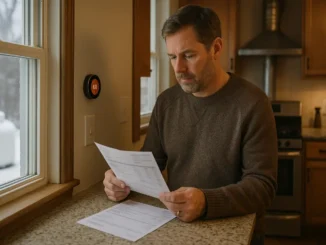
Your water bill can tell you more than the total due. Many utility bills show usage trends, and a sudden spike often points to a leak or a behavior change. If your bill is based on estimated reads, ask your utility whether a meter check is possible.
Compare this month with the same month last year if weather and household size are similar. That helps you spot patterns that are easy to miss. If your usage jumped for no clear reason, that is usually a good sign to inspect fixtures and appliances before the problem gets worse.
Small Daily Changes That Add Up
You do not have to change everything overnight. Turning off the tap while brushing your teeth, keeping shower times shorter, and using a broom instead of a hose for sidewalks can trim water waste in simple, painless ways. These are the kinds of habits that save money without making life annoying.
Teach the whole household a few easy rules. If everyone gets on board, the savings stack up faster. A family that cuts just a little from every room will usually see the difference on the next bill, and that is the kind of household win nobody complains about.
FAQ
How much can I save by fixing leaks?
It depends on the leak, but even a small fix can save gallons every day. A toilet flapper or dripping faucet repair may cut a noticeable chunk from your monthly bill.
Do low-flow showerheads really work?
Yes, especially when replacing an older showerhead. Many people do not notice much difference in comfort, but they do notice the lower water use.
Is it cheaper to run the dishwasher or wash by hand?
In many homes, a full dishwasher uses less water than handwashing. The key is running full loads and skipping the pre-rinse marathon.
What is the fastest way to lower my water bill this month?
Check for leaks, shorten showers, and make sure full loads are the rule for laundry and dishes. Those three changes often create the quickest savings.
Should I call a plumber for every leak?
No. Simple fixes like a worn washer, faucet aerator, or toilet flapper are often DIY jobs. If the leak is behind a wall, under a slab, or getting worse fast, call a pro sooner rather than later.
Start with the biggest water wasters, then move to the easy habit changes that fit your routine. If you fix one leak, trim one shower, and run one fewer half-load this week, you are already on the path to a lower water bill and a less wasteful home. That is usually how real savings begin, one boring little fix at a time.