If your monthly power bill keeps creeping up, you are not imagining things. A few everyday habits can quietly drive up costs, and the good news is that reducing your electricity bill at home does not have to mean sitting in the dark like a lighthouse keeper. Small changes in heating, cooling, lighting, and standby power can help lower electricity bill pressure fast, and most of them are simple enough to start today.
Start with the biggest electricity drains at home
The fastest way to reduce energy costs is to focus on the stuff that runs all the time. Heating and cooling usually take the biggest bite out of a household bill, followed by water heating, lighting, and electronics that stay plugged in all day. That means you do not need a complete home makeover to save electricity at home. You just need to target the biggest leaks first.
According to the U.S. Department of Energy, even small improvements can add up over a year. If you make your home a little less wasteful in several areas, the savings start stacking like receipts nobody asked for.
Watch for vampire power
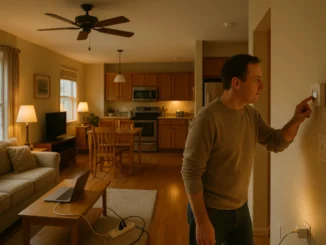
Standby power, also called vampire power, is the electricity used by devices that are turned off but still plugged in. Think TVs, game consoles, coffee makers, chargers, and printers. These devices may not seem like much, but together they can account for 5% to 10% of home electricity use.
Unplugging devices when they are not in use or using smart power strips can cut that waste. In some homes, this can save $100 or more a year. It is one of the easiest ways to lower electricity bill stress without changing your whole routine.
Adjust your thermostat for real savings
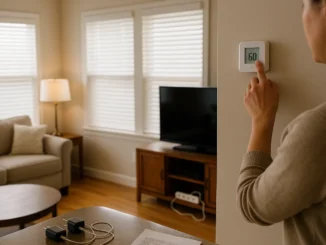
Your thermostat has more power over your bill than most people realize. In the summer, each degree you raise the temperature can trim cooling costs a little. In the winter, each degree you lower the heat can save money too. The U.S. Department of Energy says setting your thermostat back 7 to 10 degrees for 8 hours a day can save up to 10% a year on heating and cooling.
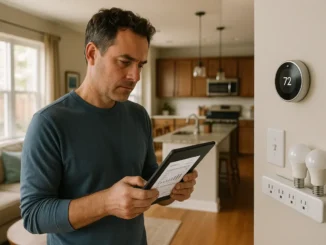
A smart thermostat can make this easier by adjusting the temperature automatically when you are asleep or away. If you prefer to keep it old school, just make a habit of nudging the temperature a few degrees when nobody is home. Your wallet will notice before your comfort does.
Use fans, shades, and simple habits
Fans do not lower the room temperature, but they make you feel cooler, which lets you use less air conditioning. Closing blinds during the hottest part of the day also helps keep rooms from heating up like a parked car in July. In cooler months, opening curtains during the day can bring in free heat from the sun.
These little habits are not glamorous, but they work. Think of them as the low-drama part of home efficiency.
Make lighting changes that actually pay off
Lighting is one of the easiest places to save electricity at home. If you still have incandescent bulbs, switching to LEDs can use about 75% less energy and last much longer. That means fewer trips to the store and fewer times standing on a chair trying to reach a ceiling fixture while questioning your life choices.
Just as important, turn off lights when you leave a room. It sounds obvious, but it is one of those habits that saves money with almost no effort. If you have lamps or fixtures in rooms that are rarely used, consider putting them on timers or motion sensors.
Choose energy-efficient appliances and settings
When it is time to replace an old appliance, look for ENERGY STAR rated models. These products use less electricity than standard versions, and over time that can make a real dent in utility costs. A new refrigerator, washer, or dishwasher may cost more up front, but the lower operating cost can help balance it out.
Even with the appliances you already own, the settings matter. Wash clothes in cold water when possible, run full loads, and use air-dry settings on the dishwasher. If you can avoid heating water or drying loads longer than needed, you are already making progress.
Pay attention to time-of-use billing
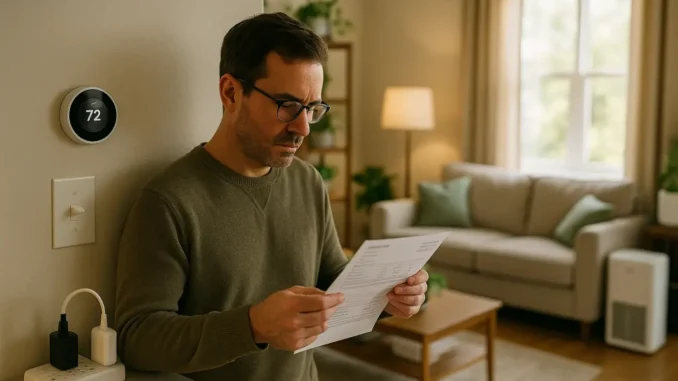
Some utilities charge more during peak hours, usually when demand is highest in the late afternoon and evening. If your plan has time-of-use billing, it is worth checking when rates go up and down. Running the dishwasher, laundry, or charging devices during off-peak hours can help reduce your electricity bill without changing what gets done.
If you are not sure whether you are on a time-of-use plan, look at your utility bill or call your provider. A few schedule tweaks can sometimes save enough to be worth the effort, especially if your home uses a lot of electricity in the evening.
Smart heating and cooling habits that save money
Replace HVAC filters on schedule so your system does not have to work harder than necessary. A clogged filter can make heating and cooling less efficient and more expensive. Also, keep vents clear and make sure doors and windows are sealed well.
If your home has drafty spots, weatherstripping and caulk are cheap fixes that can improve comfort and cut waste. A house that leaks air is basically paying extra to heat or cool the neighborhood.
FAQ
What is the easiest way to lower electricity bill costs fast?
Start with thermostat changes, LED bulbs, and unplugging standby devices. Those three moves are easy, inexpensive, and usually give the quickest payoff.
Do smart thermostats really save money?
They can, especially if you regularly adjust the temperature when you are away or asleep. The convenience helps people stay consistent, which is often where the real savings come from.
How much can LED bulbs save?
LED bulbs usually use about 75% less energy than incandescent bulbs and last much longer. Over time, that can save several dollars per bulb each year, depending on how often it is used.
Should I unplug everything at night?
You do not need to unplug every single thing, but it helps to disconnect devices that sit unused for long stretches. Smart power strips make this easier for TVs, gaming setups, and entertainment centers.
Is it worth paying attention to my utility rate plan?
Yes, especially if your provider uses time-of-use billing. Knowing when electricity costs more lets you shift heavy usage to cheaper hours and reduce energy costs without giving up convenience.
Pick two or three of these fixes this week and stick with them. A lower electricity bill usually comes from a handful of practical habits, not one magic trick, and once your home starts wasting less power, the savings can keep showing up month after month.