Electric bills have a funny way of showing up like a plot twist you did not ask for. If you have been trying to lower electricity bill costs without turning your home into a cave or unplugging everything you own, you are not alone. The good news is that you can reduce energy costs with a few small tweaks that barely change your routine, and some of them may save you more than you think.
According to the U.S. Department of Energy and ENERGY STAR, everyday habits and simple home adjustments can make a real dent in monthly utility bills. The best part is that most of these changes are low-effort. You are not being asked to sit in the dark and wear three sweaters in July.
1. Stop Paying for Standby Power
Many devices keep using electricity even when they are off. These so-called vampire devices include TVs, game consoles, coffee makers, phone chargers, and sound systems. That idle power can account for roughly 5% to 10% of a home’s electricity use, which adds up over a year.
Unplug the things you rarely use, or plug them into a smart power strip. A smart strip cuts power when the main device is off, so you can save electricity at home without thinking about it every day.
2. Adjust the Thermostat a Little
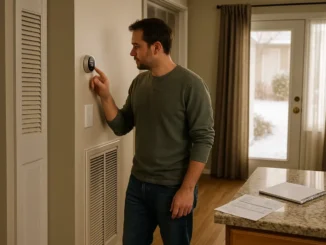
Heating and cooling usually take the biggest bite out of your electric bill. Even a small thermostat change can help. The Department of Energy says setting your thermostat 7 to 10 degrees higher in summer for eight hours a day can save up to 10% a year on cooling costs.
That does not mean you have to sweat through dinner. A simple adjustment when you are asleep or away can lower your electricity bill without changing your lifestyle much at all. If you have a programmable or smart thermostat, let it do the work for you.
Try this easy rule
In summer, aim a little warmer when you are out. In winter, try setting it a bit lower when you are bundled up or under a blanket. Small changes are easier to live with than dramatic ones, and your wallet will notice the difference.
3. Use Heating and Cooling More Wisely
You do not need a full home energy makeover to improve efficiency. Close blinds or curtains during hot afternoons to reduce heat gain. In colder months, keep them open during sunny hours to help warm the house naturally.
Also, check air filters regularly. A dirty filter makes your HVAC system work harder, which can waste electricity and raise costs. Swapping a filter is not glamorous, but neither is an inflated utility bill.
4. Switch to LED Lighting
Lighting is one of the easiest places to cut electric use. LED bulbs use at least 75% less energy than traditional incandescent bulbs and last much longer. That means fewer replacements and lower electric costs over time.
If replacing every bulb sounds annoying, start with the lights you use the most, like kitchen, bathroom, and porch fixtures. Once you notice the difference in your bill, the rest gets easier.
Change your lighting habits too
Turn off lights when leaving a room, even for a short time. It is a tiny habit, but it adds up. A brighter room is nice, but paying more for empty-room lighting is not exactly a thrill.
5. Know Your Utility Plan
Some homes are on time-of-use billing, which means electricity costs more during peak hours. Those hours are often in the late afternoon and evening when demand is high. If your utility charges more at certain times, running the dishwasher or laundry off-peak can help you reduce energy costs.
Check your bill or utility website to see whether you have peak pricing. If you do, shift flexible tasks to cheaper hours. You may not save a fortune overnight, but it is one of the smartest ways to lower electricity bill pressure without changing your overall routine.
6. Use Energy-Efficient Appliances the Smart Way
If you already own ENERGY STAR appliances, you are ahead of the game. They use less power than standard models, especially for refrigerators, washers, dryers, and dishwashers. But how you use them matters too.
Run full loads when possible, use cold water for laundry, and choose air-dry settings on the dishwasher. These small habits help save electricity at home while keeping your routine basically the same.
7. Make the Fridge Work Less
Your refrigerator runs all day, so a few small adjustments can help. Keep it at a reasonable temperature, avoid stuffing it so full that air cannot circulate, and make sure the door seals tightly. If the seal is worn out, cold air escapes and your fridge has to work harder.
Also, try not to stand there staring into the fridge like it owes you answers. Every second the door is open, cold air leaves and energy use goes up.
8. Use Small Appliances Instead of Big Ones When Practical
For quick meals, an air fryer, toaster oven, or microwave often uses less electricity than a full-size oven. That does not mean you need to give up baking. It just means you can choose the smaller appliance when it makes sense.
This is one of those simple swaps that can reduce energy costs without feeling like a sacrifice. If dinner is a baked potato and leftovers, the microwave probably deserves the win.
9. Seal Easy Drafts Around the House
Air leaks around windows and doors can make heating and cooling less efficient. Weatherstripping and caulk are cheap fixes that can help keep conditioned air inside where it belongs. Even small leaks can make your HVAC system run longer than necessary.
You do not need a renovation crew to get started. Focus on the obvious trouble spots first, especially older windows, exterior doors, and attic access points.
10. Track Your Usage Once a Month
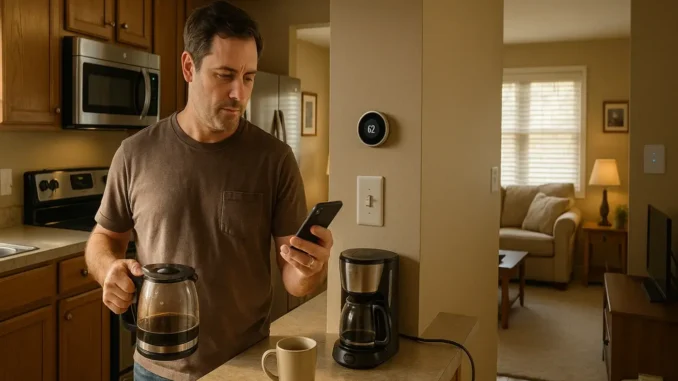
Most people only look at the total bill, but your usage data can tell you a lot more. Many utilities offer apps or online dashboards that show when and how much electricity you are using. That makes it easier to spot waste and change habits that are costing you money.
Even a monthly check-in can reveal patterns, like a spike from a space heater or an old appliance. When you know what is driving usage, it gets much easier to lower electricity bill costs with confidence.
FAQ
What is the fastest way to save on electric bills?
Reducing standby power, adjusting the thermostat, and switching to LED bulbs usually give the quickest results with very little effort.
Do smart thermostats really save money?
Yes, especially if you use the scheduling features. They help manage heating and cooling automatically, which can cut wasted energy.
Are LED bulbs worth the cost?
Usually, yes. They use much less electricity and last much longer than older bulbs, so the savings tend to add up.
How do I know if I have time-of-use billing?
Check your electric bill or log in to your utility account. If rates change depending on the time of day, you are probably on a time-of-use plan.
Can small changes really make a difference?
Absolutely. You do not need a major lifestyle overhaul to save electricity at home. A handful of simple changes can lower monthly costs and make your home more efficient all year long.