If your electricity bill feels like it showed up with a personal grudge, you are not alone. The good news is you do not need a full home makeover to save money on electricity. A few smart changes can lower your electricity bill fast, and many of them are simple enough to do this weekend.
With energy prices still putting pressure on U.S. households, the trick is to focus on the habits and devices that quietly drain power every day. Start there, and you can reduce energy costs without turning your home into a cave.
Cut Waste from Standby Power and Daily Habits
One of the easiest ways to save electricity at home is to stop paying for power you are not really using. A lot of devices keep drawing energy even when they are turned off. These so-called vampire devices may account for 5% to 10% of household electricity use, which is enough to matter when bills are high.
Unplug the Sneaky Stuff
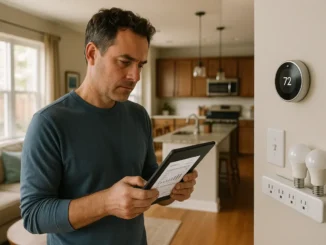
Phone chargers, gaming consoles, coffee makers, TVs, and printers are common energy vampires. If something stays plugged in all day and does not need constant power, unplug it or use a smart power strip. That small habit can trim a few dollars a month and keep waste from piling up.
Rethink Screens and Chargers
It is also worth checking how many devices are left on standby overnight. A TV that sleeps all night may not seem like a big deal, but the habit adds up across a month. And no, your coffee maker does not need to glow like a runway sign at 2 a.m.
Adjust Thermostat Settings to Save Electricity at Home
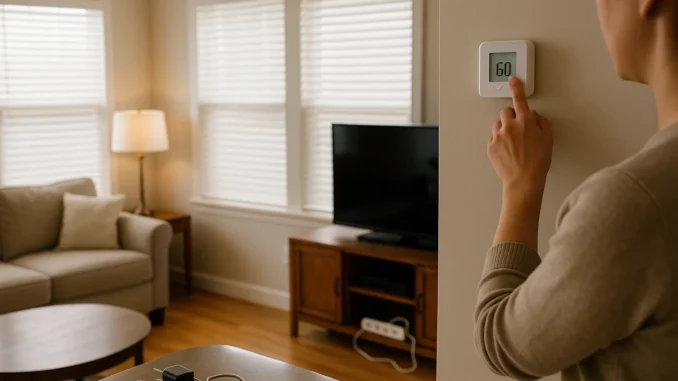
Heating and cooling usually take the biggest bite out of a home energy bill, so this is where many families can find real savings. The U.S. Department of Energy says you can save as much as 10% a year by turning your thermostat back 7 to 10 degrees for eight hours a day. That is a simple fix with a real payoff.
Small Changes Add Up
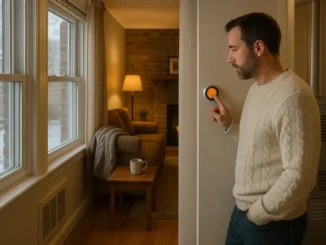
In summer, raise the thermostat a few degrees when you are out. In winter, lower it slightly and wear a sweater before cranking the heat. Even a 1 degree adjustment for much of the day can help reduce energy costs over time.
Use Fans, Shades, and Layers
Ceiling fans do not cool a room the way an air conditioner does, but they make you feel cooler so you can keep the thermostat higher. In sunny months, close blinds during the hottest part of the day. In cold weather, use curtains to hold in heat and seal drafts around windows and doors.
Make Lighting and Appliances Work for You
Lighting has improved a lot, and if you are still using old bulbs, this is an easy upgrade. LED bulbs use about 75% less energy than traditional incandescent bulbs and last much longer. That means fewer replacements and a lower electricity bill month after month.
Switch to LEDs
Start with the lights you use most, like kitchen, living room, and porch fixtures. Replacing just a handful of bulbs can save around $50 to $100 per year depending on how often you use them. It is not glamorous, but neither is overpaying for light.
Choose Efficient Appliances
When it is time to replace a refrigerator, washer, dryer, or dishwasher, look for ENERGY STAR models. Efficient appliances cost less to run, and the savings can keep going for years. A newer fridge or washing machine may not seem exciting, but neither does throwing money into an outdated power hog.
Understand Time-of-Use Billing Before It Bites You
Some utilities charge more during peak hours, usually late afternoon and early evening. If your provider offers time-of-use billing, the timing of your chores can affect your bill. That means laundry, dishwashing, and even charging an electric vehicle may cost less if done at off-peak times.
Shift Big Tasks
Run major appliances early in the morning, late at night, or whenever your utility charges less. If you can move a few high-use tasks out of peak hours, you may save money without changing your lifestyle much at all. The goal is not to become a spreadsheet wizard, just a little smarter about when power is cheapest.
Check Your Utility Plan
Look at your electric provider’s rate schedule or monthly bill details. If you are not sure whether your home is on a time-of-use plan, call the utility and ask. Knowing the rules can help you avoid surprise charges and make better choices.
Quick Habits That Help Lower Electricity Bills
There are plenty of smaller moves that help too. Use natural light during the day, wash clothes in cold water, clean refrigerator coils, and keep vents clear so your heating and cooling system does not have to work harder than necessary. None of these changes feels dramatic on its own, but together they can make a noticeable dent in your bill.
The best part is that many of these habits cost little or nothing to try. If you want to save electricity at home, start with the low-hanging fruit first. That way you get the biggest payoff without turning your house into an off-grid science project.
FAQ
What is the fastest way to lower my electricity bill?
Start by adjusting your thermostat, unplugging standby devices, and switching to LED bulbs. Those three changes are low effort and can produce savings quickly.
Do vampire devices really cost that much?
Yes, they can. Standby power may use 5% to 10% of home electricity in some households, especially if you have a lot of electronics plugged in around the clock.
Are smart thermostats worth it?
They can be, especially if you forget to adjust the temperature when you leave home. A smart thermostat helps automate savings and can make heating and cooling more efficient.
Which light bulbs save the most money?
LED bulbs usually save the most because they use far less electricity and last much longer than incandescent bulbs. The upfront cost is a little higher, but the long-term savings are usually worth it.
How do I know if time-of-use billing affects me?
Check your electric bill or your utility account online. If pricing changes based on the time of day, shifting appliance use away from peak hours can help you lower electricity bill costs.
Pick two or three of these tips and try them this month, then watch your bill for the difference. A lower electric bill usually comes from steady habits, not one magic fix, and the sooner you start trimming waste, the sooner your home stops leaking money every day.