If you have opened your electric bill and stared at it like it was a prank, you are not alone. The good news is you do not need a full home makeover to lower your monthly power bill. A few smart changes around the house can help you reduce energy costs without living in the dark or sweating through dinner.
Electricity prices have been creeping up in many parts of the U.S., and even small habits can add up fast. The trick is to stop wasting power in places you barely notice, then make a few easy swaps that keep your home comfortable and your bill a little less rude.
Start with the biggest energy users
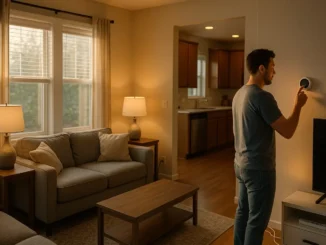
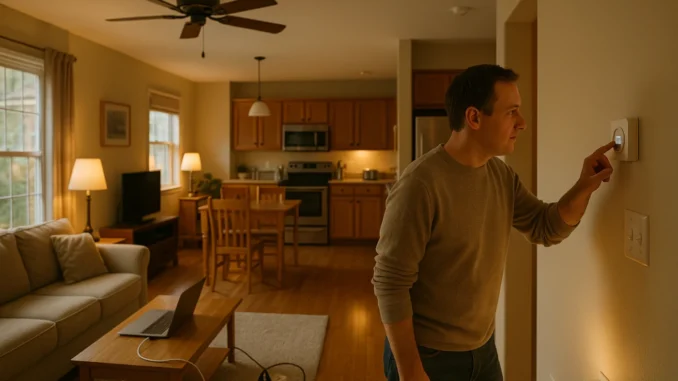
Heating and cooling usually take the biggest bite out of a home energy budget. That means your thermostat is one of the fastest places to make a difference. The U.S. Department of Energy says setting your thermostat back 7 to 10 degrees for 8 hours a day can save as much as 10% a year on heating and cooling costs.
In summer, try setting the thermostat a little higher when you are home and even higher when you are away. In winter, go a bit lower and wear layers before you reach for the heat like it is a magic button. Even a 1-degree change can trim usage over time.
Use fans the smart way
Ceiling fans do not cool the air, but they help you feel cooler, which lets you raise the thermostat a bit. That small adjustment can help you save electricity at home without changing much about your daily routine. Just remember to turn fans off when you leave the room, since they cool people, not empty space.
Cut vampire power from standby devices
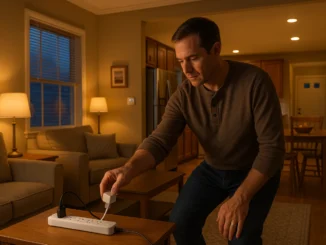
Many homes waste energy on standby power, also called vampire power. TVs, game consoles, chargers, coffee makers, printers, and streaming boxes keep sipping electricity even when they are off. According to Energy Star, standby power can account for a noticeable share of home energy use, and unplugging or using smart power strips can cut that waste.
A smart power strip is an easy fix because it shuts off power to devices that do not need to run 24/7. If you have a home office or entertainment setup with several gadgets, this one change can help reduce energy costs without much effort. It is one of those boring money savers that works exactly because it is boring.
Switch to LED lighting and use it better
Lighting is a simple place to save. Replacing old incandescent bulbs with LEDs can use up to 75% less energy and last much longer, which means fewer trips to the store and fewer burned-out bulbs at the worst possible time.
The real savings show up when you also change how you use lights. Turn them off when you leave a room, use daylight whenever possible, and avoid lighting the whole house like a grocery store parking lot. If you swap just five of your most used bulbs, you could save around $40 to $75 per year, depending on your rates and how often the lights are on.
Choose energy-efficient appliances when it matters
If an appliance is old and hungry for power, replacing it with an energy-efficient model can make a real dent in your electric bill. Look for the Energy Star label on refrigerators, dishwashers, washers, dryers, and room air conditioners. These products are designed to use less electricity while still getting the job done.
That said, do not rush out and replace everything just to chase savings. A newer appliance usually makes sense when the old one is already near the end of its life. The goal is to buy smarter, not turn a simple savings plan into a shopping spree with a fancy sticker on it.
Pay attention to time-of-use billing
Some utility companies charge more during peak hours, often in the late afternoon and early evening. This is called time-of-use billing, and if your utility uses it, shifting a few chores to cheaper hours can help lower electricity bill totals.
Run the dishwasher, laundry, or even charge devices during off-peak times if your plan allows it. The savings may not be huge on every single task, but over a month they can add up. Check your utility statement or customer portal to see whether your rate changes by time of day.
Make heating and cooling work less hard
Your HVAC system uses less power when your home holds temperature better. Sealing drafts around windows and doors, closing blinds during hot afternoons, and changing air filters regularly can all help. A dirty filter makes your system work harder than it needs to, which is bad for both comfort and your wallet.
Simple insulation fixes can also help keep conditioned air where it belongs. If one room is always too hot or too cold, that may be a sign of air leaks or poor airflow. Fixing those issues can help you save electricity at home year-round instead of only during the hottest or coldest months.
Small habits that keep paying off
Little habits matter more than people think. Wash clothes in cold water when possible, air-dry a few loads each week, and cook with a microwave, toaster oven, or air fryer when it makes sense. These steps use less electricity than firing up a full-sized oven for a small meal.
It also helps to do a quick home energy check every few months. Look for chargers left plugged in, lights burning in empty rooms, and settings on appliances that could be trimmed down. The best savings plan is the one you can actually keep doing without thinking about it every five minutes.
FAQ: Lowering your monthly power bill
What is the fastest way to lower my power bill?
Adjusting your thermostat and cutting standby power are usually the fastest wins. Those changes are simple, do not cost much, and can start saving money right away.
Do LED bulbs really save that much?
Yes. LEDs use far less energy than incandescent bulbs and last much longer, so the savings come from both lower electricity use and fewer replacements.
How much can a smart thermostat help?
A smart thermostat can help if it makes it easier to set back temperatures automatically. If it keeps you from heating or cooling an empty house, it can save meaningful money over a year.
Is unplugging devices really worth it?
It can be, especially for setups with lots of electronics. Standby power may look tiny one device at a time, but together it adds up.
The easiest way to keep your bill under control is to focus on the habits that waste power every day. Start with one or two changes, watch your next statement, and build from there. Small moves may not feel dramatic, but they are often the ones that quietly save the most money.