Posted February 18, 2026
If your electricity bill keeps creeping up and you are not sure why, you are not alone. A lot of homes waste power in plain sight, and the worst part is that many of the biggest energy drains keep running even when nobody is using them. The good news is that you can lower your electricity bill without turning your house into a dark cave or living like it is 1952.
Small changes can add up fast. The U.S. Department of Energy notes that simple habit changes, better settings, and a few smart upgrades can help you save electricity at home and reduce energy costs in a way you actually notice on the next bill.
Standby Power: The Sneaky Bill Booster
One of the biggest electricity wasters in any home is standby power, also called vampire power. These are the little energy drains from devices that are “off” but still plugged in, like TVs, cable boxes, game consoles, coffee makers, chargers, and printers.
Individually, they do not seem like much. Together, they can account for 5% to 10% of a home’s electricity use. That means you could be paying for power nobody is even enjoying. Rude, honestly.
How to fix it
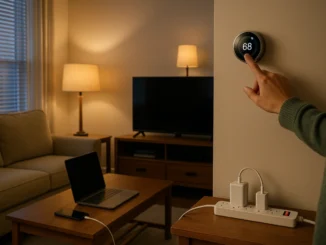
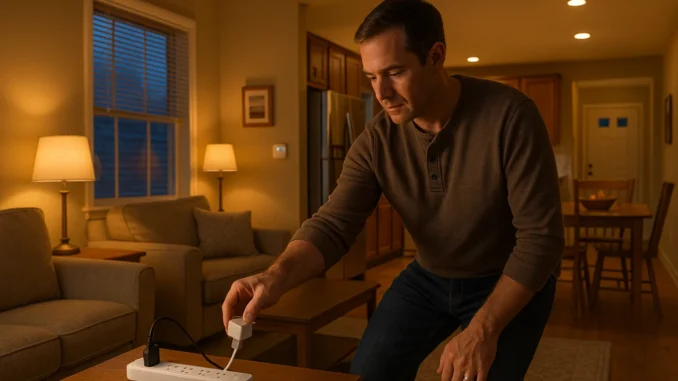
Use smart power strips for entertainment centers and office setups. When you turn off the main device, the strip cuts power to the extras automatically. Unplug chargers when they are not in use, and if a gadget sits idle for weeks, keep it off the outlet completely.
If you want to save electricity at home without much effort, this is one of the easiest places to start. It is not glamorous, but neither is wasting money.
Heating and Cooling: The Biggest Energy User in Most Homes
Heating and cooling usually take the biggest bite out of your bill. In many U.S. homes, HVAC can account for nearly half of total electricity use, especially during hot summers and cold winters. That makes thermostat habits one of the fastest ways to reduce energy costs.
Setting your thermostat a little higher in summer and a little lower in winter can save real money. Energy Star says you may save around 10% a year by adjusting the thermostat 7 to 10 degrees for eight hours a day. A ceiling fan can also help you feel cooler without cranking the air conditioner harder.
How to fix it
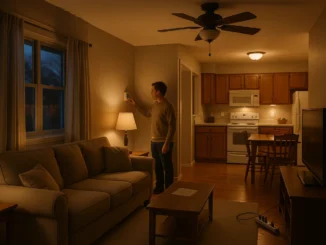
Try setting the thermostat to 78 degrees when you are home in the summer and a bit higher when you are away. In winter, aim for about 68 degrees when you are home and lower it at night or when nobody is there. If that sounds a little uncomfortable at first, give it a week. Your body adjusts faster than you think.
Also, replace dirty filters on schedule. A clogged filter makes your system work harder, which means more electricity used for the same result. Seal drafts around windows and doors, and keep vents clear so air can move properly.
Lighting: Easy Savings with a Simple Switch
Old-style incandescent bulbs waste a lot of electricity by turning most of it into heat instead of light. That is not ideal when you are already paying enough to run the rest of the house. LEDs use about 75% less energy and can last much longer than traditional bulbs.
This is one of the easiest ways to lower your electricity bill because the fix is simple and immediate. You do not need a big project. You just need to swap the bulbs and use them more wisely.
How to fix it
Replace the most-used lights first, especially in kitchens, living rooms, bathrooms, and porch fixtures. Turn lights off when you leave a room, and use daylight whenever possible. If you have lamps or overhead lights on for hours each day, that is where LED savings really start to show up.
Motion sensors and dimmers can also help reduce energy use in hallways, closets, and outdoor areas. Little habits matter here more than people think.
Appliances That Waste Electricity Without Helping Much
Appliances are supposed to make life easier, but some of them work against your wallet when they are old or poorly maintained. Refrigerators, washers, dryers, dishwashers, and water heaters can all become bigger electricity wasters than they need to be.
If you have an older fridge in the garage or basement, it may be using far more power than a newer Energy Star model. The same goes for aging washers and dryers that take longer cycles or use more hot water. Sometimes the machine is still working fine, but it is quietly chewing through your budget.
How to fix it
Wash clothes in cold water when you can, run full loads, and clean the dryer lint filter every time. Air-dry a few items each week if that works for you. For the dishwasher, use the eco setting and avoid running it half full.
If you are replacing an appliance, look for Energy Star certification. Efficient models often cost less to run over time, which helps you save electricity at home year after year.
Time-of-Use Billing: The Timing of Your Power Matters
Some utility companies charge different rates depending on the time of day. This is called time-of-use billing, and it can surprise people who do a lot of laundry, cooking, or charging during peak hours. If your utility has this setup, using power at the wrong time can make your bill climb even if your usage stays the same.
Peak rates are often in the late afternoon and evening when demand is highest. That means running the dishwasher at 7 p.m. may cost more than running it at 10 p.m. depending on your plan.
How to fix it
Check your utility bill or account for peak pricing hours. Then shift energy-heavy tasks like laundry, dishwashing, and EV charging to off-peak times if possible. A little schedule change can sometimes shave 10% to 20% off the cost of those activities, especially if your utility has steep peak rates.
If you are not sure whether your plan includes time-of-use pricing, a quick call to your utility can save you a lot of guessing.
Small Habits That Help Lower Electricity Bills
Not every fix requires a new appliance or fancy gadget. Sometimes the cheapest way to reduce energy costs is to use what you already own more carefully. Close blinds during hot afternoons, keep the refrigerator door closed, and avoid cooling or heating empty rooms for no reason.
You can also make a habit of checking your bill each month. If it suddenly jumps, that often means one of your biggest electricity wasters is working harder than it should. Catching it early is half the battle.
FAQ
What is the biggest electricity waster in most homes?
Heating and cooling are usually the biggest energy users, especially if your thermostat settings are too extreme or your system needs maintenance.
Do unplugged devices really save that much money?
Yes, especially when you have several devices on standby all day. One item may not matter much, but a whole house full of vampire devices can add up.
Are LED bulbs worth the switch?
Yes. LEDs use much less electricity than incandescent bulbs and last far longer, so they can save money in both energy and replacement costs.
How can I tell if my utility uses time-of-use billing?
Check your bill for different rate periods or contact your utility provider. If peak and off-peak rates are listed, timing your usage matters.
What is the fastest way to lower my electricity bill?
Start with thermostat settings, standby power, and lighting. Those three changes are easy, cheap, and often show results quickly.
If you want to cut costs without making life harder, start with the biggest electricity wasters first. A few smart tweaks, better habits, and a closer look at your utility plan can help you save electricity at home and keep more of your money where it belongs.