If your electric bill has been creeping up, you are not imagining it. The good news is that you do not need a giant home makeover to lower your electricity bill. A few smart habits and small changes can help you save electricity at home right away, and some of them are so simple you can do them before dinner.
Electricity costs have a funny way of sneaking up on people. One month the bill is fine, and the next month it feels like your toaster applied for a raise. Fortunately, there are practical ways to reduce energy costs without turning your home into a cave or living in a sweater indoors all summer.
Start with the biggest energy hogs
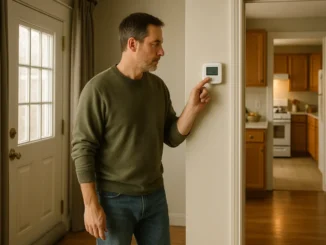
Heating and cooling usually take the biggest bite out of a home energy budget. According to the U.S. Department of Energy, adjusting your thermostat by just a few degrees can make a real difference over time. In the summer, setting your thermostat a little higher when you are home and even higher when you are away can trim your cooling bill.
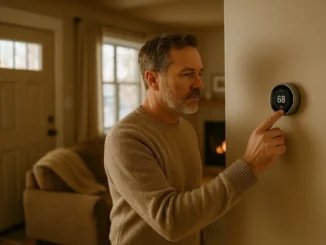
In winter, the same idea works in reverse. If you lower the heat by 7 to 10 degrees for eight hours a day, you may save up to 10 percent a year on heating and cooling. That is not pocket change, especially when you are trying to keep more money in your checking account and less in the utility company’s.
Thermostat habits that actually work
Use a programmable or smart thermostat if you have one, but even a manual thermostat can help. Set it and forget it during the day, then adjust it when you are asleep or away. Fans can also help you feel cooler in summer, which means you may be able to bump the thermostat up a notch without feeling miserable.
Also check your vents, filters, and window seals. A dirty HVAC filter or leaky window can make your system work harder than it should, and that usually shows up on the bill.
Cut standby power from vampire devices
Many devices keep using electricity even when they are “off.” These vampire devices include TVs, game consoles, coffee makers, chargers, and streaming boxes. The Department of Energy says standby power can account for a surprising chunk of a home’s electricity use, sometimes 5 to 10 percent.
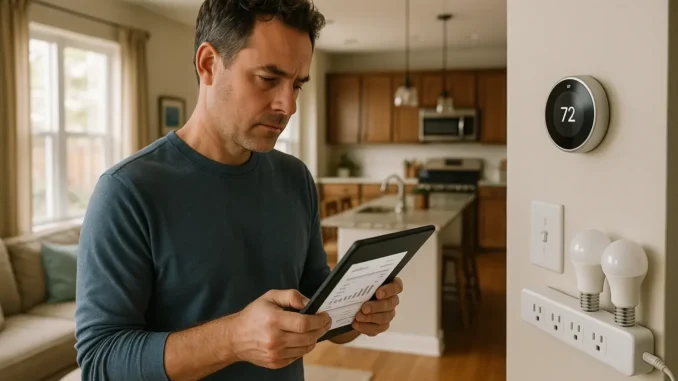
That does not mean you need to unplug everything every day like you are preparing for a camping trip. It does mean you should focus on the worst offenders. Use power strips for entertainment centers and office setups, then switch the strip off when you are done.
Easy places to unplug and save
Phone chargers left in the wall, printers that sit idle all week, and spare appliances in the kitchen are easy wins. If a device does not need to stay on, turn it off at the strip or unplug it. A few dollars here and there may not sound exciting, but over a year those tiny leaks add up.
Switch to LED lighting and use it wisely
Lighting is one of the easiest areas to save electricity at home. If you still have old incandescent bulbs, replacing them with LEDs can cut lighting energy use by about 75 percent and last far longer. That means fewer bulb changes and less money burned, literally.
Just as important as the bulb itself is how you use it. Turn off lights when you leave a room, and use task lighting instead of lighting the whole house when you only need one area. Natural daylight is free, and unlike your utility company, it never sends a bill.
Know your rate plan and time-of-use billing
Some electric companies charge more during certain hours, often late afternoon and early evening when demand is highest. If you have a time-of-use plan, you can reduce energy costs by shifting chores like laundry, dishwashing, and charging devices to cheaper hours.
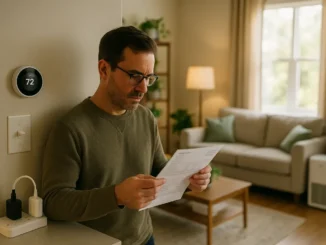
Even if you are not on a time-of-use plan now, it is worth checking your bill or calling your provider. Some households save money by choosing the right rate plan, especially if they can avoid heavy energy use during peak times. Small timing changes can lead to noticeable savings over a month.
Choose energy-efficient appliances when it makes sense
You do not need to replace every appliance tomorrow, but when something finally gives up, energy efficiency should be part of the decision. ENERGY STAR certified appliances use less power than standard models, which can lower your electricity bill over the long haul.
That matters most for items that run often, like refrigerators, washers, dryers, and window air conditioners. A newer efficient model may cost more upfront, but the lower operating cost can make up for it. Think of it as buying a quieter monthly bill instead of just a shinier appliance.
Use hot water more carefully
Water heating is another hidden cost in many homes. Washing clothes in cold water, taking slightly shorter showers, and lowering the water heater temperature to 120 degrees Fahrenheit can save money without much hassle. Most people do not need scalding water to wash a T-shirt.
If your water heater is older, adding an insulating blanket or pipe insulation may help reduce heat loss. These fixes are inexpensive and can be worth it, especially in colder regions.
FAQ: quick answers on lowering electricity use
What is the fastest way to lower my electricity bill?
Start with thermostat changes, LED bulbs, and unplugging standby devices. Those are the quickest wins for most homes.
Do smart thermostats really save money?
Yes, if you use the scheduling features. They work best when you set a routine and let the thermostat do the remembering for you.
Are vampire devices a big deal?
They can be. One device is usually small, but several plugged-in gadgets can quietly waste electricity every day.
How much can LEDs save?
LEDs can use about 75 percent less electricity than incandescent bulbs, and they usually last much longer too.
Should I replace old appliances right away?
Not always. Replace them when they are near the end of their life or costing you more in energy than they are worth.
Saving money on power is usually about consistency, not perfection. If you tackle the biggest energy users first, cut standby power, and pay attention to when and how you use electricity, you can lower your electricity bill without making your home uncomfortable. Start with one change today, then build from there, because every small win makes the next bill a little easier to swallow.