When winter energy bills start creeping up, it can feel like your furnace is working harder than you are. The good news is you can save money on natural gas and propane without turning your home into a cold, grudging place to live. A few practical habits can lower your gas bill, reduce heating costs, and keep comfort right where it should be.
The trick is not one huge fix. It is a bunch of small changes that add up, especially during the coldest months of the year. If you use natural gas for home heating and appliances, or propane for heating, cooking, or outdoor use, the same idea applies: waste less fuel and make every dollar do more.
Start with the easiest ways to lower your gas bill
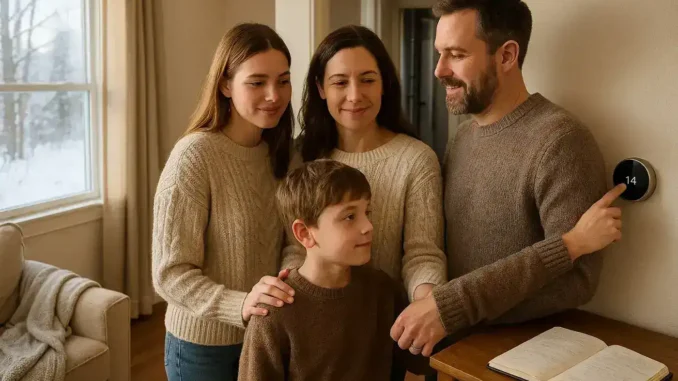
Before you buy anything, look at how you use heat every day. One of the simplest ways to save is to adjust your thermostat a little lower when you are asleep or away from home. Even a 1 to 2 degree change can make a noticeable difference over a full season.
Try setting a schedule instead of keeping the temperature high all day. If your home feels chilly in the morning, put on socks and a sweater before cranking the heat. That sounds obvious, but a small habit change is usually cheaper than heating the whole house like it is midsummer.
Smart thermostat habits that really help
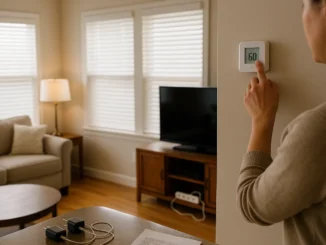
If you have a programmable or smart thermostat, use it. Set it to warm the house before you wake up and cool it down when nobody is home. That keeps comfort where you want it without paying for empty rooms.
For many households, this simple routine can trim heating costs by 5% to 10% over time. It is not flashy, but neither is a lower bill, and that is kind of the point.
Seal drafts and improve insulation where it counts
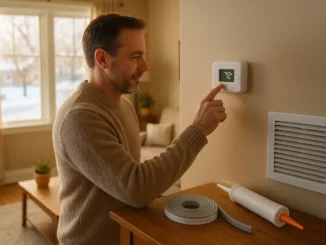
Heat escaping through tiny leaks is one of the fastest ways to waste money. Check windows, doors, attic access points, and baseboards for cold air. Weatherstripping, caulk, and door sweeps are inexpensive fixes that can make a real difference.
Insulation matters too, especially in the attic. If your heat rises and slips out above you, your furnace or propane system has to keep firing to catch up. A little attic insulation or even a few upgrades around drafty spots can help the home hold warmth longer.
Think of it this way: if your house leaks heat, you are paying to warm the outdoors. That is one hobby most families can skip.
Keep furnaces and gas appliances running efficiently
Natural gas furnaces and propane heating systems work best when they are clean and maintained. Replace air filters regularly, clear dust from vents, and schedule an annual tune-up if you can. A dirty filter or neglected burner makes the system work harder, which usually means higher fuel use.
Do not forget gas water heaters, fireplaces, stoves, and dryers. If a pilot light is out, a burner is clogged, or a vent is blocked, the appliance may use more fuel than it should. Regular maintenance is one of those boring chores that saves real money later.
If you are unsure about a problem, check with a licensed technician or your utility company. Many providers offer energy tips, and some utilities point customers to rebates or efficiency programs through the U.S. Department of Energy and local partners.
Cut hot water use without feeling deprived
Water heating can take a big bite out of gas usage, so this is a smart place to save. Shorter showers, lower water heater settings, and fixing dripping hot water faucets can reduce waste fast. If your water heater is set too high, you may be paying to overheat water you never use.
Try setting the water heater to 120 degrees if that is appropriate for your home. Wash laundry in cold water when you can, and only run the dishwasher and washing machine with full loads. These small changes can reduce heating costs without making daily life inconvenient.
Cook smarter with natural gas or propane
Cooking with gas is already efficient, but there are still ways to save. Keep lids on pots, match the burner size to the pan, and turn the heat down once food is boiling. For simple meals, use a microwave, toaster oven, or air fryer when it makes sense.
If you use propane for cooking indoors or outdoors, track how often you grill, bake, or run side burners. That makes it easier to spot waste and avoid surprise refills. A little planning goes a long way, especially during busy months when fuel use tends to sneak up.
Manage propane refills and track usage
Propane customers have one extra job that natural gas users do not: keeping an eye on tank levels. Do not wait until the tank is nearly empty, especially before a cold snap or holiday weekend. Emergency delivery can cost more, and nobody wants to negotiate with a nearly empty tank while the house is cooling off.
Track your usage for a season or two. Write down refill dates, gallons delivered, and how often you use propane for heating, cooking, or outdoor equipment. Once you see the pattern, it is easier to plan refills early and compare suppliers before you are in a rush.
If your propane provider offers automatic delivery, ask how it works and whether it fits your household. If not, a simple calendar reminder can still help you save on propane by avoiding last-minute fees and overbuying at the worst time.
FAQ
How much can sealing drafts save on heating?
It depends on the home, but sealing air leaks and improving insulation can make a meaningful dent in heating bills. Many homeowners notice better comfort right away, along with less run time from the furnace.
Is it worth lowering the thermostat by just a degree or two?
Yes. Small thermostat changes can add up over a full heating season, especially when paired with warmer clothing, blankets, and a good schedule.
What is the easiest way to save on propane?
Track your tank level, refill before it is almost empty, and keep propane appliances maintained. That helps you avoid emergency delivery costs and unnecessary waste.
Should I replace an older furnace to lower my gas bill?
If your furnace is old, noisy, or breaking down often, a newer high-efficiency model may lower fuel use. It is smart to compare repair costs, estimated savings, and available rebates before deciding.
What is the best first step if my heating bill keeps rising?
Start with the basics: check for drafts, change filters, review thermostat settings, and look at how much hot water and propane you use. Those simple fixes often reveal the easiest savings first.
Saving on natural gas and propane usually comes down to being a little more intentional, not living less comfortably. Tighten up drafts, use your thermostat wisely, keep appliances in good shape, and watch propane usage before it turns into a pricey surprise. Do those things consistently, and your home stays warm while your bill gets a little easier to swallow.