If your winter gas bill keeps climbing, you are not imagining it. Between higher energy prices, cold snaps, and homes that leak heat like a sieve, it gets expensive fast. The good news is that you do not need a full remodel to lower your gas bill or reduce heating costs. A few smart changes can make a real difference on natural gas and propane use without making your house feel like a freezer.
Seal Drafts Before You Touch the Thermostat
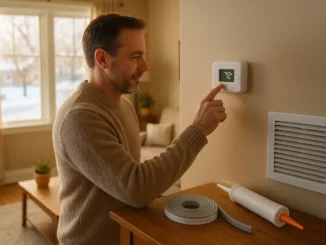
One of the easiest ways to save money on gas is to stop warm air from escaping in the first place. Check around windows, doors, attic hatches, and baseboards for cold drafts. Caulk, weatherstripping, and draft blockers are cheap fixes that can pay off quickly.
If your home has older insulation, even a small upgrade can help keep the heat where it belongs. You do not need to tear open walls to notice a difference. Start with the attic, basement, or crawlspace if heat loss seems worst there.
Simple fixes that add up
Use door sweeps, add outlet gaskets on exterior walls, and close fireplace dampers when not in use. These small steps are not glamorous, but neither is paying extra every month just to heat the outdoors.
Use Your Thermostat More Wisely
A smart thermostat can help, but only if you use it like a money-saving tool. Set it a little lower when you are asleep or away from home. Energy experts often say that even a modest setback can trim annual heating costs over time.
Try a comfortable target during the day and drop it a few degrees at night. If you like to bundle up in sweats and socks anyway, this may be the easiest win on the list. The trick is consistency, not constantly fiddling with the settings.
Better thermostat habits
Do not crank the heat way up thinking it will warm the house faster. Most systems heat at the same speed no matter how high you set the dial, so you are just overshooting the temperature. That is an easy way to waste gas.
Maintain Furnaces and Gas Appliances
A furnace that is dirty or neglected has to work harder to do the same job. Replace filters on schedule, vacuum vents, and keep registers clear of furniture or rugs. If the system is struggling, a yearly tune-up can help it run more efficiently.
The same goes for gas appliances like water heaters, dryers, and stoves. A clean burner and proper airflow can improve performance and reduce waste. If you smell gas, hear unusual noises, or notice weak heat, call a pro right away.
Cut Hot Water Costs Without Sacrificing Comfort
Hot water is a sneaky part of your gas bill, especially in homes with gas water heaters. Shorter showers, lower water heater settings, and fixing leaks can save more than you think. A dripping hot water faucet is basically money going down the drain.
Wash clothes in cold water when possible, and run full laundry loads instead of half loads. If your water heater is set much higher than needed, lowering it a bit may reduce propane or natural gas use while still keeping everyday life comfortable.
Small changes in the bathroom
Install low-flow showerheads and consider a shower timer if the family tends to linger. A five-minute shower instead of a ten-minute one can cut hot water use in half for that routine. Over a season, that adds up.
Cook Smarter With Gas or Propane
Cooking at home should save money, not quietly drain it. On a gas range, use lids to trap heat, match the burner size to the pan, and avoid preheating longer than necessary. On propane grills or stoves, planning meals can help you use fuel more efficiently.
If you cook outdoors, keep track of propane levels so you are not forced into an emergency refill at the worst possible time. Topping off a tank before it runs too low can help you avoid last-minute delivery fees or rushed purchases. That is a simple way to save on propane without changing your menu.
Stretch every refill
Keep a log of tank refills, grill use, and heating patterns during colder months. When you know what a normal tank lasts, it gets easier to spot waste and budget better for the next refill.
Track Usage and Spot Waste Early
Many households do not realize how much they use until the bill arrives. Compare monthly statements, watch for sudden spikes, and look for patterns when temperatures drop. If usage climbs but the weather stays similar, something in the home may need attention.
For propane users, tracking usage is especially helpful because delivery timing affects cost. For natural gas homes, usage reports from your utility can reveal when heating, cooking, or hot water is driving the biggest jumps. A little attention now can prevent a lot of sticker shock later.
FAQ
What is the fastest way to lower my gas bill?
Start with thermostat settings, draft sealing, and furnace filter replacement. Those three steps are low-cost and can show results quickly.
Does lowering the heat at night really help?
Yes. Reducing the thermostat while you sleep or are away can lower heating costs over time, especially in colder climates where the furnace runs often.
How can I save on propane during winter?
Track usage, refill before the tank gets too low, and reduce demand with better insulation and thermostat control. Efficient cooking and shorter showers help too.
How often should I service gas appliances?
Once a year is a good rule for furnaces and heating equipment. Always follow the manufacturer’s guidance for other gas appliances.
Saving on gas is usually not about one big fix. It is about stacking a bunch of small wins until your home holds heat better, your appliances run cleaner, and your monthly bill stops feeling like a surprise. Start with the easy stuff this week, and your wallet may notice the difference before the next cold front rolls in.