
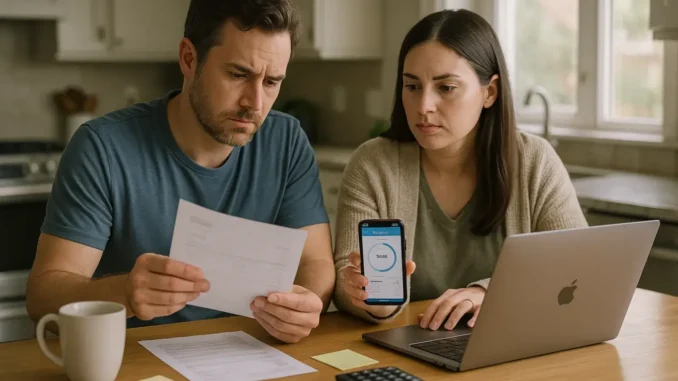
If you are trying to save money on your cell phone plan, you are not alone. Phone bills have a funny way of creeping up, especially when you are paying for data you never use, extras you forgot about, or a new phone you did not really need yet.
The good news is that lowering your phone bill usually does not take a dramatic lifestyle change. A few smart tweaks can shave off real money every month, whether you are on a contract plan or a prepaid plan.
Review Your Current Cell Phone Plan Before Doing Anything Else
Start by looking at what you are actually paying for. Many people stay on the same plan for years without checking whether their usage has changed, and that is where the waste starts.
If you rarely go over your data limit, you may be able to downgrade to a cheaper phone plan right away. A smaller plan could save $15 to $40 per month, which adds up to a few hundred dollars a year.
Match the plan to your real usage
Open your carrier app or recent bills and check your talk, text, and data use. If most of your day is spent on WiFi, you probably do not need a huge data bucket sitting on your bill.
It is also worth looking at how many lines are on your account. Sometimes one line is carrying the cost of features or data levels that only make sense for a heavy user, not the whole family.
Cut Add Ons and Extras You Do Not Need
Carriers love extras, and some of them are useful. The problem is that many customers keep paying for insurance, cloud storage, hotspot access, streaming perks, or premium voicemail long after they stop using them.
Removing just a few small charges can lower your phone bill without changing your service at all. A $5 or $10 add on may not sound like much, but over a year that is money you could keep in your pocket.
Check for auto renewals and hidden charges
Look carefully at your statement for fees that do not jump out at first glance. If you see something you never signed up for, call and ask what it is and whether it can be removed.
Autopay and paperless billing discounts can help too. Many carriers offer a monthly savings just for letting them draft your payment automatically, which is one of the easiest ways to save money on cell phone service.
Use WiFi and Family Plans to Lower Your Phone Bill
Using WiFi whenever possible is one of the simplest money-saving habits around. At home, at work, and at many public places, you can keep data use low and avoid needing a pricey unlimited plan.
This does not mean living like you are trapped in a library. It just means downloading updates, streaming video, and backing up photos over WiFi whenever you can instead of burning through mobile data.
Family and group plans can stretch your dollars
If you have more than one line, compare the price of separate plans with a family plan. Group plans often bring the per-line cost down, especially with larger carriers and prepaid providers.
For example, a family of four might save $20 to $60 per month by moving from individual plans to one shared account. That is enough to cover dinner, gas, or a chunk of a utility bill.
Bring your own device instead of financing
Phone payments can quietly make a good plan expensive. If your current phone still works well, bringing your own device can help you skip monthly financing charges and keep your bill lean.
Timing matters too. If you are close to paying off a phone, it often makes more sense to finish those payments before upgrading. Otherwise, you may end up paying for two phones at once, and nobody needs that surprise.
Switch to Prepaid or MVNO Providers for a Cheaper Phone Plan
If your current carrier is still too expensive, look at prepaid plans and MVNO providers. MVNOs are smaller carriers that use the big networks but often charge less, which makes them a smart option for people who want lower monthly costs.
Prepaid plans are usually simpler too. You pay in advance, skip long contracts, and often avoid the pile of fees that can sneak onto traditional bills.
When switching makes sense
Switching is a good move if you are paying for more data than you need, your carrier keeps raising prices, or customer service has become a daily test of patience. If another provider offers similar coverage for less, the math may do the talking for you.
Before you switch, check coverage in your area, make sure your phone is unlocked, and confirm that you can port your current number. Those steps are usually straightforward, and they can help you move without losing your contacts, your number, or your sanity.
How to Negotiate With Your Provider for a Better Deal
It never hurts to call and ask for a better rate. Be polite and direct, and mention that you are reviewing your options because you want to lower your phone bill.
Ask whether any promotions, loyalty discounts, or account credits are available. If you have seen lower pricing from another carrier, mention that too. You do not need a dramatic speech, just a simple request to see if they can match or improve the offer.
Ask for retention if needed
If the first person cannot help, ask to be transferred to retention or customer loyalty. That department often has more flexibility to apply discounts or suggest a better plan.
Sometimes the best savings come from one phone call. Even if the carrier only trims a fee or upgrades your plan at the same price, that is still a win for your budget.
Cell Phone Plan FAQ
Is prepaid always cheaper than contract service?
Not always, but it often is. Prepaid plans usually come with fewer fees and fewer surprises, which makes them a strong choice if you want predictable monthly costs.
Will bringing my own phone really save money?
Yes, especially if your current phone is already paid off. Skipping monthly device payments can reduce your bill by a noticeable amount every month.
What is the easiest way to lower my phone bill fast?
Remove add ons you do not use, check for autopay discounts, and review whether your data plan is larger than you need. Those are quick fixes that can start saving money right away.
How do I know if I should switch carriers?
If another provider offers better pricing, good coverage in your area, and a plan that fits your usage, switching may be worth it. The key is making sure the savings are real after taxes, fees, and any phone payments are included.
The cheapest plan is not always the one with the biggest label, it is the one that fits your actual habits. Check your bill, trim the extras, use WiFi more often, and do not be afraid to ask for a better deal. A little attention now can keep your cell phone costs from gobbling up money you would rather spend somewhere else.