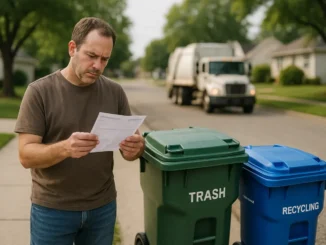
Trash collection seems simple until the bill shows up higher than expected. Between rising service fees, limited pickup options, and paying for a bin that is bigger than your household needs, many families end up spending more than they should. The good news is that a few small changes can lower your trash bill without turning your week upside down.
Why trash collection costs keep rising
In many cities, municipal trash collection is bundled with utility bills or property charges, which makes the cost easy to overlook. Private haulers can look cheaper at first, but add-ons like fuel surcharges, container fees, and extra pickup charges can push the total higher. If you know where the money is going, it is much easier to reduce waste costs.
Another thing to watch is service levels that quietly change over time. A company may raise rates, reduce the number of pickups, or add fees for bulky items and missed carts. That is why it pays to read the fine print once in a while, even if it is about as exciting as sorting junk mail.
How to lower your trash bill with municipal service
If your city handles garbage collection, start by checking what level of service you actually need. A larger bin might feel convenient, but if it is rarely full, you may be paying for empty space. Many municipalities allow residents to request a smaller cart or reduced pickup frequency, especially if the household has low waste.
It also helps to look at how your city prices service. Some communities charge by cart size, while others charge a flat fee or let you add special pickups only when needed. If your household produces less trash than your neighbors, asking about a smaller bin can be one of the easiest ways to save money on garbage collection.
Watch for overage rules
Some city services charge extra if bags are left beside the cart or if the bin lid will not close. That means one weekend of takeout boxes and yard debris can trigger a fee. To avoid that, break down boxes, rinse recyclables, and skip the habit of stuffing just one more bag into an already packed container.
When a city offers seasonal cleanup days or bulk item drop-offs, use them. Those programs are often cheaper than paying repeated overflow fees during the year, and they can keep your regular cart from turning into a mini landfill.
Saving money on garbage collection from private haulers
If you live outside city service, compare private trash collection companies before you renew anything. Rates can vary more than people expect, even for the same pickup schedule. Ask about monthly pricing, contract length, recycling pickup, and whether trash can be shared with a neighbor where local rules allow it.
It is also smart to ask what is included in the quote. Some companies advertise a low base price, then add fees for fuel, containers, missed pickups, or extra bags. If a price sounds too good to be true, it usually means the bill will get friendlier to your wallet later. Comparing a few local haulers can help you avoid that surprise.
Some providers also offer discounts for automatic payments, annual billing, or bundling yard waste service with regular pickup. Those savings may not sound huge at first, but trimming $5 to $10 a month adds up to real money over a year.
Easy ways to reduce waste costs at home
The cheapest way to save money on garbage collection is to make less garbage. Buy in bulk when it actually helps, choose products with less packaging, and reuse bags, containers, and boxes before tossing them. Small habits like this keep your bin lighter and may help you avoid overage fees.
Recycling properly matters too. Clean cardboard, cans, bottles, and accepted plastics should go in the right bin, not the trash cart. When recyclable items end up in the garbage, your trash volume grows for no good reason. A few extra seconds at the bin can keep your refuse service from getting more expensive.
Composting is another easy win. Even a simple countertop pail or backyard pile can keep food scraps out of the trash, which means fewer stinkier bags and less space wasted on banana peels. If composting sounds fancy, it really is not. Think of it as giving your coffee grounds a second job.
Sharing service can help too, if your area and provider allow it. A few neighbors sometimes split a larger dumpster or shared cart for clean-up projects, seasonal yard waste, or rental properties. Just make sure everyone agrees on pickup timing and payment so the savings do not turn into a headache.
How to review your trash bill and remove extra charges
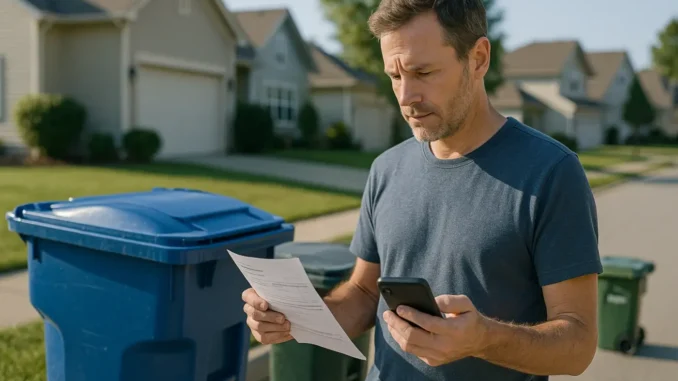
Take a close look at your bill line by line. Watch for charges labeled container rental, fuel surcharge, admin fee, environmental fee, or late fee. If something looks new or vague, call and ask what it covers. A polite question often gets a clearer answer than staring at a confusing invoice for twenty minutes.
This is also the time to ask whether you qualify for a smaller bin, fewer pickups, senior discounts, or seasonal service changes. If your household generates less waste than it used to, many cities and private haulers will adjust your plan. Even if the first answer is no, a second call after asking for the billing department can sometimes help remove extra charges.
When you request a change, be specific. Say you want to lower your trash bill by switching to a smaller container or a less frequent pickup schedule. Clear wording makes it harder for the company to send you in circles, and it gives you a better chance of getting the service level you actually need.
Trash collection FAQ
Can I save money by switching to a smaller trash cart?
Usually, yes. If your cart is only half full most weeks, a smaller size can lower your bill and make you more aware of what you toss.
Is recycling worth the effort?
It is if your area offers reduced trash service or charges by container size. Proper recycling also keeps reusable materials out of the landfill.
What if I rarely fill my bin?
Ask your city or hauler about reduced service or a less frequent pickup schedule. Many households pay for more than they need simply because no one asked.
How do I challenge a fee I do not recognize?
Call customer service, ask for the exact reason it was added, and request written confirmation if the charge is removed. Keep notes with the date, name, and what was promised.
Lowering trash costs does not require a complete lifestyle makeover. Start with one move, like switching to a smaller bin, composting food scraps, or checking your next bill for surprise charges, and then build from there. A few practical changes can trim waste costs year after year, and that is the kind of savings most households can actually stick with.