Garbage collection is one of those bills people tend to ignore until it creeps up again. Between rising service fees, smaller pickup limits, and paying for more trash than your household actually makes, it can feel like you are funding a landfill all by yourself.
The good news is that there are real ways to lower your trash bill without turning your home into a recycling lab. A few simple changes can help you save money on garbage collection, whether you use a city-run program or a private hauler.
Start With the Right Trash Bin Size
If your utility or hauler offers different bin sizes, this is often the easiest place to save. Many households are paying for a large cart when a smaller one would work just fine.
Downsizing your trash bin can trim monthly costs right away. If you live in a small home, have a two-person household, or recycle a lot, you may be able to reduce waste costs without changing much else.
For municipal trash services, call the city or check your account to see whether smaller bins are available. With private trash collection companies, ask whether you can switch to a lower service tier or a smaller cart at renewal time.
Cut Waste to Avoid Overage Fees
Some garbage services charge extra when your bin is overflowing, too heavy, or set out with bags beside it. Those little fees add up fast, especially if they happen every week.
The simplest fix is to produce less trash in the first place. Buy in bulk when it makes sense, choose products with less packaging, and avoid tossing items that could be reused, donated, or repaired.
Recycle the Right Way
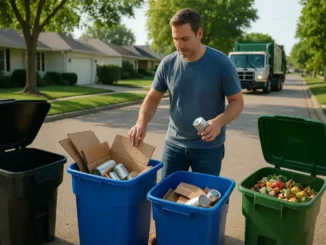
Recycling properly can make a real difference in how much trash you send out each week. Paper, cardboard, cans, and certain plastics should go in the recycling bin if your local program accepts them.
Make sure you are following local rules, because contamination can cause entire loads to be rejected. A clean recycling bin helps keep more material out of the trash cart and can make it easier to stay under your limit.
Compost Food Scraps
Food waste is one of the biggest space hogs in the trash. Fruit peels, coffee grounds, eggshells, and yard scraps can often be composted instead of thrown away.
Even a simple backyard compost pile or a small kitchen compost pail can reduce how often your trash bin fills up. Less food waste in the cart means fewer trips to the curb and less chance of overage charges.
Avoid Extra Pickup Charges
Some service plans look cheap at first but come with surprise add-ons. You might get charged for extra bags, bulky item pickups, holiday schedule changes, or bins that are left too far from the curb.
Read the service rules carefully so you are not paying for mistakes that are easy to avoid. If you regularly have a large item to toss, see whether your city offers a free bulk pickup day or if your hauler includes one or two pickups a year.
Sharing service with a neighbor can also help in some areas, especially if your local rules allow one cart to serve more than one household. This works best for vacation homes, duplexes, or neighbors who produce very little trash. It is not always possible, but when it is, the savings can be nice.
Compare Private Haulers Before You Renew
If your neighborhood has private trash collection, do not assume your current company is the best deal. Rates can vary a lot, even for similar pickup schedules.
Compare at least a few local haulers before you renew or sign a new contract. Look at the total monthly price, pickup frequency, bin size, holiday service, and any extra fees. The cheapest quote is not always the best one if the company adds charges for everything under the sun.
A family that switches from a $42 monthly plan to a $32 plan saves $120 a year. That is not vacation money, but it is certainly grocery money.
Review Your Trash Bill for Hidden Fees
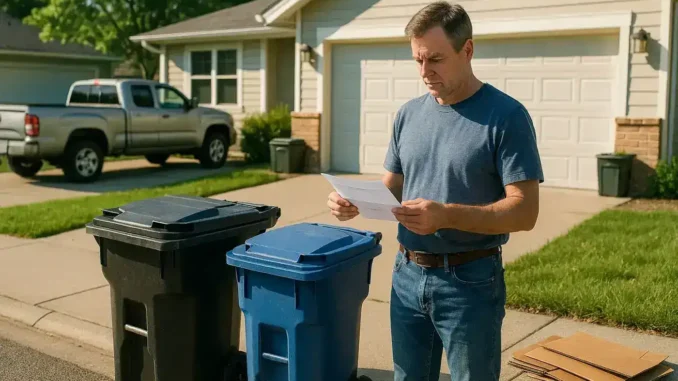
If your bill keeps rising, take a few minutes to review every line. Sometimes the increase is real, but sometimes it comes from fuel surcharges, admin fees, rental fees, or add-ons you never asked for.
When to Ask for a Smaller Bin
Ask for a smaller bin when your cart is never full, you have switched to more recycling, or you have cut down on household waste. A smaller container can lower your monthly bill and help you keep the habit of not overfilling it.
For city services, the request may be handled through the utility office or public works department. For private haulers, call customer service and ask what service levels are available before your next billing cycle begins.
How to Question Charges
If something on the bill looks off, call and ask for a plain explanation. Be polite, but specific. Ask what the charge is, whether it is required, and whether it can be removed.
Also ask whether your plan includes services you do not use. Some companies bundle yard waste pickup, bulk item service, or extra cart fees into the bill. Removing unnecessary extras is one of the fastest ways to lower your trash bill.
Practical Ways to Save Money on Garbage Collection
The best savings usually come from small habits that stick. Set up recycling bins where they are easy to reach, keep a compost container in the kitchen, and flatten boxes before they go out.
It also helps to track what fills your trash bin each week. Once you notice the patterns, it becomes much easier to reduce waste costs without feeling like you are constantly sorting garbage like a part-time job.
FAQ
How can I lower my trash bill fast?
Start by checking whether you can move to a smaller bin, remove extra add-ons, or reduce pickup frequency. Those are usually the quickest ways to save money on garbage collection.
Do municipal trash services cost less than private companies?
Not always, but municipal service is often simpler and sometimes cheaper because rates are set locally. Private haulers may offer more options, which can help if you compare plans carefully.
What items should I recycle instead of throwing away?
Common items include cardboard, paper, metal cans, glass, and certain plastic containers, depending on your city rules. Always check local guidelines so you do not accidentally contaminate the recycling stream.
Can composting really reduce waste costs?
Yes. Food scraps take up a lot of bin space, so composting can help you avoid overage fees and reduce how often you need extra pickups.
Is it worth negotiating with a trash company?
Absolutely. If you can show that you need a smaller bin, fewer pickups, or a cleaner bill with no add-ons, many companies will work with you. A few phone calls now can lead to steady savings month after month.
The easiest way to keep paying less is to treat trash service like any other household bill. Use less space, throw away less, and check every charge so you only pay for the pickup you actually need.