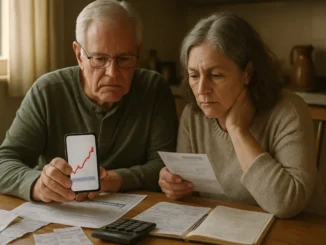

Young Americans are treating dating like a line item in the monthly budget, with many cutting back on dates, choosing cheaper outings or skipping paid app features as costs rise and digital matchmaking gets more expensive, according to a recent survey of U.S. adults in their 20s and 30s. The trend is showing up now across the country, especially in higher-cost cities, because restaurant bills, rideshares and premium dating apps have made romance feel less spontaneous and more financial.
Why dating is getting pricier
The pressure starts with the basics. The Bureau of Labor Statistics has reported that prices in categories tied to dating, including food away from home and transportation services, have stayed elevated compared with pre-pandemic levels, leaving fewer low-stakes options for an evening out.
That matters because modern dating often begins with spending. A first date can now include a meal, coffee, a drink, parking, transit, or a rideshare, and each of those purchases arrives before two people know whether they want a second date.
For younger adults who are still building savings, paying rent, and managing student debt, the math changes quickly. A date that once felt routine can start competing with groceries, utilities and other fixed expenses.
Dating apps turned access into a subscription
The survey points to another source of pressure: paid dating apps. What began as a free way to meet people has become a freemium model built on subscriptions, boosts and visibility upgrades.
Match Group, which owns Tinder and Hinge, and Bumble have both built much of their business around premium features, according to their public company filings. That model gives users more tools, but it also turns dating into an ongoing subscription decision rather than a one-time download.
In practice, the apps can make the market feel more expensive and more competitive at the same time. Users who do not pay may see fewer matches or less reach, while those who do pay often expect better results, which raises the stakes of every transaction.
The survey reflects a broader pullback
The new finding fits a larger pattern of caution among younger consumers. When budgets tighten, discretionary spending is often the first thing to shrink, and dating fits squarely into that category because its returns are uncertain and its costs are easy to postpone.
That helps explain why some respondents say they are opting for fewer dates, shorter meetups or lower-cost plans such as walks, coffee and free public events. The goal is not to stop dating altogether, but to reduce the financial risk attached to it.
The shift also reflects a change in dating behavior itself. Apps increased the number of options, but they also increased the amount of time people spend comparing, filtering and waiting, which can make each date feel more deliberate and less casual.
Experts and industry data point to a tighter market
Consumer researchers have long noted that people cut back on experiences faster when prices rise and the payoff is uncertain. Dating combines both pressures, since users cannot easily predict success and often pay before they see any result.
That dynamic matters for app makers too. Public filings from major platforms show they depend heavily on subscription revenue, which means any slowdown in consumer willingness to pay can hit growth quickly. If users decide that premium visibility is not worth the cost, the business model gets harder to defend.
There is also a social dimension. As more young adults trade dinners and nightlife for cheaper first meetings, dating could become more centered on low-cost, low-commitment interactions. That may help some users stay active in the market, but it also raises the barrier for people who already feel excluded by money, geography or time.
What this means for readers and the industry
For readers, the message is straightforward: dating is no longer insulated from inflation. The cost of meeting people now sits alongside other household expenses, and that is pushing more young adults to ration their time, attention and cash.
For the industry, the trend is a warning that the next growth phase may depend less on adding users and more on keeping existing ones willing to pay. Apps may need to justify premium fees more clearly, offer cheaper tiers, or lean harder into features that help users connect offline.
What to watch next is whether this spending pressure changes how people meet in the first place, and whether dating platforms respond by lowering friction or doubling down on paywalls as young Americans decide how much romance is worth.