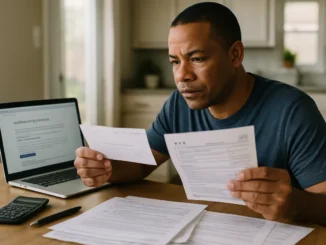

Voya Financial CEO Heather Lavallee told CNBC’s Sharon Epperson this week that caregivers and workers with disabilities are often overlooked when employers package financial benefits, leaving many employees unaware of tools such as ABLE accounts that can protect savings and support day-to-day expenses. The issue matters now because caregiving costs remain high, disability-related expenses are persistent, and employers that fail to explain available programs may be missing a low-cost way to improve retention and financial security.
Why the gap exists
ABLE accounts, authorized under federal law and administered through state programs, let eligible people with disabilities save money without putting certain public benefits at risk, according to the IRS. Yet the accounts remain underused, in part because eligibility rules are technical and many workers never hear about them through standard benefits enrollment.
The same information gap affects caregivers. AARP estimates that about 53 million Americans provide unpaid care to an adult or child, but many of them do not identify themselves as caregivers at work and do not seek support until stress or expenses become difficult to manage. That makes them easy to miss in benefit design built around a traditional full-time employee model.
What employers are overlooking
Lavallee’s point, as CNBC framed it, is less about adding new benefits than about making existing ones usable. Employers often provide health coverage, leave, financial wellness tools, and retirement plans, but employees need clear guidance on how those programs interact with disability or caregiving needs.
That can include education on ABLE accounts, caregiver leave policies, backup child care, flexible schedules, and access to financial counselors who understand means-tested benefits. Without that support, employees may avoid saving, reduce work hours, or turn to high-interest debt to cover recurring costs.
Why the business case is getting stronger
The stakes are not only personal. Financial strain drives absenteeism, distracts workers, and raises turnover risk, especially in roles where employers already struggle to keep staff. Human resources specialists have long argued that benefit utilization matters as much as benefit availability, because a program no one understands does not influence behavior.
There is also a compliance and equity angle. Employers that serve disabled workers or caregivers through inclusive communications and targeted support are better positioned to show that benefits are accessible across a broader workforce, not just to employees who already know how to navigate the system.
What experts and data suggest
The IRS says ABLE accounts are designed to help eligible individuals with disabilities save for qualified expenses, including housing, transportation, education, and health care, while preserving access to certain public programs. That structure makes the account useful, but only if workers know it exists and understand whether they qualify.
Industry providers such as Voya see the issue from another angle: employees are more likely to use benefits when employers explain them in plain language and connect them to real-life events such as a parent illness, a child with special needs, or a sudden change in work schedule. That is where many current benefit packages fall short.
What to watch next
For readers, the immediate takeaway is simple: ask your employer whether caregiver resources, disability savings education, and flexible work options are included in the benefits stack. For employers, the next test is whether they can move beyond generic enrollment pages and offer targeted, practical guidance that reflects how people actually live and work.
As more companies compete on total rewards and employee well-being, watch for a shift toward benefits communication that is more personalized, easier to understand, and built around caregivers and workers with disabilities rather than around the average employee who rarely exists in practice.