
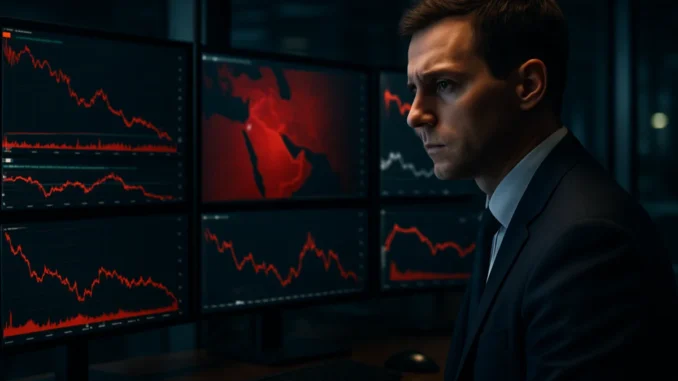
Global investors in the United States and other major markets are confronting fresh volatility this week as Iran war fears shake stocks, lift oil prices, and push traders toward safer assets. The trigger is geopolitical, but the message is financial: sudden conflict risk can expose whether a portfolio is built for true risk tolerance or just for calm markets.
Why the market is reacting
The immediate concern is energy supply. According to the U.S. Energy Information Administration, about one-fifth of the world’s petroleum liquids move through the Strait of Hormuz, the narrow waterway between Iran and Oman that has long been a pressure point in any Middle East conflict. Any threat to shipping there can quickly feed into crude prices, inflation expectations, and equity volatility.
That matters because higher oil costs can ripple through the economy. Transportation, manufacturing, and consumer spending all feel the effect when energy gets more expensive, and investors tend to reprice stocks that depend on stable input costs and steady demand.
Volatility is forcing a fresh portfolio check
For many households, the sharp moves are less a reason to trade and more a reason to review. Market volatility is offering a timely reminder that risk tolerance is not the same as risk capacity, and both can change when headlines turn from earnings to war.
That distinction matters in retirement accounts, college savings plans, and taxable portfolios alike. A mix of stocks, bonds, and cash that looked acceptable in a steady bull market can feel very different when daily moves are driven by missile strikes, shipping alerts, and oil headlines.
The Cboe Volatility Index, widely known as the VIX, is often used as a gauge of expected market turbulence. When geopolitical stress rises, traders typically buy protection, and the cost of that protection tends to rise with it.
What the latest swings reveal
The market’s first reaction to Iran-related tensions has been familiar: more demand for defensive assets, pressure on sectors exposed to energy costs, and a narrower appetite for risk. That usually means investors rotate toward utilities, consumer staples, Treasury bonds, and companies with stronger balance sheets.
Energy stocks can move differently. Oil producers often benefit when crude prices climb, while airlines, transportation firms, and other fuel-sensitive businesses can see margin pressure. That split helps explain why broad index moves often mask a much larger story underneath.
Analysts regularly warn that investors who respond to every headline risk locking in losses or missing rebounds. Vanguard has long argued in its market research that disciplined asset allocation and regular rebalancing matter more over time than trying to guess the next geopolitical turn.
Historical lesson: fear can create opportunity, but not certainty
Geopolitical shocks often produce fast but uneven market reactions. In many cases, the initial sell-off fades once the path of supply, sanctions, and military response becomes clearer. But when energy infrastructure or shipping lanes are threatened, the impact can last longer because the shock reaches inflation, interest rates, and company profits at the same time.
That is why some advisers describe periods like this as a stress test rather than a trading signal. The goal is not to predict headlines. The goal is to make sure an investor is not taking more equity exposure than they can tolerate when prices move in both directions at once.
What investors are likely to do next
Investors with concentrated stock positions or aggressive growth allocations are likely to revisit whether they need more diversification. That can mean trimming overextended positions, adding short-duration bonds, or keeping a larger cash buffer for near-term spending needs.
At the same time, volatility can create entry points for long-term buyers who already have a plan. Dollar-cost averaging, rebalancing to target weights, and holding some defensive exposure are all ways to use turbulence without trying to forecast the next headline.
The current episode also reinforces how closely geopolitics and markets remain linked. If tensions around Iran ease, oil prices may retreat and equities could recover quickly. If the conflict widens or shipping routes are threatened further, the pressure on stocks, inflation, and investor sentiment could intensify, making portfolio checks less optional and more urgent.
What to watch next is clear: crude prices, Strait of Hormuz shipping risk, the VIX, and whether investors keep moving toward defense or start buying the dip again.
Context: why this matters beyond the trading screen
For readers, the practical takeaway is not to react to every red day. It is to use market stress as a test of whether savings goals, time horizon, and asset mix still match the risks in the world outside the portfolio.
For the industry, the episode is a reminder that geopolitical shocks remain a powerful driver of asset allocation, and that the next move in markets may depend as much on diplomacy and oil flows as on earnings season.