
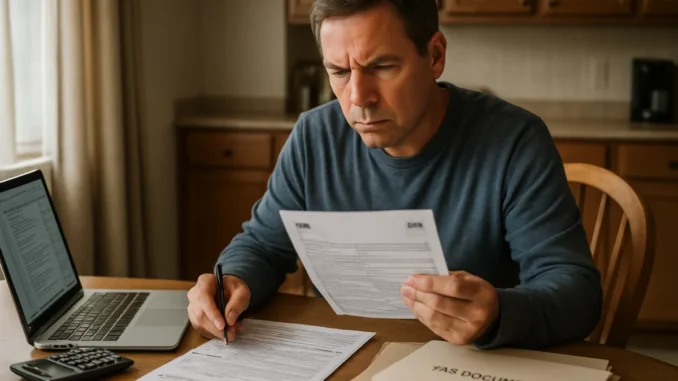
The IRS could owe refunds to millions of taxpayers who paid certain pandemic-era penalties, after the Kwong v. United States ruling revived questions about who was charged too much and how to get money back. The issue matters for taxpayers across the United States who filed returns during the COVID-19 period, paid assessed penalties, and may still be within the time limit to claim a refund.
Why the ruling matters now
During the pandemic, Congress and the IRS repeatedly changed filing deadlines, payment rules, and penalty relief policies to keep taxpayers from being punished for disruptions caused by COVID-19. But those changes did not always reach every return, every notice, or every taxpayer in the same way.
The Kwong case sharpened that problem by giving taxpayers a legal path to argue that some penalty payments were improper and should be refunded. Tax advisers say the ruling is important because penalties often seem small on one return, but they can add up across years and across millions of filers.
Who may qualify for a refund
The people most likely to qualify are taxpayers who paid IRS penalties tied to pandemic-era returns or notices and who can show they were eligible for relief. That can include taxpayers who filed late, paid late, or were assessed penalties during periods when federal relief should have applied.
Not every taxpayer who filed during COVID-19 will have a claim. The key questions are whether a penalty was actually assessed, whether it was paid, and whether the taxpayer still falls within the IRS refund deadline.
According to the IRS, refund claims are generally limited by the statute of limitations. In many cases, taxpayers must file within three years of the original return due date or two years from the date the tax was paid, whichever is later. That timing rule is what makes acting now important for older pandemic-era returns.
How taxpayers can file a claim
The filing method depends on the type of penalty and the return involved. For income tax refunds, taxpayers often use Form 1040-X, the amended U.S. Individual Income Tax Return. For standalone penalty refunds or abatements, the IRS commonly uses Form 843, Claim for Refund and Request for Abatement, depending on the facts of the case.
Taxpayers should gather the IRS notice number, payment records, copies of the original return, and any documentation showing why the penalty should be removed or refunded. The stronger the paper trail, the easier it is to match the claim to the IRS account history.
Tax professionals say the safest approach is to file the claim under the exact tax year and penalty type involved, rather than making a broad request. The IRS typically processes narrow, documented claims faster than vague refund demands.
What experts are watching
Tax attorneys and enrolled agents are watching whether the IRS responds with automatic relief or forces taxpayers to submit individual claims. That distinction matters because automatic adjustments would reach more people, while manual claims would likely leave many eligible taxpayers unaware they qualify.
The IRS still faces a backlog of amended returns and correspondence cases, according to agency processing updates. A wave of refund claims tied to pandemic-era penalties could add more pressure, especially if taxpayers start reviewing old filings all at once.
Experts also note that the relief window may not stay open for long. Once the refund statute expires, the IRS generally cannot issue money back, even if the underlying penalty was wrong.
What this means for taxpayers
For readers, the practical step is to review pandemic-era tax notices, payment receipts, and filed returns from 2020 through 2023. Taxpayers who paid a penalty and later learned they may have qualified for relief should not assume the IRS will correct the record automatically.
Small businesses, retirees, and households that relied on deferred payments or deadline extensions should pay close attention, especially if their returns were filed late or amended after the fact. A refund claim can be time-sensitive, and missing the deadline can erase the right to recover the money.
What to watch next is whether the IRS issues broader guidance that clarifies which penalties qualify and whether refunds will be handled automatically or only through filed claims. That decision will determine how many taxpayers actually see money back and how quickly the agency can process the requests.