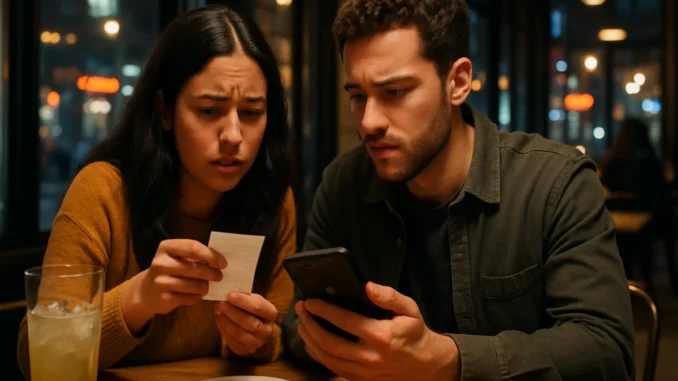
Millennials are spending an average of $252 on a date in the U.S., according to a BMO survey that has helped turn date-flation into the latest social media shorthand for rising courtship costs. The finding matters because the price of dating, from dinner and drinks to rideshares and tickets, is now pushing many Americans to date less often, plan cheaper outings or stop dating altogether.
Dating now competes with basic expenses
The survey lands in a consumer environment shaped by persistent inflation and higher living costs. Even as headline price growth has cooled from its peak, the price level remains elevated, which means many everyday purchases still cost more than they did a few years ago.
That matters for dating because romance is usually discretionary. When budgets tighten, dates are among the first expenses people cut, especially when the expected return is uncertain and the cost arrives before any relationship has formed.
Why a single date can get expensive fast
A modern date often includes more than a meal. There can be app subscriptions, parking, rideshares, drinks, dessert, movie tickets or event entry fees, and the bill rises again when people try to make a first impression that feels polished enough to justify the expense.
That is one reason the BMO figure drew attention. At $252 on average, a date is no longer a casual outlay for many households. It competes with groceries, rent and debt payments, which makes repeated dating feel less like leisure and more like financial planning.
The broader consumer backdrop helps explain the reaction. The Bureau of Labor Statistics has shown that categories tied to social life, including dining away from home and transportation, have remained elevated compared with pre-pandemic norms. That combination makes each date feel more expensive even when it is not lavish.
Social media turned a spending trend into a cultural complaint
The phrase date-flation spread because it gives a name to a familiar frustration. Social platforms have amplified posts about expensive first dates, turning private budget stress into a shared joke and a shorthand for a broader affordability problem.
The online conversation is revealing for another reason. It shows that younger adults are not only noticing higher costs, they are rethinking the structure of dating itself. Coffee dates, walks and other low-cost options are getting more attention because they reduce the risk of spending heavily before there is any sign of compatibility.
That shift is not just about thrift. It is also about bargaining power. In a market where one person often pays before there is mutual commitment, the person managing the budget bears the risk of an unsuccessful date.
What the numbers suggest about behavior
BMO’s data suggests that people are not simply absorbing the costs. They are changing behavior. Some are going on fewer dates, while others are setting firm spending limits or preferring venues that keep a first meeting short and inexpensive.
That can reshape the dating economy. Restaurants, bars, theaters and rideshare companies benefit when dating is treated as an evening out. If consumers decide that repeated, high-cost dates are not sustainable, those businesses lose a slice of discretionary spending that once came from courtship.
For dating apps, the pressure is different but related. Apps can help people meet, but they do not solve the cost problem once two people decide to leave the screen and meet in person. If the first in-person step feels too expensive, the entire funnel slows down.
What it means next
For readers, the takeaway is straightforward: dating budgets now matter. People who want to keep dating active may need to think about costs the same way they think about rent or commuting, with clear limits and lower-cost formats that fit their finances.
For the industry, the next test is whether businesses adapt. Venues that offer affordable experiences, and apps that help users plan simple meetups, may gain an edge if consumers keep resisting expensive first dates. What to watch next is whether date-flation fades with inflation or becomes a permanent feature of how Americans date.