Winter utility bills have a sneaky way of showing up like bad news from a cousin who never calls. If you want to lower your gas bill, the good news is that you do not need a major remodel to make a difference. A few smart habits can help reduce heating costs, whether your home runs on natural gas or propane.
Small changes add up fast. Close a drafty window, lower the thermostat a notch, or tighten up the water heater routine, and you may notice the difference before the next bill arrives.
Seal drafts and keep warm air inside
Start with the places where heat slips out. Check windows, doors, attic access panels, and gaps around pipes or vents. Weatherstripping and caulk are cheap fixes, and they often pay for themselves quickly.
If you use propane for heating, sealing drafts matters just as much. The less heat your home loses, the less fuel your system burns trying to keep up.
Use your thermostat wisely
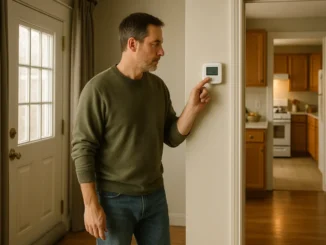
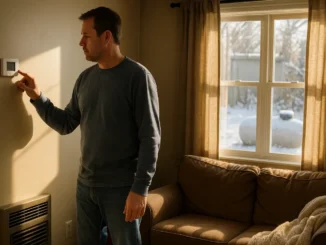
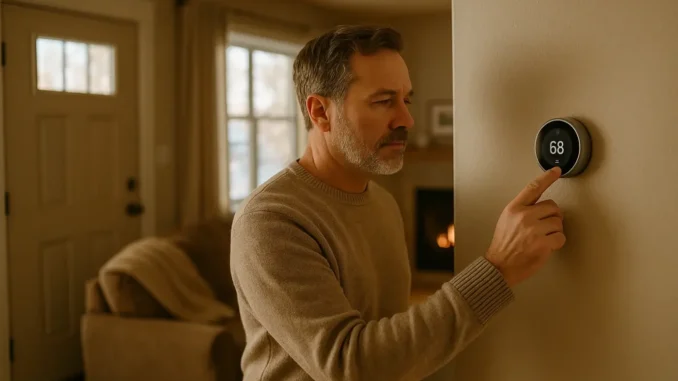
The U.S. Department of Energy recommends setting the thermostat lower when you are asleep or away. A drop of 7 to 10 degrees for 8 hours can cut heating costs by up to 10 percent over time.
That does not mean living in a freezer. Try a comfortable baseline, then adjust in small steps. A programmable or smart thermostat makes it easier to keep the house warm when you need it and dial it back when you do not.
Pick a steady schedule
Constantly cranking the heat up and down can lead to more use than you expect. A simple daily routine is usually easier on your wallet and your sanity.
Keep furnaces and gas appliances in good shape
A furnace that is dirty or struggling has to work harder, which can raise your gas use. Replace filters on schedule, keep vents clear, and schedule regular maintenance if your system is older.
The same idea applies to gas water heaters, ranges, and dryers. A quick check now can prevent wasted fuel later. If a burner looks weak or the pilot light keeps acting up, it is worth getting it looked at.
Do the simple maintenance jobs
Most homeowners can handle basics like changing filters and clearing dust from vents. These small tasks help the system breathe better and run more efficiently.
Insulate the attic and other cold spots
If your attic, basement, or crawl space leaks heat, your furnace has to keep replacing it. Even basic insulation upgrades can make a difference, especially in older homes.
You do not need to tackle the whole house at once. Start with the easiest cold spot and build from there. A small insulation fix can lower heating costs for many winters to come.
Cut hot water use to reduce heating costs
Hot water often eats more gas than people realize. Lowering the water heater to 120 degrees is usually enough for most homes, and it can help trim monthly costs without making showers miserable.
Take shorter showers, fix drips, and run only full loads in the dishwasher and washing machine. If you wash clothes in cold water more often, that is one of the easiest ways to save a little gas indirectly.
Cook more efficiently with gas or propane
Cooking with gas or propane can be economical, but waste still adds up. Use lids on pots, match the flame to the pan size, and avoid heating a huge burner for a tiny saucepan.
If you bake or roast, try to cook multiple items at once. For propane users, this is a simple way to save on propane without changing your entire routine. Less burner time means less fuel leaving the tank.
Manage propane refills before you are out
If your home uses propane, keep an eye on the tank level and refill before it gets low. Emergency deliveries can cost more, and running too close to empty is stressful for no good reason.
Tracking usage month by month helps you spot patterns. If one season always burns more fuel, you can plan ahead, compare refill prices, and budget a little better.
Let free heat help when it can
On sunny days, open curtains on south-facing windows and let the sunlight warm the rooms naturally. At night, close them again to hold that heat inside.
It is a small move, but it works especially well in rooms with decent windows and good insulation. Free heat is the best kind of heat, after all.
Use the rooms you actually live in
If parts of the house stay empty most of the day, keep doors closed so you are not trying to warm every square foot equally. Focus on comfort in the spaces you use most.
You can also make sure furniture is not blocking vents or registers. When warm air moves freely, your furnace does not have to push as hard.
Watch your bill and spot waste early
Do not wait for a giant bill to tell you something is off. Compare this month with the same month last year, or check whether your usage is climbing even when the weather is similar.
If the numbers jump for no clear reason, look for a draft, a thermostat setting that changed, or an appliance that needs service. A little detective work can save real money over the season.
FAQ about lowering gas bills
What is the fastest way to lower a gas bill at home?
Start with the thermostat and drafts. Those two changes can make a noticeable difference right away, especially during cold weather.
Does furnace maintenance really help save money?
Yes. A clean, tuned-up furnace usually runs more efficiently and is less likely to waste fuel. It can also help prevent surprise repair costs.
Is propane harder to budget than natural gas?
It can be, because propane is often delivered in bulk and usage can swing with the weather. Tracking tank levels and refill dates makes budgeting much easier.
What temperature should my water heater be set to?
For many homes, 120 degrees is a good starting point. It is hot enough for daily use and can help reduce wasted energy.
Lowering your gas bill at home is not about one magic trick. It is about stacking a handful of easy habits so your furnace, water heater, and stove stop working overtime. Pick two or three ideas today, stick with them for a month, and you may be surprised by how much easier the next bill feels to handle.