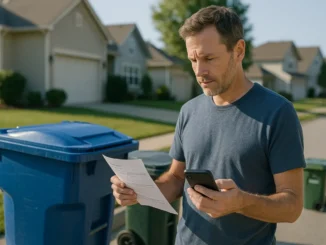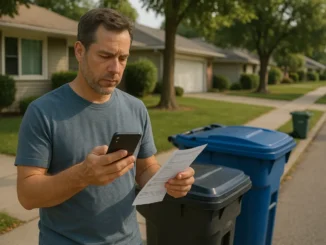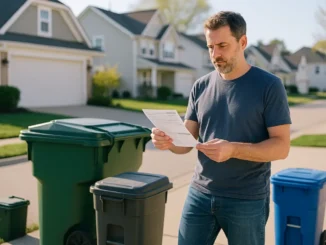
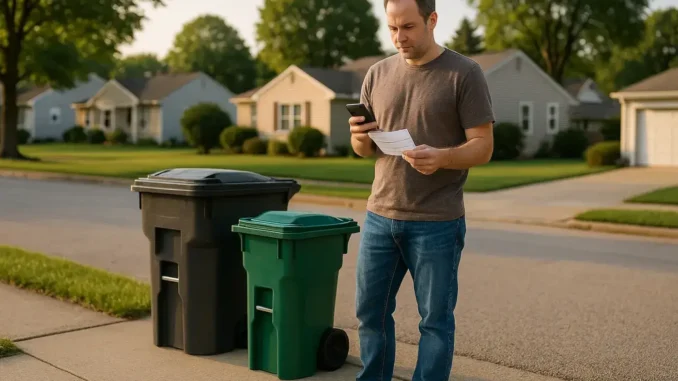
If your trash pickup bill keeps inching up while your bin somehow still feels half empty, you are not imagining things. Rising collection fees, extra service charges, and paying for more capacity than you actually need can quietly drain your budget month after month.
The good news is that there are real ways to lower trash bills without turning your house into a recycling science project. A few small changes can help you save money on garbage collection, especially if you pay attention to how much you throw away and what your local service actually includes.
Why Trash Pickup Costs Add Up So Fast
Trash service is one of those bills people set on autopilot and forget about. That is exactly why it tends to creep higher over time, especially when cities raise rates or private companies add fuel surcharges and administrative fees.
If you are paying for a large cart, extra pickups, or add-ons you do not really use, you may be spending more than necessary. The trick is to match your service to your actual household needs instead of just accepting the default.
Downsize Your Bin and Match Service to Your Needs
One of the easiest ways to reduce waste costs is to request a smaller bin if your current one is oversized. Many municipal trash services and private haulers offer different cart sizes, and the price difference can be meaningful over a year.
For example, switching from a large cart to a medium one can save a household $5 to $15 per month in some areas. That may not sound huge at first, but it adds up to $60 to $180 a year for a change that usually takes one phone call.
If you are rarely filling your bin before pickup day, a smaller cart is probably a smart move. Less space can also encourage you to toss less and sort more carefully, which helps your wallet in another sneaky little way.
Reduce Waste at Home to Avoid Overage Fees
When trash spills out of the cart or sits beside it, some companies charge overage fees or refuse pickup altogether. That makes reducing household waste one of the most practical ways to save money on garbage collection.
Start by being more selective about what actually goes in the trash. Recycle clean cardboard, paper, metal cans, and eligible plastics according to your local guidelines, since those items should not be taking up paid trash space in the first place.
Composting is another easy win, especially if your kitchen waste fills bags fast. Food scraps, coffee grounds, and yard waste can often be composted instead of tossed, which cuts down on weekly trash volume and bad smells. Not a bad trade.
Avoid Extra Pickup Charges and Add-Ons
Some trash companies charge extra for overflow bags, bulky items, holiday pickups, or a second bin. If you are trying to lower your trash bill, it helps to know exactly which services are optional and which are baked into your plan.
Before setting out extra bags, check whether you can hold bulky items for a scheduled bulk pickup or drop them off at a local transfer station. Paying a little attention here can keep you from getting hit with surprise charges that feel small on paper but annoying in real life.
If you only need occasional extra pickup, compare the cost of one-time service versus upgrading your regular plan. Sometimes paying once in a while is cheaper than locking yourself into a higher monthly rate all year.
Compare Private Haulers if You Have the Choice
If you live in an area with private trash collection companies, do not assume the first quote is the best one. Rates can vary a lot based on pickup frequency, cart size, recycling service, and whether the company includes taxes and fees upfront.
Get at least two or three quotes if possible and compare the total monthly cost, not just the base price. A lower advertised rate can look great until the fuel surcharge and admin fee show up like unwanted guests at the door.
If neighbors in your area use the same hauler, ask what they are paying and whether they have had good service. Real-world feedback can be more useful than any shiny brochure.
How to Review Your Trash Bill and Ask for Changes
It is worth taking a close look at your bill at least once a year. Review the line items for base service, cart rental, fuel surcharges, taxes, administrative fees, and any extra pickup charges that do not look familiar.
When to Request a Smaller Bin or Reduced Service
If your trash cart is never full, call and ask whether a smaller bin or less frequent service is available. Many municipal trash services have set rules, but some do allow changes if you explain that your household does not need the current level of service.
Private companies may be even more flexible, especially if you are willing to commit to recycling more or reducing pickup frequency. It never hurts to ask, and the worst answer is usually just no.
How to Question or Remove Extra Charges
When a fee looks odd, ask the company to explain it in plain English. You are not being difficult by asking what a surcharge covers, and you may find a charge that can be removed, reduced, or avoided next month.
If you see an add-on you never requested, say so directly and politely. Billing mistakes happen, and companies are often more willing to adjust a bill when a customer catches the issue quickly.
Sharing Service With Neighbors Can Cut Costs
In some neighborhoods, especially rural or semi-rural areas, neighbors can share a dumpster or coordinate bulk service if local rules allow it. Splitting the cost can be an easy way to lower trash bills, especially if both households produce relatively little waste.
This works best when everyone is on the same page about pickup days, bin use, and what belongs in the container. A simple agreement can prevent headaches and keep the arrangement fair.
Municipal Trash Services vs Private Collection
City-provided service often comes with standard rates and fewer shopping options, but it may also be more predictable. Private haulers usually offer more flexibility, which can be helpful if you want to negotiate, change pickup frequency, or bundle recycling service.
Either way, do not assume you are stuck with your current setup. A little comparison shopping, plus a few habits like recycling and composting, can make a noticeable difference in your monthly trash costs.
Frequently Asked Questions
Can I ask for a smaller trash bin?
Yes, in many areas you can request a smaller cart or reduced service if your current setup is more than you need. Check with your city or private hauler to see what options are available.
Does recycling really help lower trash costs?
It can, especially if your service charges by bin size, overflow, or extra pickup. Recycling reduces the amount you throw away, which can help you avoid higher fees.
Is composting worth the effort?
For many households, yes. Composting cuts down on food waste, keeps trash bags lighter, and can reduce the number of overflow problems.
What should I look for on my trash bill?
Check for the base rate, fuel charges, taxes, cart rental, and any extra service fees. If something looks unfamiliar, ask the company to explain it.
The easiest savings usually come from using less service than you are paying for. Trim the waste, check the bill, and choose the pickup plan that fits your household instead of the other way around.