If you have opened your utility bill lately and felt a little sick to your stomach, you are not alone. The good news is that you can cut your electric bill fast with smart home habits, and you do not need a full house makeover to do it. A few simple changes in how you heat, cool, light, and power your home can help lower electricity bill pain pretty quickly.
The trick is not one giant fix. It is a handful of small moves that reduce energy costs every day, especially in the parts of the home that quietly drain power when nobody is paying attention.
Start by Cutting Standby Power
One of the easiest ways to save electricity at home is to stop paying for devices that look off but are still sipping power. These are the usual suspects: TVs, gaming consoles, coffee makers, chargers, printers, and anything with a glowing clock or standby light.
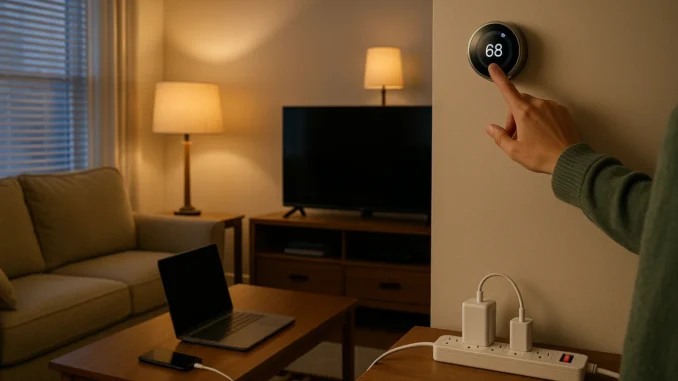
The U.S. Department of Energy says standby power can account for a noticeable chunk of home energy use. The fix is simple. Plug these items into a power strip and switch it off when not in use, or unplug chargers once your phone is done. It sounds small, but homes can save roughly 5% to 10% on energy use by tightening up these little leaks.
Use Smart Plugs Where It Makes Sense
Smart plugs are handy for lamps, fans, and entertainment centers. Set them on a schedule so devices turn off automatically at night or when you are away. That way, your home stops burning electricity just because someone forgot to flip a switch. Happens to the best of us.
Adjust Your Thermostat for Real Savings
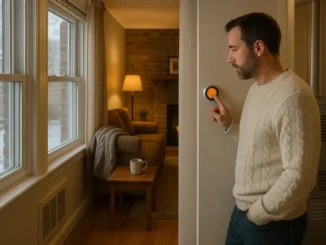
Heating and cooling usually take the biggest bite out of the electric bill, so this is where smart habits really pay off. If you have central air or a heat pump, even a small thermostat adjustment can matter.
Energy Star recommends setting the thermostat a few degrees higher in summer and a few degrees lower in winter when you are asleep or away. As a rule of thumb, changing the setting by about 7 to 10 degrees for 8 hours a day can save around 10% a year on heating and cooling costs. If that feels too aggressive, start smaller and work up.
Use Fans the Smart Way
Ceiling fans do not actually lower the room temperature, but they make you feel cooler. That means you can often raise the thermostat a bit without feeling like you are melting. In winter, reversing the fan direction can help move warm air down from the ceiling.
Save Electricity at Home With Better Lighting
Lighting is one of the easiest places to trim waste. If you still have old incandescent bulbs, swapping them for LEDs is one of the fastest wins in the house. LED bulbs use about 75% less energy and last much longer, which is good for your bill and your patience.
Just as important, build habits around the lights you already have. Turn off lights when leaving a room, use task lighting instead of lighting the whole house, and make the most of daylight when it is available. Sunlight is still free, which is rare and refreshing these days.
Pick Energy-Efficient Appliances When You Replace Old Ones
You do not need to replace every appliance tomorrow, but when something wears out, choose a model that is designed to use less electricity. Look for ENERGY STAR certified appliances, which are built to meet energy efficiency standards.
Efficient refrigerators, washers, dryers, and dishwashers can all help lower electricity bill pressure over time. For example, an energy-efficient washer can use less water and less power, while a newer fridge can run far more efficiently than a unit from 15 years ago. The savings are not instant, but they add up month after month.
Pay Attention to Time-of-Use Billing
Some utility companies charge different rates depending on the time of day. That is called time-of-use billing, and it can make a big difference if your plan includes it. Electricity is often more expensive during peak hours, usually late afternoon and early evening.
If your utility offers this setup, shift big tasks to cheaper hours when possible. Run the dishwasher, laundry, or EV charging overnight or during off-peak times. It takes a little planning, but the payoff can be worthwhile if you are trying to reduce energy costs without changing your whole routine.
Use Heating and Cooling Less Hard
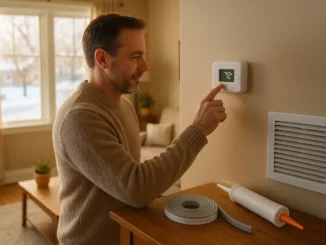
Smart home habits are not only about gadgets. They are also about making it easier for your home to stay comfortable without overworking the system. Seal drafts around windows and doors, close blinds on hot sunny days, and keep air filters clean so your HVAC system does not have to fight for its life.
If you use portable space heaters, use them carefully. They can be useful in one room, but they are not cheap to run. In many cases, it is better to warm the room you are in and keep the rest of the house a little cooler.
Build a Few Habits That Stick
The best way to save electricity at home is to make the easy stuff automatic. Set reminders to check thermostat settings, create a bedtime routine that turns off lights and electronics, and walk through your home once a week looking for waste.
Think of it as a quick bill audit without the paperwork. If a device is always plugged in, always running, or always on standby, it is probably worth a second look. You do not need to live in the dark or sit sweating in your living room. You just need to stop paying for waste.
FAQ
What is the fastest way to lower my electricity bill?
The fastest wins usually come from adjusting the thermostat, turning off standby power, and switching to LED lighting. Those changes are simple and can start showing up on your next bill.
Do smart plugs really save money?
Yes, especially for devices that draw power when not in use. They are most useful for entertainment systems, lamps, and chargers.
How much can LED bulbs save?
LEDs can use about 75% less electricity than incandescent bulbs. They also last much longer, which cuts replacement costs.
Is time-of-use billing worth watching?
If your utility uses peak and off-peak rates, yes. Running major appliances during cheaper hours can help reduce energy costs without changing your lifestyle too much.
Start with one or two changes this week, then build from there. The smaller habits are often the ones that keep paying you back, month after month, which is exactly what you want when the electric bill shows up looking way too confident.