If your monthly statement keeps creeping up, you’re probably looking for ways to lower electricity bill costs without turning your house into a cave. The good news is that small changes around the home can save electricity at home faster than most people expect. And no, you do not need to start washing dishes by flashlight.
Start With the Biggest Energy Drains
One of the sneakiest ways to waste power is standby energy, sometimes called vampire power. TVs, game consoles, chargers, printers, and coffee makers often sip electricity even when they are not in use. The U.S. Department of Energy says standby power can account for 5% to 10% of a home’s electricity use, which is enough to matter.
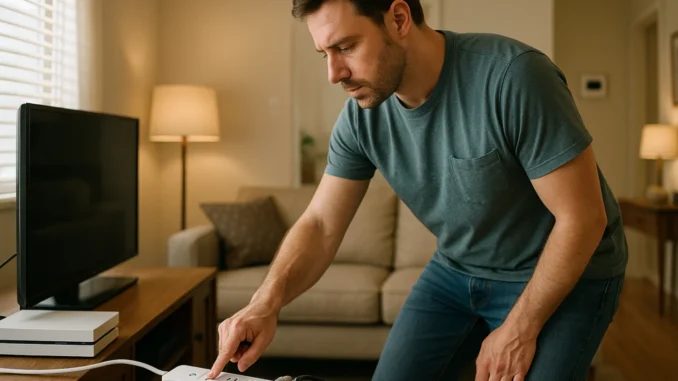
Cut standby power with simple habits
Unplug devices you rarely use, or plug them into a power strip you can switch off at night. Smart power strips make this even easier because they cut power automatically when a device goes idle. If you have a media center with several gadgets, this one change alone can save money every month.
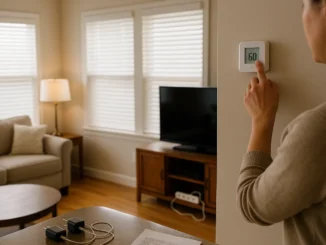
Adjust Your Thermostat to Reduce Energy Costs
Heating and cooling usually take the biggest bite out of a utility bill, so this is where many households can get the fastest savings. In general, setting your thermostat back 7 to 10 degrees for 8 hours a day can save up to 10% a year on heating and cooling costs. That is one of the simplest ways to reduce energy costs without giving up comfort.
Use your schedule to your advantage
In winter, wear a sweatshirt before cranking up the heat. In summer, use fans to help rooms feel cooler and raise the thermostat a little when you are away or asleep. A ceiling fan uses far less electricity than air conditioning, and that small boost can keep you comfortable without making your meter spin like it is training for a race.
Switch to LED Lighting and Better Habits
Lighting is one of the easiest places to save electricity at home because the fix is simple and cheap. LED bulbs use at least 75% less energy than old incandescent bulbs and can last much longer. If you still have a few old bulbs hanging on, they are basically burning cash for ambiance.
Start with the rooms where lights stay on the longest, like the kitchen, living room, and porch. Also make it a habit to turn off lights when you leave a room, and let daylight do some of the work when possible. The savings may not feel dramatic overnight, but over a year they add up nicely.
Use Energy-Efficient Appliances the Smart Way
If it is time to replace an old appliance, look for ENERGY STAR models. Depending on the appliance, efficient models can use 10% to 50% less energy than older versions. That matters most for refrigerators, washers, dryers, and dishwashers, which run often and quietly drain your budget in the background.
Even without buying anything new, you can squeeze more value from the appliances you already own. Wash clothes in cold water, run full loads in the dishwasher, and clean your dryer lint trap after every load. These are small tasks, but they help machines run more efficiently and can reduce wear over time.
Pay Attention to Time-of-Use Billing
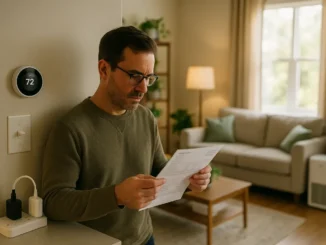
Some utilities charge more during peak hours, usually late afternoon and early evening when demand is highest. If you are on a time-of-use plan, running the dishwasher, laundry, or dryer at night can lower your bill. It is worth checking your utility account because a simple schedule change can beat a lot of fancy gadgets.
If your provider offers a usage chart, take a look. You may spot expensive habits you did not even know were costing extra. The goal is not to live by the clock, just to move the biggest energy users into cheaper time slots when possible.
Make Heating and Cooling Work Less
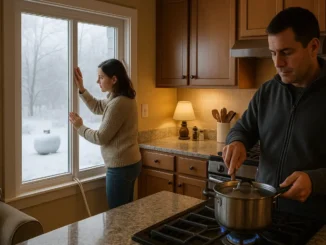
A few home maintenance basics can make a real difference. Replace or clean HVAC filters regularly, keep vents clear, and seal obvious drafts around windows and doors. When your system does not have to fight dirty filters or leaky air, it uses less energy and usually lasts longer too.
During hot months, close blinds on sunny windows in the afternoon. In winter, let sunlight in during the day and close curtains at night to help hold in heat. These little habits sound almost too simple, but simple is often where the best savings live.
Frequently Asked Questions
How much can I save by unplugging devices?
It depends on how many devices you have, but standby power can account for 5% to 10% of a home’s electricity use. In a busy household, that can mean noticeable savings over the course of a year.
Are LED bulbs really worth it?
Yes. LEDs use much less electricity and last far longer than traditional bulbs, so the upfront cost usually pays off quickly.
What thermostat setting is best for saving money?
There is no perfect number for every home, but a small setback when you are asleep or away can help lower heating and cooling costs. The biggest savings usually come from using less HVAC when no one needs the house at full comfort.
Should I replace old appliances right away?
Not always. If an appliance still works well, use it wisely and wait until replacement makes financial sense. When you do buy new, ENERGY STAR models are usually a better bet for long-term savings.
The easiest way to lower electricity bill stress is to treat your home like a system instead of a collection of random gadgets. Cut standby power, use thermostats and lighting more intentionally, and shift heavy appliance use when your utility rates are lower. Do a few of these this week, and you may be surprised how quickly the savings start showing up.