If you want to cut your gas bill fast, start with the parts of your home that quietly waste money every day. Rising natural gas and propane prices can make winter heating feel like a bad joke, but a few simple changes can lower gas bill pressure without making your house uncomfortable.
The best part is that most of these fixes are easy, affordable, and realistic. You do not need a full remodel to reduce heating costs. Small moves like sealing drafts, adjusting thermostat habits, and using hot water more wisely can make a real difference by your next billing cycle.
Seal Drafts and Keep Warm Air Inside
One of the fastest ways to save money is to stop heated air from slipping outside. The U.S. Department of Energy has long pointed out that air leaks around doors, windows, attic openings, and basement cracks can drive up energy use.
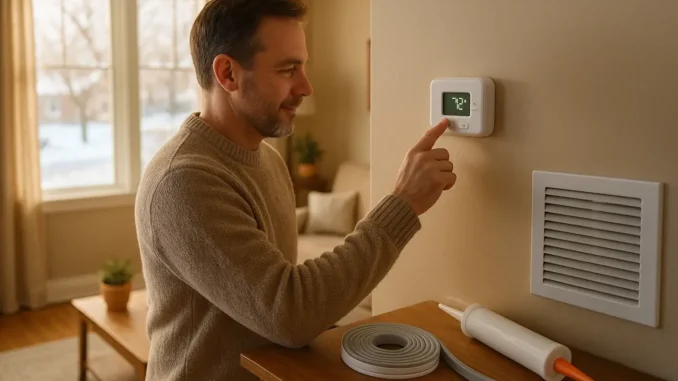
Start by feeling around window frames and exterior doors on a windy day. If you notice cold air moving in, use weatherstripping, caulk, or a simple door sweep to close the gap. Even cheap fixes can help your furnace or boiler work less, which is good for your comfort and your wallet.
Do not forget the easy stuff like closing fireplace dampers when not in use and checking the attic hatch. A little attention here can save propane or natural gas month after month, especially in older homes.
Use Smart Thermostat Habits to Lower Gas Bill Costs
Your thermostat is one of the most powerful tools you have. Set it a few degrees lower when you are asleep or away from home, then wear an extra layer if needed. That small change can reduce heating costs without turning the house into a walk-in cooler.
If you have a programmable or smart thermostat, let it do the heavy lifting. Set a schedule that warms the house before you wake up and eases back when nobody is home. The key is consistency, because constant manual adjusting usually leads to more energy use, not less.
A good rule of thumb is to keep the house as cool as you comfortably can in winter. Even a modest drop can add up over a full month, especially during the coldest part of the season.
Maintain Furnaces and Gas Appliances for Better Efficiency
Gas furnaces, water heaters, dryers, and other appliances work harder when they are dirty or neglected. Replace furnace filters regularly so the system can move air without straining. A clogged filter is a small problem that can turn into a bigger utility bill before long.
It also helps to schedule an annual tune-up for your furnace or boiler. A technician can catch small issues before they become expensive repairs. If your system runs smoothly, it usually uses less fuel and heats your home more evenly.
For propane users, check that tanks, regulators, and appliance connections are in good shape. If a burner flame looks weak or uneven, do not ignore it. A simple service call can help prevent wasted fuel and reduce the chance of a bigger problem later.
Reduce Hot Water Use and Save More on Gas
Hot water is often one of the biggest hidden energy costs in a home. If your water heater uses gas or propane, every long shower and hot laundry load adds to the bill. That means small changes here can pay off fast.
Try lowering your water heater temperature to 120 degrees Fahrenheit if it is safe for your household. Shorter showers, fixing dripping faucets, and washing clothes in cold water when possible can also help. You may not notice much difference in comfort, but you may notice the lower bill.
If you have an older water heater, wrapping it with an insulating blanket may help hold heat better. Just be sure to follow the manufacturer’s instructions, especially around vents and controls.
Cook Efficiently With Gas or Propane
Cooking does not usually cost as much as heating, but smart habits still help. Use lids on pots so food heats faster, and match the burner size to the pan so you are not wasting flame around the edges.
When possible, use smaller appliances like a toaster oven, slow cooker, or microwave for quick meals. For propane users who cook indoors or outdoors, this can save fuel while keeping mealtime simple. It is not about giving up the grill forever. Nobody is asking for that kind of sacrifice.
If you use propane for outdoor cooking or a patio heater, track how often you use it. A simple notebook or phone note helps you spot patterns and budget better before the tank runs low.
Manage Propane Refills and Track Usage
Propane costs can feel unpredictable because prices and refill timing change. One practical way to save is to monitor tank levels before they get too low. Emergency refills are rarely the bargain of the century.
Call around before you need a refill, especially if your supplier offers different delivery rates. If your home uses propane for heating, cooking, or a water heater, keep a simple usage log during cold months. That makes it easier to compare bills, spot waste, and plan ahead.
If you can choose delivery timing, avoid waiting until the tank is nearly empty during peak winter demand. Planning ahead helps you avoid rushed charges and keeps your home running without interruption.
FAQ
How much can simple home changes really save?
It depends on your home, your fuel source, and your local gas prices, but small changes can add up fast. Many households can save noticeable money each month in winter by sealing leaks, lowering the thermostat a bit, and cutting hot water use.
What is the fastest fix if I want to lower my gas bill now?
Start with drafty doors and windows, then adjust the thermostat by a few degrees. Those two moves are quick, inexpensive, and often deliver the most immediate results.
Is propane harder to manage than natural gas?
It can be, mostly because you need to watch tank levels and schedule refills. The upside is that tracking usage closely gives you more control over when and how you buy fuel.
Should I turn my thermostat way down at night?
Not necessarily. A small setback is usually enough. If your home drops too low, it may take more energy to warm back up, so aim for a comfortable balance.
Do I need expensive upgrades to reduce heating costs?
No. Many of the best savings come from low-cost habits and basic maintenance. Before spending big money, squeeze out the easy savings first.
If your gas bill has been creeping up, do not wait for a perfect solution. Pick two or three of these changes today, like sealing a draft, lowering the thermostat a little, and trimming hot water use, then watch your next bill. Small steps will not fix everything overnight, but they can make winter a lot easier on your budget.