Gas bills have a funny way of showing up right when you least want them. If your winter heating costs keep climbing, the biggest gas wasters in your home may be hiding in plain sight, quietly draining money from your budget every month. The good news is that a few simple fixes can help you lower your gas bill without making your house feel like a campsite.
Why Your Gas Bill Keeps Going Up
In many U.S. homes, natural gas is used for heating, hot water, cooking, and sometimes clothes drying. If even one of those systems is working harder than it should, your bill can jump fast. Propane users see the same thing, especially when tanks need frequent refills during cold weather.
Before you start worrying about a major repair, look for the everyday stuff first. Drafty rooms, an overworked thermostat, and wasteful hot water habits are often the easiest ways to reduce heating costs.
Seal Drafts and Keep Warm Air Where It Belongs
Leaky windows, worn door seals, and gaps around pipes can let warm air slip out and cold air creep in. That means your furnace or propane heater has to run longer just to keep the house comfortable.
Weatherstripping, caulk, and foam sealant are inexpensive fixes that can pay off quickly. The U.S. Department of Energy has long pointed out that sealing air leaks and improving insulation are among the best ways to save energy at home.
If you live in an older house, check the attic, basement, and attic hatch too. Those are common places for hidden heat loss, and even a small improvement can make your home feel noticeably cozier.
Use Your Thermostat Smarter
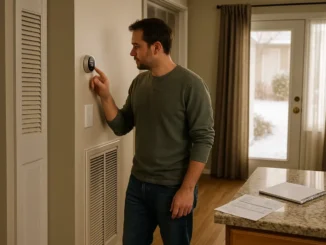
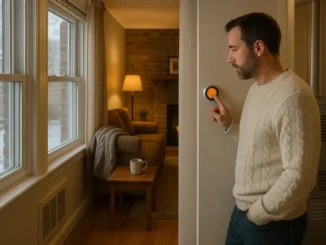
One of the simplest ways to save on propane or natural gas is to stop heating an empty house like someone is always home. A programmable or smart thermostat can automatically lower the temperature while you are at work or asleep.
Even a small adjustment helps. Lowering the thermostat by 7 to 10 degrees for 8 hours a day can trim heating costs over the course of a season, especially in colder states where the furnace gets a workout.
Still, comfort matters. Set it to a level that works for your family, then adjust in small steps. You are looking for the sweet spot where the house feels good and your gas bill does not make you wince.
Maintain Furnaces and Gas Appliances Regularly
A dirty or neglected furnace uses more energy than it should. Replacing filters, keeping vents clear, and scheduling routine maintenance can help your system run more efficiently and last longer.
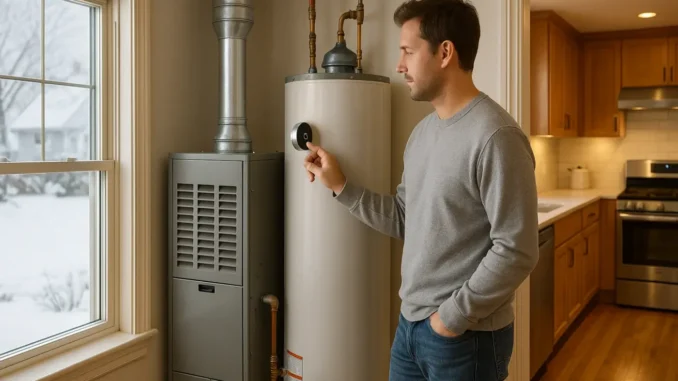
Gas water heaters, ovens, and dryers also deserve attention. If a burner flame looks weak, yellow, or uneven, that can be a sign something needs to be checked. It is better to fix a small issue now than pay for wasted fuel all season.
For propane systems, make sure your tank, regulator, and lines are inspected as recommended. A little upkeep goes a long way when you are trying to avoid surprise costs.
Cut Hot Water Waste Before It Adds Up
Hot water is often one of the sneakiest gas wasters in the home. Long showers, hot laundry cycles, and a water heater set too high all burn through fuel faster than most people realize.
Try taking shorter showers and washing clothes in cold water when possible. You can also lower the water heater temperature to 120 degrees Fahrenheit, which is usually hot enough for daily use and easier on your utility bill.
If your water heater is old, insulating the tank and hot water pipes may help reduce heat loss. It is a small project, but it can make a noticeable difference over time.
Cook Efficiently With Gas or Propane
Cooking with gas can be efficient, but it is still easy to waste fuel if you are heating more than you need. Use the right size burner for the pan, keep lids on pots, and avoid turning the flame higher than necessary.
If you use propane for cooking, plan ahead so you are not paying extra for rushed deliveries or emergency refills. Tracking your tank level regularly helps you spot patterns and avoid running low at the worst possible time.
Small habits matter here too. Preheating the oven only when needed and avoiding long cook times for foods that can be prepared in smaller appliances can help trim usage without changing your routine too much.
Track Propane Usage and Refills
Propane users often lose money simply by not watching consumption closely. If your tank seems to empty faster than expected, keep notes on weather, appliance use, and refill timing so you can spot trends.
Buying propane before peak winter demand can sometimes help you avoid higher prices. It also gives you more control, which is always nice when fuel costs are bouncing around.
Ask your supplier how pricing works, whether there are delivery fees, and if automatic delivery actually saves money in your area. The best choice is not always the same for every household.
Realistic Savings Add Up Fast
You do not need a whole-home overhaul to make a difference. Sealing a drafty door, lowering the thermostat a few degrees, and cutting back on hot water use can shave real dollars off a monthly gas bill.
For example, a family that reduces furnace runtime, fixes air leaks, and trims water heating could save enough over one winter to cover several grocery runs or a chunk of a propane refill. That is not flashy, but it is exactly the kind of money-saving that sticks.
Frequently Asked Questions
What is the biggest gas waster in most homes?
Heating is usually the largest gas expense, especially in cold climates. Drafts, poor insulation, and an inefficient thermostat setting often make it worse.
How can I lower my gas bill without spending a lot?
Start with low-cost fixes like sealing air leaks, replacing furnace filters, lowering the water heater temperature, and using a programmable thermostat. These are simple changes that can reduce heating costs without a big upfront investment.
Is propane more expensive than natural gas?
It depends on where you live and how your home is set up. Propane usually costs more per unit than natural gas, so it is especially important to track usage and avoid waste.
How often should I service gas appliances?
Once a year is a smart rule for furnaces and water heaters, though some equipment may need different care. Regular maintenance helps keep things efficient and can catch problems early.
Will turning the heat down really save money?
Yes, especially when you do it consistently. Even a small temperature drop can lower heating costs over time, and a smart thermostat makes that habit easier to stick with.
If your gas bill has been creeping up, start with the easiest fixes first and work your way down the list. A few practical changes today can help you save on propane or natural gas all season long, and your budget will feel the difference before long.