If your winter energy bills keep creeping up, you are not imagining it. Reducing your home gas costs can feel like a moving target when natural gas prices, propane deliveries, and cold snaps all show up at once. The good news is that you do not need a full remodel to lower your gas bill. A few smart habits and a couple of cheap fixes can make a real difference.
Start with the biggest leaks in your home
Before you touch the thermostat, look for the easy wins. Drafts around windows, doors, attic hatches, and basement rim joists let warm air escape and force your furnace to work harder. Weatherstripping and caulk are inexpensive, and they often pay for themselves quickly.
If your home feels chilly even when the heat is running, insulation may be the real issue. Adding insulation in the attic is one of the most effective ways to reduce heating costs because heat rises and escapes fast from the top of the house.
Quick fixes that help right away
Use door sweeps, outlet gaskets on exterior walls, and plastic window film in drafty rooms. These are not glamorous upgrades, but they can make a noticeable difference during a long heating season.
Use your thermostat like a money-saving tool
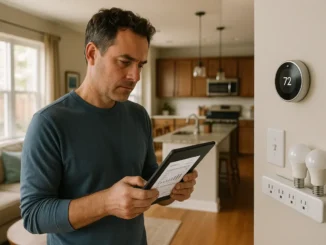
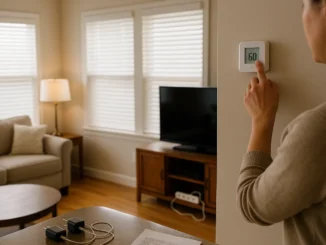
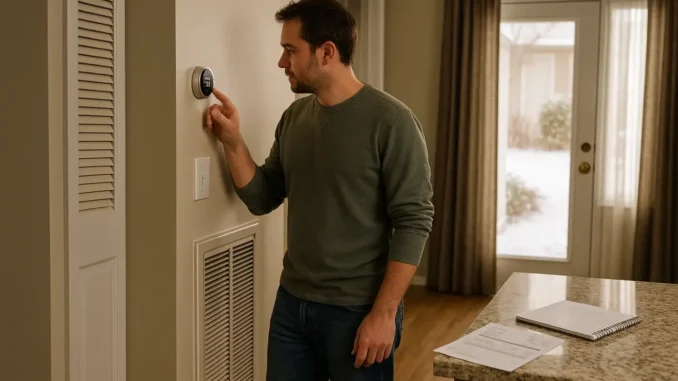
One of the easiest ways to lower gas bill pressure is to adjust your thermostat a little more wisely. The U.S. Department of Energy says lowering the heat by 7 to 10 degrees for 8 hours a day can trim heating costs by about 10% a year in many homes.
That does not mean you need to freeze through dinner. Try lowering the temperature at night or when nobody is home, then setting it a little higher only when you are awake and active.
Smart thermostat habits that work
If you already have a programmable or smart thermostat, set a schedule and stick with it. Constantly turning the heat up and down by hand usually wastes more energy than people think. Small, steady changes are easier on the system and easier on your wallet.
Keep furnaces and gas appliances in good shape
Even a well-built furnace gets less efficient when filters are dirty or parts are worn. Change filters regularly, and schedule a professional tune-up before the coldest months hit. A clean system uses less gas and is less likely to break down when you need it most.
The same goes for gas water heaters, stoves, and fireplaces. A pilot light that burns all the time or a burner that does not light cleanly can waste fuel over time. If something smells off or flames look weak, it is worth getting it checked.
Simple maintenance that saves money
Keep vents clear, vacuum dust from around appliances, and make sure flues are working properly. These habits do not take long, but they help your equipment run the way it should.
Cut hot water use to reduce heating costs
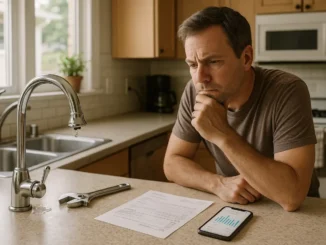
Hot water is a sneaky gas expense because many homes use natural gas or propane to heat it. Shorter showers, cooler laundry settings, and fixing drippy faucets can all reduce demand. The less hot water you use, the less your water heater has to work.
Setting the water heater to 120 degrees Fahrenheit is often enough for everyday use and can save energy without making life uncomfortable. If you run a dishwasher, use it only when full and skip the extra rinse cycle unless you really need it.
Cook efficiently with natural gas or propane
Cooking may not be your largest gas expense, but it still adds up, especially in busy households. Use lids on pots so food heats faster, match the burner size to the pan, and turn off the flame a minute or two early when something can finish with residual heat.
For propane users, every little bit matters because you are paying for delivered fuel. Batch cooking can help, since one long cooking session is usually more efficient than several short ones spread through the week.
Small kitchen habits that help
Keep oven doors closed while baking, and avoid preheating longer than necessary. If you are reheating something small, the microwave or toaster oven may use less energy than firing up a full-size oven.
Tips to save on propane without guessing
Propane costs can feel unpredictable, so tracking usage is a smart move. Check your tank level regularly and keep a simple log of refill dates and amounts. That makes it easier to spot waste, compare seasonal use, and avoid emergency deliveries that usually cost more.
If your provider offers automatic delivery, make sure the schedule matches your actual usage. Overfilling can be expensive, but running too low can force a rush order. A little tracking can save on propane and help you plan ahead.
Another practical idea is to compare delivery options before the heating season starts. Some households save money by ordering when prices are lower instead of waiting until the first cold snap hits everyone at once.
Build habits that lower gas costs all year
The best way to manage home gas costs is not one magic trick. It is a mix of small habits that work together. Seal the leaks, tune up the equipment, use less hot water, and run the thermostat with purpose instead of habit.
Those steps may not sound dramatic, but they can add up to real savings. A household that trims heating use by even 5% to 10% can often feel the difference on the next bill, especially during a long winter.
FAQ: Home Gas Cost Savings
What is the fastest way to lower my gas bill?
Start with draft sealing and thermostat settings. Those are usually the cheapest changes and often give the quickest payoff.
How often should I service my furnace?
Once a year is a good rule for most homes. A fall tune-up helps catch problems before heating season gets serious.
Does turning the heat off completely save more money?
Not usually. Letting the house get too cold can lead to bigger recovery costs and a less comfortable home. A modest setback is usually the better choice.
How can I tell if I am wasting propane?
Watch your refill schedule, compare monthly usage, and look for unusually fast drops in tank level. If your use suddenly rises, check for leaks, poor insulation, or appliance issues.
Start with the cheapest fixes first, track what changes on your next bill, and build from there. A few steady habits can make home gas costs much easier to manage without giving up a warm house, hot showers, or a decent dinner.