If you’re trying to lower your monthly trash bill, the good news is that you usually do not need a dramatic lifestyle makeover. A few small changes at home can cut waste, reduce overage fees, and help you pay only for the garbage service you actually use. With trash costs creeping up in many places, trimming even a few dollars a month can add up fast.
Why Trash Costs Keep Going Up
Trash service is one of those bills people rarely think about until it jumps. Municipal programs may raise rates to cover fuel, labor, and disposal costs, while private trash collection companies often add fees for bins, extra pickups, or bulky items.
That is why reducing trash volume matters. The less you throw away, the less likely you are to need a larger bin, extra service, or surprise charges that make your bill feel bigger than it should be.
Cut Down the Amount of Trash You Create
The easiest way to reduce waste costs is to start with what goes into the can. Think about food scraps, packaging, paper goods, and items you buy on repeat without really using up.
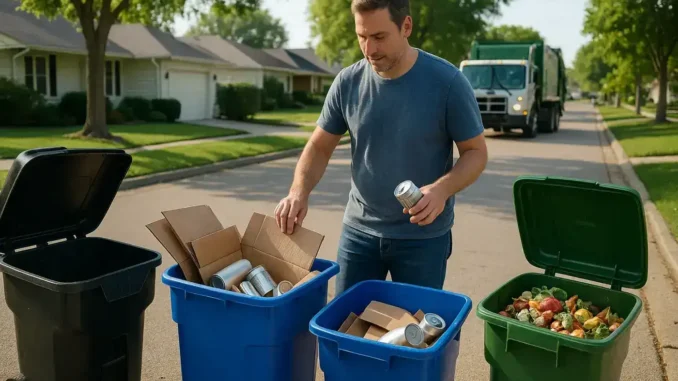
For starters, recycle correctly. Clean cardboard, paper, cans, and accepted plastic items should go in the recycling cart, not the trash. If you toss recyclables into the garbage, you are literally paying to throw away materials that could have reduced your trash volume.
Compost Food Waste When You Can
Food waste takes up a surprising amount of space in a trash bin. Coffee grounds, fruit peels, eggshells, and vegetable scraps can often be composted at home or through a local composting program.
Even a simple countertop compost bin can make a difference. A family that cuts food waste by just one small kitchen bag a week may avoid overflowing a cart and make room to downsize service over time.
Buy Less Packaging and Toss Less Stuff
Smart shopping helps more than people think. Buying in bulk, choosing refillable products, and avoiding single-use items can shrink your garbage without much effort.
If you can swap paper towels for washable cloths or choose products with less packaging, your trash can stays lighter. That may not sound exciting, but neither does paying extra for a bigger bin you barely fill.
Choose the Right Trash Service for Your Household
Not every home needs the same level of pickup. A family of five, a single renter, and a retired couple may all have very different trash needs, so the right service depends on how much garbage you actually produce.
If your city offers municipal trash service, ask what sizes are available and how often pickups happen. Many cities let you choose from different cart sizes, and a smaller cart can bring down the monthly charge. If you have private trash collection, compare local haulers before renewing or signing a contract, because pricing and fee structures can vary a lot.
When Downsizing Your Bin Makes Sense
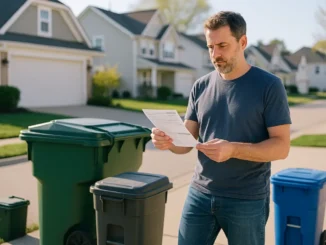
If your trash cart is rarely full, you may be paying for space you do not need. Moving from a large bin to a smaller one can save $5 to $20 per month in some areas, which adds up to $60 to $240 a year.
That switch works best when you already recycle properly and keep food waste out of the garbage. If your can is still half empty on pickup day, there is a good chance you can request a smaller bin or reduced service.
Review Your Trash Bill for Hidden Fees and Add-Ons
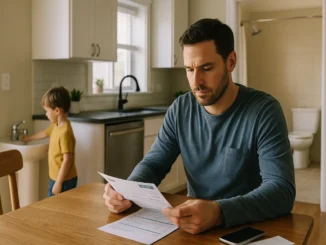
Take a close look at your bill before you pay it without thinking. Look for cart rental fees, fuel surcharges, environmental fees, late fees, or extra pickup charges that do not seem familiar.
If you see something questionable, call customer service and ask for a simple explanation. Be polite, but specific. You can ask whether a fee is required, whether it can be removed, or whether you were billed for a service you did not use. Sometimes that one call is enough to fix a mistake or cut a charge that was added automatically.
Ask for a Smaller Cart or Reduced Service
For municipal service, your city or county may allow you to change cart size once or twice a year. Private haulers may also offer smaller bins, less frequent pickups, or seasonal service for households that produce less waste part of the year.
Before you ask, check your recent trash habits. If the cart is not full by pickup day, bring that up when you call. A simple explanation like, “We have been consistently using less trash, and we want to reduce our service level,” is often enough to get the conversation started.
Ways to Save Money on Garbage Collection Without Sacrificing Convenience
There are a few other easy ways to save money on garbage collection. If your area allows it, sharing service with a neighbor or splitting a large cart between two households can reduce costs for both sides. This works best for close neighbors who already coordinate well and have similar pickup needs.
Also, avoid extra pickup charges by planning ahead for big cleanouts. If you know you will have yard waste, boxes, or bulky items, check whether your city offers free bulk pickup days or whether your hauler includes certain items at no extra cost. Paying a surprise pickup fee of $15 to $30 once a month can erase the savings from everything else you are doing.
Real-World Savings Add Up Faster Than You Think
Small changes can create real savings over a year. For example, cutting one extra trash bag a week, switching to a smaller cart, and avoiding a single add-on fee each month could save a household well over $100 annually.
That may not sound huge at first, but it is money you keep by being a little more intentional with what you toss. And unlike a lot of bills, trash service is one expense where a few practical habits can make a noticeable difference pretty quickly.
Frequently Asked Questions
Can I lower my trash bill if I live in a city with municipal service?
Often, yes. Many cities offer different cart sizes or reduced service options, so it is worth checking with your local sanitation department.
How do I know if I am overpaying for private trash collection?
Compare your bill with other local haulers and look closely at fees. If another company offers the same pickup schedule for less money, you may have room to switch or negotiate.
Does recycling really help reduce waste costs?
It can, especially if your trash service charges by cart size or adds fees for overflow. Recycling keeps usable material out of the garbage and can help you avoid needing a larger bin.
What is the easiest way to cut trash at home?
Start with food waste and packaging. Compost what you can, recycle correctly, and buy products with less packaging so your trash fills up more slowly.
Lowering your trash bill usually comes down to using less, sorting smarter, and paying attention to what your service actually includes. Check your bill, trim the extras, and ask about a smaller bin if your cart is not filling up. A few small changes can keep more money in your pocket every month, and that is a pretty good reason to take out the trash a little more strategically.