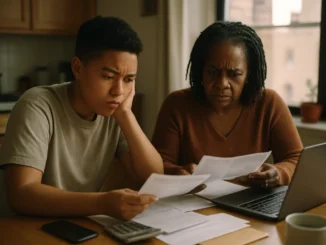

In recent U.S. housing research, single women have emerged as a major slice of Gen Z homebuyers, accounting for 35% of buyers in that generation, but many are closing on homes without basic estate planning documents. The gap matters because a house is often the largest asset these buyers own, and without a will, power of attorney, or healthcare directive, state law can take over if the owner dies or becomes incapacitated.
Why the buying pattern matters
Gen Z typically refers to Americans born between 1997 and 2012, though most current homebuyers in the cohort are in their 20s and early 30s. That age group is buying later than past generations, often while carrying student debt, high rents, and tighter savings, which makes a first home both a milestone and a financial concentration point.
Single women are also making housing decisions without a spouse who would automatically inherit or help manage assets. That leaves title, insurance, mortgage obligations, and succession planning resting on one person.
The estate-planning gap is wider than it looks
Estate planning is often treated as a concern for older adults or wealthy households. In practice, it applies to anyone who owns property, has bank accounts, or wants to control medical and financial decisions if something goes wrong.
The American Bar Association says a basic plan should include at least a will, a durable power of attorney, and a healthcare directive. Yet Caring.com’s annual estate-planning survey has repeatedly found that only about one-third of U.S. adults have a will, leaving most households exposed to probate delays and state intestacy rules.
For single homeowners, the absence of a spouse makes that gap more visible. If there is no named beneficiary structure or trust, the courts determine who gets the property, which can slow the transfer and trigger disputes among heirs.
Why homeownership raises the stakes
A home is not like a checking account that can simply be closed and transferred. It carries a mortgage, title records, insurance requirements, tax bills, and maintenance obligations that continue even after an owner dies.
If a buyer becomes incapacitated, someone still has to pay the mortgage, talk to the lender, and handle repairs. A financial power of attorney allows a chosen agent to act without going to court, while a healthcare directive names someone to make medical decisions. Without those documents, families may have to ask a judge for authority.
Estate planners also point out that beneficiary designations on retirement accounts and life insurance policies can override a will. That makes coordination important. A homeowner who updates one document but not the others can leave a legal mess behind.
What experts say buyers should review
Attorneys generally recommend that new homeowners check title ownership, update beneficiary forms, and decide whether a simple will is enough or whether a revocable trust makes more sense. The right answer depends on state law, the size of the estate, debt levels, and whether the buyer expects to have children or co-own property later.
That matters for single women because they are more likely to be their own sole decision-maker. They also tend to outlive men on average, according to U.S. life expectancy data from the Centers for Disease Control and Prevention, which increases the odds that they will manage assets alone for a longer stretch of time.
Financial advisers say the goal is not complexity. It is continuity. A simple, current plan can prevent a home from getting tied up in probate at the exact moment relatives need liquidity and clarity.
What this means for readers and the industry
The trend points to a broader shift in first-time homeownership. As single women take on more mortgage debt and build equity earlier, they also need the same legal infrastructure that couples often assume will be handled automatically.
For lenders, real estate agents, and financial advisers, the message is practical. Estate planning can no longer sit outside the homebuying conversation. A closing checklist that covers only financing and insurance misses the question of who controls the property if the buyer cannot.
For readers, the next step is straightforward: confirm who would inherit the home, who could pay bills if the owner were hospitalized, and whether the documents are current after marriage, divorce, a move to another state, or a change in assets. Watch for more platforms to bundle legal tools with mortgage and homeownership services as younger buyers become a larger share of the market.