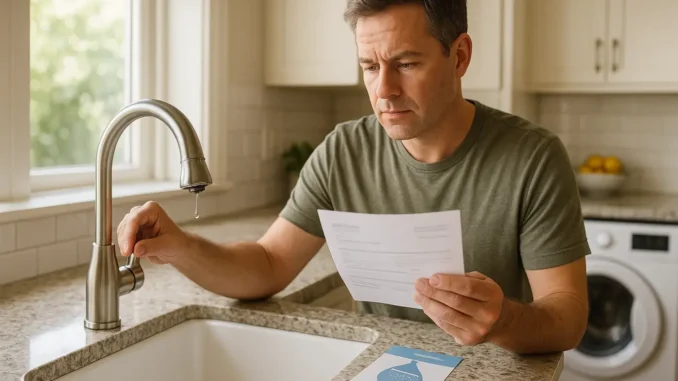
Most people do not notice water waste until the bill arrives and gives them a little jump scare. If you want to save water at home without turning your routine upside down, the good news is that a few small changes can make a real difference in your monthly costs.
In the U.S., water rates vary by city and utility, but leaks, old fixtures, and everyday habits can still add up fast. A slow drip may not look like much, yet it can waste hundreds or even thousands of gallons a year. That is money quietly slipping away, which feels unfair in the most boring way possible.
Why Your Water Bill Can Climb So Fast
Water usage is one of those household expenses that often hides in plain sight. You take a shower, run a load of laundry, water the lawn, and move on with your day. Then the bill shows up and reminds you that all those little choices count.
According to the EPA, household leaks can waste nearly 10,000 gallons of water a year in the average home. Even if your leak is not that dramatic, a running toilet or loose faucet can still push your utility bill higher than it needs to be. The upside is simple. Once you know where the waste is happening, you can lower your water bill without making life harder.
Fix Leaks First for the Biggest Savings
If you only do one thing this week, check for leaks. This is the fastest way to reduce water usage because the savings start the moment the leak stops. It is not glamorous, but neither is paying for water you never used.
Check Toilets, Faucets, and Hoses
Toilets are often the biggest offenders. A silent toilet leak can waste more than 200 gallons a day, and many people do not notice it because there is no puddle on the floor. A simple dye test can help. Drop food coloring into the tank, wait 10 to 15 minutes, and if color shows up in the bowl, you have a leak.
Faucets and showerheads are easier to spot, but do not ignore them. A drip every few seconds can waste around 3,000 gallons a year. Outdoor hoses and spigots deserve a look too, especially after winter when cracks and loose fittings show up like bad surprises from the basement.
Listen for Running Water You Did Not Expect
If nobody is using water and you still hear it running, trust your ears. A quick meter check can help confirm a hidden leak. Turn off all water in the house, then look at the meter. If it keeps moving, something is likely wasting water behind the scenes.
Easy Daily Habits That Reduce Water Usage
Once leaks are handled, daily habits can trim more waste without much effort. These changes are small, but they stack up over time. That is the whole trick here. You are not trying to live like a cabin with one bucket and a dream. You are just being more efficient.
Shorten Showers and Turn Off the Tap
Cutting a shower by two minutes can save several gallons every day. If a family of four does that consistently, the savings can be noticeable over a year. A low-flow showerhead can help too, and many cost around $20 to $40 while paying for themselves over time.
Also, turn off the tap when brushing your teeth or shaving. It sounds almost too simple to matter, but simple is often where the real savings live.
Run Full Loads in the Dishwasher and Washer
Running the dishwasher and washing machine only when full is an easy way to save water at home. Modern efficient appliances use far less water than older models, especially when you are not half-filling them for no good reason. Your socks can wait one more day. They will survive.
If you are shopping for a replacement, look for Energy Star or WaterSense labels. These appliances and fixtures are designed to use less water while still doing the job. That means less waste and a lower water bill over the long haul.
Smart Upgrades That Can Pay You Back
Some upgrades cost a little upfront, but they can save money month after month. If you stay in your home for a while, the payoff can be worth it. Even one or two improvements can reduce water usage in a way that you notice on the bill.
Choose WaterSense Fixtures
The EPA’s WaterSense program is a solid place to start when you want reliable, efficient products. WaterSense showerheads, faucets, and toilets are built to use less water without making your home feel cheap or inconvenient. A high-efficiency toilet, for example, can save thousands of gallons a year compared with older models.
Many utilities also offer rebates for efficient fixtures or appliances. It is worth checking your local utility website before buying anything. A rebate can turn a good upgrade into a very good one.
Read Your Bill Like a Detective
Your water bill can tell you more than the total due. Look at your monthly usage, compare seasons, and see whether a sudden jump lines up with a new leak, more guests, or extra outdoor watering. If your bill has a usage graph, even better. It can make waste easier to spot.
Some utilities also offer usage alerts. If yours does, sign up. A quick text or email can help you catch a problem before it grows into a bigger expense.
Frequently Asked Questions
What is the fastest way to lower my water bill?
Fixing leaks usually gives the quickest payoff. Toilets, faucets, and outdoor spigots are the best places to start because they can waste a lot of water without being obvious.
How can I tell if I have a hidden water leak?
Turn off all water in the house and check the meter. If it keeps moving, you may have a leak. You can also listen for running water when nothing is being used.
Are low-flow fixtures really worth it?
Yes, especially if your current fixtures are older. A low-flow showerhead or WaterSense toilet can reduce water usage right away and save money over time.
Should I ask my utility about rebates?
Absolutely. Many utilities offer rebates for efficient appliances, toilets, and fixtures. It only takes a few minutes to check, and the savings can make an upgrade much easier to justify.
Start with one leak check, one habit change, and one bill review this week. That simple combo can help you save water at home, lower your water bill, and keep more cash in your pocket where it belongs.