If your water bill keeps creeping up and nothing in the house seems different, you are probably not imagining it. A few hidden habits, a tiny leak, or an old fixture can waste more water than most people realize, and that extra use shows up fast on your bill. The good news is that it does not take a full home remodel to save water at home or lower your water bill.
In many U.S. homes, the biggest savings come from small changes that are easy to ignore because they seem too simple to matter. They do matter. A dripping faucet, a long shower, or a toilet that quietly runs all night can waste hundreds or even thousands of gallons a year.
Start with leaks before they drain your wallet
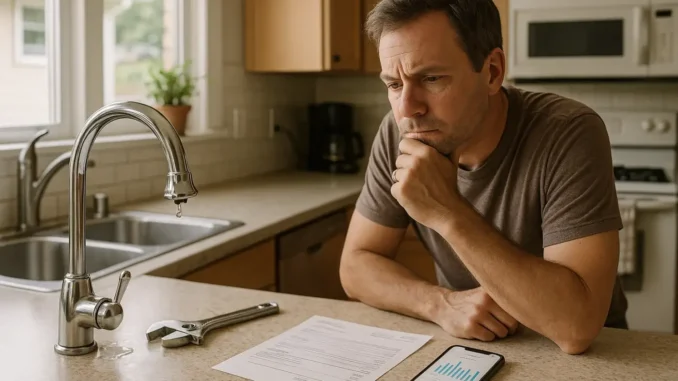
Leaks are the sneaky part of water waste because they do their damage one drop at a time. A faucet that drips once per second can waste around 3,000 gallons a year, which is enough to make your utility bill sigh in disappointment.
Check under sinks, around toilets, behind the washing machine, and near outdoor spigots. If you hear a toilet running when nobody used it, that is a red flag. Toilet flappers are cheap to replace, and a basic repair often costs far less than months of wasted water.
How to find a hidden toilet leak
Add a few drops of food coloring to the toilet tank and wait 15 minutes without flushing. If color shows up in the bowl, water is leaking from the tank into the bowl. That kind of fix can save money quickly and usually does not require a plumber unless the issue is bigger than a worn part.
Easy ways to save water at home every day
Once the obvious leaks are handled, daily habits can make a real difference. Shorter showers, turning off the tap while brushing, and running full loads in the dishwasher and washing machine all help reduce water usage without making life harder.
For example, cutting a shower by just two minutes can save several gallons each time. If one person in the house does that daily, the savings add up over a year. It is not glamorous, but neither is paying for water you never used.
Small habit changes that work
Keep a pitcher of cold water in the fridge instead of letting the tap run until it gets cold. Scrape dishes before washing so you are not running extra rinse cycles. Water lawns early in the morning to reduce evaporation, and skip watering if it has rained recently.
If you hand-wash dishes, fill one basin with soapy water instead of letting the faucet run the whole time. If you have kids, making this a house rule can save water at home fast. Sometimes the family habit change is worth more than the fancy gadget.
Use efficient appliances to lower your water bill
Older appliances can use a lot more water than newer efficient models. A high-efficiency washing machine often uses significantly less water per load than an older top-loader, and that can lead to noticeable savings over time. The same idea applies to toilets, showerheads, and dishwashers.
If your toilet was installed before the early 1990s, it may use far more water per flush than a modern low-flow model. Replacing an old toilet is not the cheapest weekend project, but the savings can add up, especially in busy households. A more efficient showerhead can also trim water use without making your shower feel like a sad drizzle.
What to look for when replacing fixtures
Look for WaterSense-labeled products, which meet EPA efficiency standards. These fixtures are designed to help reduce water usage while still doing the job. If you are already planning a replacement, choosing an efficient model is one of the easiest ways to save money over the long run.
Read your water bill like a detective
Your water bill can tell you a lot more than the amount due. Many utility bills show monthly usage trends, and that history can reveal spikes caused by leaks, guests, lawn watering, or a change in household routine. If your bill suddenly jumps, do not just pay it and move on.
Compare the current bill to the same month last year. Seasonal changes matter, especially in places where outdoor watering increases during summer. If usage is up and nothing obvious explains it, check for leaks before the next bill arrives and costs you even more.
Some local utilities also offer free usage reports or online dashboards. Those tools can help you spot patterns and identify the parts of the home using the most water. A little detective work can save water at home and keep surprise charges from sneaking up on you.
Simple outdoor changes that reduce water usage
Outdoor water use can be a major part of the bill, especially during warm months. Watering less often, using mulch, and choosing drought-tolerant plants can all lower water bill pressure without turning your yard into a dry patch of regret.
Check sprinkler heads for misalignment or leaks. If water is spraying the sidewalk more than the lawn, you are basically paying to water concrete. Grouping plants by water needs can also help you avoid overwatering areas that do not need it.
Using a rain barrel may also help with basic outdoor watering, depending on local rules. Even modest yard changes can reduce water usage enough to notice when the bill arrives.
FAQ
How do I know if my home is wasting water?
Look for running toilets, dripping faucets, damp spots, unusually high bills, or meter activity when nobody is using water. A sudden spike in usage is often the first clue.
What is the fastest way to lower my water bill?
Fix leaks first. A leaking toilet or faucet can waste a surprising amount of water, and repairs are often cheap compared with months of waste.
Do low-flow fixtures really save money?
Yes. Low-flow showerheads, efficient toilets, and WaterSense appliances can reduce water usage enough to show up on your bill over time.
Does taking shorter showers actually matter?
Absolutely. Even cutting two to three minutes from a shower can save a meaningful amount of water each month, especially in larger households.
If you want to keep more money in your pocket, start with the easy wins: fix the leaks, trim a few daily habits, and check your bill for waste before it becomes a habit of its own. The smallest changes are often the ones that quietly save the most.