Trying to trim household expenses? Water tips that lower your monthly bills can make a surprising difference without turning your home into a campsite. A dripping faucet, a running toilet, or a long shower here and there can quietly add up, and nobody wants to pay extra for water they never actually used.
The good news is that you do not need a major remodel to save water at home. A few small changes, plus a quick look at your habits and your bill, can help you reduce water usage and keep more money in your pocket every month.
Start with the leaks that waste the most water
Leaks are the sneaky part of a higher water bill. They often go unnoticed because the water disappears into pipes, drains, or toilets instead of pooling on the floor. That makes them expensive little freeloaders.
The Environmental Protection Agency says household leaks can waste nearly 10,000 gallons of water each year. Even a slow drip can waste hundreds of gallons over time, which is why fixing leaks is one of the fastest ways to lower your water bill.
Check toilets, faucets, and hoses
Toilets are usually the biggest offenders. If you hear a toilet randomly refilling or notice water moving in the bowl when nothing is being used, there is a good chance you have a leak. A replacement flapper may cost only a few dollars and can save you far more than it costs.
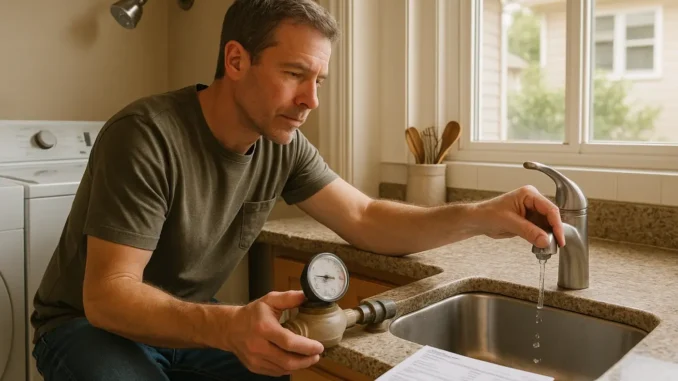
Faucet leaks are easier to spot. A sink that drips once every second can waste more than 3,000 gallons a year. That is enough wasted water to make anybody mutter a few choice words under their breath.
Use water efficient appliances and fixtures
Older appliances tend to use more water than newer efficient models. If your dishwasher or washing machine is past its prime, it may be driving up your utility costs more than you realize.
WaterSense labeled fixtures and appliances can help you save water at home without giving up comfort. Low flow showerheads, efficient faucets, and modern toilets all use less water while doing the job just fine.
Look for easy upgrades with quick payback
A low flow showerhead can cost under $30 and may save a family thousands of gallons per year. High efficiency toilets can save even more, especially in older homes where the original toilet uses far more water per flush than newer models.
If a full appliance upgrade is not in your budget, start small. Aerators for bathroom and kitchen faucets are inexpensive and can help reduce water usage right away.
Change daily habits that quietly raise your bill
Some of the easiest ways to save water are also the most ordinary. They do not require tools, apps, or a weekend project. They just require a little attention.
Turn off the tap while brushing your teeth, shaving, or scrubbing dishes. That simple habit can save several gallons a day. Over a month, that is real money, even if it does not feel dramatic in the moment.
Shorten showers and run full loads
Cutting a shower by just two minutes can save a family a noticeable amount of water over time. If your shower tends to drift into concert-length territory, setting a timer can help. Nobody needs a spa retreat every morning before work.
For laundry and dishes, wait until you have a full load. Running partial loads wastes water and energy, especially if your machine is older. Full loads help you get more out of each cycle and reduce water usage without much effort.
Use your outdoor water wisely
Outdoor water use can spike your bill, especially in warmer months. Lawns, gardens, and car washing can all use more water than people expect. The trick is to be strategic instead of generous for no reason.
Water lawns early in the morning to reduce evaporation. If you water during the heat of the day, more of it disappears before the soil can absorb it. That means you pay for water that never really helps your yard.
Choose plants and tools that save water
Native plants and drought tolerant landscaping can cut watering needs a lot. Even a small patch of mulch around plants helps soil hold moisture longer, which means less watering overall.
Use a broom instead of a hose to clean driveways and sidewalks when possible. And if you wash your car at home, use a bucket or a shutoff nozzle so water is not running the whole time.
Read your water bill like a detective
Your water bill can tell you more than the amount due. It can also reveal patterns, unusual spikes, and hidden issues. If your bill suddenly jumps and your habits have not changed, a leak may be the culprit.
Check whether your utility charges by usage tier. Some areas increase the rate once you cross certain thresholds, so a small amount of waste can push you into a more expensive bracket. That is one more reason to keep an eye on your usage.
Track monthly changes
Compare bills from month to month and year to year. Weather, guests, and seasonal yard care can affect usage, but large unexplained jumps deserve attention. A quick check of your meter can confirm whether water is still flowing when everything is turned off.
If your utility offers online tracking or usage alerts, take advantage of it. A little data can help you catch a problem before it becomes an expensive habit.
Small fixes can add up fast
Saving on water is usually not about one giant change. It is about stacking little wins. Fixing a leak, cutting shower time, and using efficient fixtures can work together to lower your water bill in a way that is easy to keep up.
Start with the simplest fix this week, then move to the next one. Once you build the habit, saving water at home becomes less of a project and more of a routine that pays off every month.
FAQ
How do I know if I have a hidden water leak?
Turn off all water in the house and check the meter. If it keeps moving, you may have a leak somewhere in the plumbing or a running toilet.
What is the cheapest way to save water at home?
Fixing leaks is usually the cheapest and most effective first step. Even a basic toilet flapper or faucet washer can make a meaningful difference.
Do low flow showerheads really save money?
Yes. They use less water without making showers miserable, which is a nice change from the old days when some low flow fixtures felt like a polite misting.
Can changing my laundry habits lower my water bill?
Running full loads instead of small ones can help save water and cut energy use too, especially if you do several loads a week.
Should I worry about my outdoor watering habits?
Absolutely. In many homes, outdoor watering is a major part of the bill. A few adjustments, like watering early and using drought tolerant plants, can help a lot.
Pick one water saving habit today, then add another next week. Those small choices are often the easiest way to lower your water bill without changing your whole life.