If your electricity bill has been creeping up and making you do a double take, you are not alone. These smart energy saving tips can help you lower your electricity bill without turning your home into a cave or a freezer. The good news is that a few simple changes can reduce energy costs fast, and most of them do not require a contractor, a spreadsheet, or a miracle.
Start with the biggest energy users in your home
Heating and cooling usually take the biggest bite out of a household budget. According to the U.S. Department of Energy, your thermostat settings can make a real difference, especially when you are home all day or away for hours at a time.
In the summer, set the thermostat as high as comfort allows. In the winter, set it a little lower and wear a sweater before you start negotiating with the furnace. A small adjustment of 7 to 10 degrees for 8 hours a day can save up to 10 percent a year on heating and cooling costs.
Use your thermostat with a little strategy
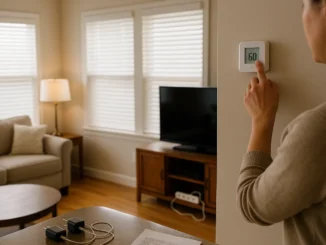
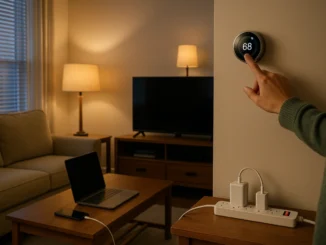
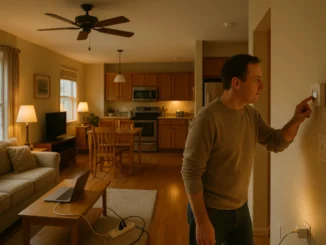
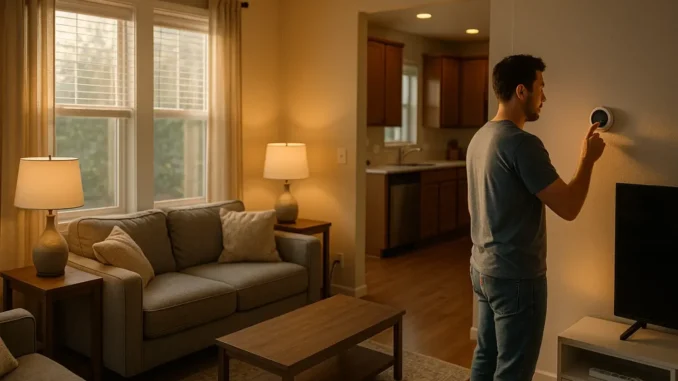
If you have a programmable or smart thermostat, use it. Set temperatures to match your schedule so you are not paying to cool or heat an empty house. Even older thermostats can help if you make a habit of adjusting them before bedtime or when you leave for work.
Fans can also help you feel more comfortable without cranking the AC. Ceiling fans do not lower the room temperature, but they can make a room feel cooler, which means you may be able to raise the thermostat a few degrees and still stay comfortable.
Cut vampire power and standby electricity
One of the easiest ways to save electricity at home is to reduce standby power, also called vampire load. That is the energy used by devices that stay plugged in even when they are not actively running, like TVs, game consoles, coffee makers, chargers, and printers.
The U.S. Department of Energy says these little energy leaks can add up to hundreds of dollars a year in some homes. It is not dramatic in the moment, but neither is a dripping faucet, and your bill still feels it.
Use smart power strips for electronics that stay in one place. They shut off power when devices are not in use, which makes them especially handy for entertainment centers and home offices. Unplugging chargers when they are done is another easy habit that can trim waste without changing your routine much.
Switch to LED lighting and better lighting habits
Lighting used to be one of the easiest places to waste money, but LED bulbs changed the game. ENERGY STAR-rated LEDs use about 75 percent less energy than old incandescent bulbs and can last much longer, which means fewer replacements and lower costs.
Replacing the bulbs you use most often is a practical place to start, especially in kitchens, living rooms, and porch lights. If a room is empty, turn the light off. It sounds basic, but basic is often where the savings live.
Make daylight work for you
Open blinds during the day and use natural light whenever you can. It costs nothing, and your lamps get a little break. For many homes, that simple habit can shave a bit off monthly usage without making life inconvenient.
Choose energy-efficient appliances and use them wisely
If you are shopping for a new appliance, look for the ENERGY STAR label. Efficient refrigerators, washers, dryers, and dishwashers use less electricity and water, which can help lower utility bills over time.
But the way you use appliances matters too. Run the dishwasher only when it is full, wash clothes in cold water when possible, and clean the refrigerator coils so the unit does not have to work overtime. A clogged coil may not sound serious, but it can quietly raise your energy use like a sneaky roommate.
When it comes to laundry, air-drying clothes occasionally can also help. You do not need to become a line-drying purist, but even one less dryer load each week can make a difference over the course of a year.
Pay attention to time-of-use billing
Some utility companies charge more during peak hours, often late afternoon and early evening. This is called time-of-use billing, and it can affect how much you pay for electricity depending on when you use it.
If your utility offers this pricing, try to run major appliances during off-peak hours. That includes dishwashers, washers, and dryers. Shifting just a few big tasks can reduce energy costs without changing what you do, only when you do it.
Check your utility bill or customer portal to see whether your plan includes peak and off-peak pricing. If it does, a little timing can go a long way.
Keep heating and cooling from working harder than they should
Your HVAC system cannot do its best work if air leaks out around doors, windows, and attic spaces. Sealing leaks with weatherstripping or caulk is a low-cost project that can improve comfort and cut waste.
Also replace dirty air filters regularly. A clogged filter makes the system strain, which can increase energy use and shorten equipment life. That is a bad deal no matter how you look at it.
According to Energy Star, well-maintained heating and cooling equipment can save homeowners a meaningful amount over time. It is one of those chores that pays you back, which is rare in homeownership.
FAQ
What is the fastest way to lower my electricity bill?
The quickest wins are usually thermostat adjustments, turning off unused lights, and unplugging or managing standby power. These changes are simple and can start saving money right away.
Do LED bulbs really save that much?
Yes. LEDs use far less electricity than incandescent bulbs and last much longer, so you save on energy and replacement costs.
How much can I save by adjusting my thermostat?
In many homes, setting the thermostat back 7 to 10 degrees for 8 hours a day can save up to 10 percent a year on heating and cooling costs. Results vary based on climate and home size.
Are smart thermostats worth it?
For many households, yes. If you are busy or forgetful, a smart thermostat can automate temperature changes and help reduce energy costs without much effort.
What should I look for on an appliance label?
Look for the ENERGY STAR label and compare annual operating costs when possible. Efficient models may cost more upfront, but they can pay off over time.
Saving money on electricity is usually about small habits that stack up. Start with one or two changes, like sealing leaks, cutting standby power, or adjusting your thermostat, and build from there. Your bill will not disappear, but it can get a lot less annoying, which is a solid win for any homeowner.