When the first cold snap hits, many homeowners get the same rude surprise: gas and propane bills that climb faster than the thermostat. The good news is that small changes that can slash your gas and propane bills often cost little or nothing. A few simple habits around the house can help lower gas bill stress, reduce heating costs, and keep more cash in your pocket all winter long.
Seal Drafts to Keep Warm Air Inside
One of the easiest ways to save on gas is to stop warm air from sneaking out of your home. Drafty windows, door gaps, and attic leaks force your furnace to work harder than it should. That means higher bills and a house that still feels chilly.
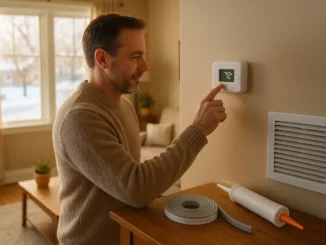
Start with the obvious trouble spots. Use weatherstripping around doors, caulk small gaps near windows, and add a door sweep if cold air slips under the front door. If your home has an attic hatch or older basement windows, those can be surprisingly leaky too.
Even a few small fixes can make a real difference. The U.S. Department of Energy has long said air sealing and insulation are two of the best ways to reduce heating costs without changing your daily routine. Translation: your furnace should heat your home, not the great outdoors.
Use Your Thermostat More Strategically
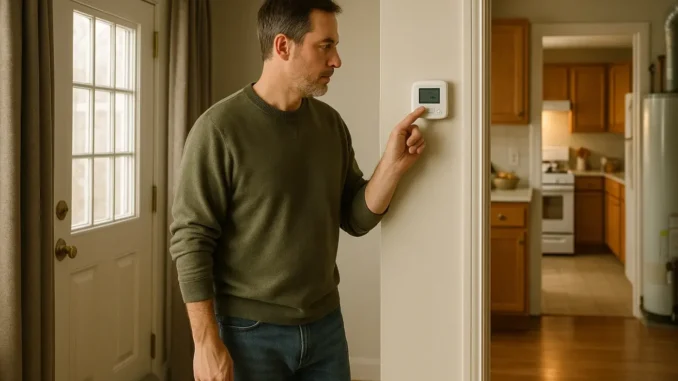
Next, take a closer look at your thermostat habits. Setting it a little lower in winter can trim your monthly gas bill without making life miserable. Many households do well around 68 degrees when people are home and awake, then a few degrees lower overnight or when the house is empty.
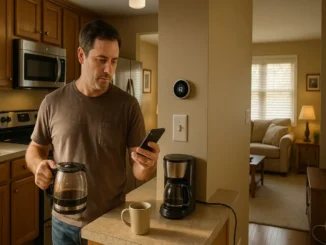
A programmable or smart thermostat can make that easier. Instead of heating an empty house, it can automatically adjust temperatures based on your schedule. If you are away for work or asleep for eight hours, lowering the temperature by 7 to 10 degrees can help cut heating costs over time.
Try to avoid cranking the heat way up when you feel cold. That does not warm the house faster in most cases, but it can make your system run longer than needed. A sweater is cheaper than a gas spike, and it never needs a service call.
Keep Furnaces and Gas Appliances in Good Shape
Once your home holds heat better, the next step is making sure your furnace is running efficiently. A dirty filter, clogged vent, or skipped tune-up can waste fuel and shorten the life of your system. That is not the kind of surprise anyone wants in the middle of winter.
Replace or clean filters regularly, especially during heavy heating months. If your system has not been checked in a while, schedule a professional inspection before the coldest weather arrives. A well-maintained furnace usually runs smoother, uses less energy, and is less likely to leave you frozen on a Saturday night.
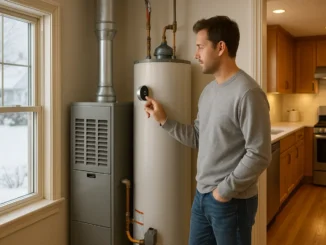
Do not forget other gas appliances either. Water heaters, fireplaces, and stoves should all be working properly and venting safely. If a pilot light is yellow instead of blue, or if you smell gas, call a qualified technician right away.
Cut Hot Water Use to Lower Gas Bills
Hot water is another quiet budget-buster. If your home uses a gas water heater, shorter showers and smaller laundry loads can help reduce gas usage more than you might think. You do not have to live like a camper, just stop letting hot water run forever down the drain.
Set the water heater to 120 degrees if it is higher than that now. For most families, that is plenty hot enough for showers, dishes, and laundry. Fix dripping faucets, because even a small leak can waste both water and energy every single day.
If you have a dishwasher or washing machine, use energy-saving settings when possible. Washing clothes in cold water is another easy win. The savings may not look huge in one week, but over a season they add up quickly.
Cook Smarter with Gas or Propane
Cooking is one of the most overlooked places to save on propane and natural gas. A few kitchen habits can trim waste without changing what ends up on the plate. In other words, dinner still happens, just with less money evaporating into thin air.
Use lids on pots so food heats faster. Match the flame to the pan size instead of sending heat around the sides. If you are making soup, pasta, or a big batch of chili, cook once and reheat later rather than using the stove several times a week.
For small jobs, consider a microwave, toaster oven, or air fryer if you already own one. They often use less energy than heating a full-size oven. That can be especially helpful in warmer months when you do not want the kitchen to feel like a sauna.
Manage Propane Refills and Track Usage
If your home uses propane, timing matters. Running low at the wrong moment can lead to rush fees or higher delivery charges. A simple habit like checking your tank level every week can save both money and stress.
Keep a note on your phone or a paper log of refill dates and approximate usage. Over time, you will notice patterns and can plan ahead before prices spike or the tank gets dangerously low. If possible, compare bulk delivery prices from local suppliers instead of waiting until you are in emergency mode.
It also helps to know which propane uses matter most. Heating the house, running a water heater, and cooking can add up differently in each season. Once you know where the fuel is going, you can make better choices about when to refuel and how to use less.
FAQ: Common Questions About Saving on Gas and Propane
What is the fastest way to lower a gas bill?
Sealing drafts and adjusting your thermostat are two of the fastest ways to see progress. They are simple, low-cost, and can start reducing heating costs right away.
Does lowering the thermostat really save money?
Yes. Even a small drop in temperature can reduce how often your furnace runs. Using a programmable schedule makes those savings easier to keep without thinking about it every day.
How often should I service gas appliances?
Most furnaces and heating systems should be checked once a year. Other gas appliances should be inspected if they are not working right or if you notice unusual smells, sounds, or weak performance.
How can I save on propane without changing my whole routine?
Track your tank level, refill before you run low, and use propane more efficiently in the kitchen and around the house. Small timing changes can prevent extra fees and help you avoid last-minute deliveries.
Is hot water really part of gas savings?
Absolutely. Water heating is a major energy user in many homes. Shorter showers, lower water heater settings, and fixing leaks can all help lower gas bill pressure.
Start with one easy change this week, like sealing a drafty door, lowering the water heater a bit, or setting a smarter thermostat schedule. Small steps add up fast, and once your home wastes less heat, your gas and propane budget gets a lot easier to live with.