Electric bills have a funny way of showing up right when you are already annoyed by everything else. One month it looks manageable, and the next month it feels like your home has been quietly running a small business behind your back. If you want to lower your electricity bill without making life miserable, a few simple changes can make a real difference.
The good news is that you do not need a full home makeover to save electricity at home. Small habits, smarter settings, and a few well-timed upgrades can help reduce energy costs without turning your house into a science project.
Start with the biggest energy users
If you want the fastest results, focus on the parts of your home that use the most power. Heating and cooling usually top the list, followed by water heating, lighting, and appliances. The U.S. Department of Energy says heating and cooling can account for about half of a typical home’s energy use, so that is a smart place to begin.
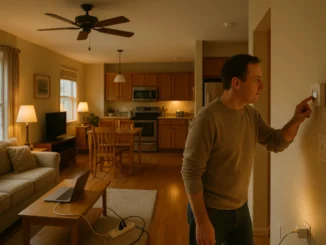
Even a small adjustment can lead to noticeable savings over time. Lowering your thermostat by 7 to 10 degrees for eight hours a day can save up to about 10 percent a year on heating and cooling, depending on your home and climate. In summer, raising the thermostat a few degrees when you are away works the same way.
Adjust the thermostat with purpose
Comfort matters, but so does not overpaying to heat or cool empty rooms. In winter, try setting the thermostat as low as is comfortable while you are home. At night or when you leave, dial it back a bit more.
In warmer months, use fans along with the AC instead of cranking the temperature down. Fans help you feel cooler, which lets you set the thermostat higher without feeling like you are living inside a toaster.
Cut standby power from vampire devices
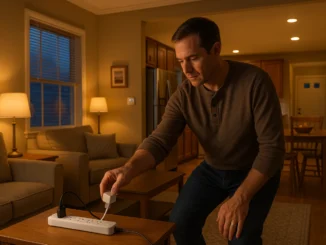
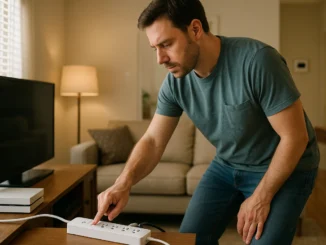
Many devices keep pulling electricity even when they are turned off. These so-called vampire devices include TVs, game consoles, coffee makers, chargers, streaming boxes, and desktop computers. Individually, they do not seem like much, but together they can waste a surprising amount of power.
Unplugging these items or plugging them into power strips makes it easier to shut them off completely. According to Energy Star, smart power strips can help reduce standby power use and save a household around $100 a year in some cases, depending on how many idle devices you have.
This is one of the easiest ways to reduce energy costs because it does not require a lifestyle overhaul. You just need to stop paying for electricity you are not actually using.
Use energy-efficient appliances and settings
When it is time to replace an appliance, look for ENERGY STAR-certified models. They use less electricity than standard versions and can cut long-term operating costs. That matters more than many people realize because the cheaper appliance at checkout can become the expensive one over time.
You can also save money with the appliances you already own. Wash clothes in cold water, run full dishwasher loads, and clean dryer lint filters regularly so your dryer does not work harder than it should. Small habits like these add up.
Make your laundry and kitchen work smarter
Air-drying clothes when possible can trim dryer use, which is one of the hungrier appliances in the house. In the kitchen, using the microwave, toaster oven, or slow cooker instead of the full oven can save electricity for smaller meals.
These are not dramatic changes, but they are reliable ones. If you are trying to lower electricity bill pressure month after month, consistency matters more than flashy one-time fixes.
Switch to LEDs and rethink lighting habits
Lighting is one of the easiest places to save electricity at home. LED bulbs use at least 75 percent less energy than incandescent bulbs and last much longer, so they save money twice. That means fewer bulb changes and less power use, which is a pretty solid deal.
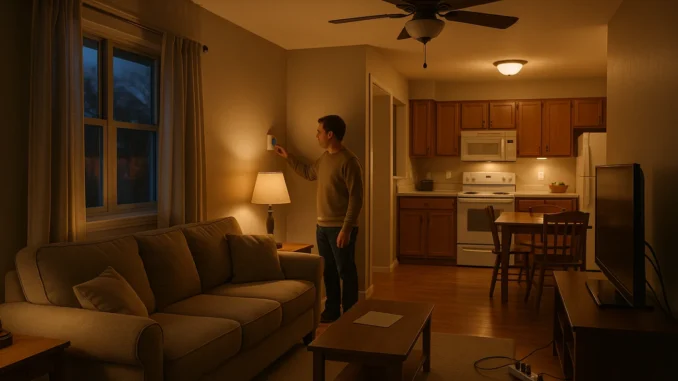
Also, turn lights off when you leave a room. It sounds obvious, but it is one of those habits that saves more money than people expect when it becomes automatic. If you often forget, motion sensors or timers can help.
Pay attention to time-of-use billing
Some utility companies charge more during peak hours, usually late afternoon and early evening when demand is highest. This is called time-of-use billing, and it can make a big difference in what you pay. If your utility offers it, check when rates are lowest and shift some tasks to cheaper hours.
That might mean running the dishwasher later at night, charging devices overnight, or doing laundry in the morning. If your electric bill seems to jump for no clear reason, peak pricing may be part of the story.
Keep heating and cooling systems in shape
A dirty filter or blocked vent can make your system work harder than necessary. Replace or clean HVAC filters regularly, keep vents clear, and make sure windows and doors seal properly. These fixes are simple, but they help your system run more efficiently.
You can also use curtains, blinds, and ceiling fans to support your heating and cooling. In winter, open curtains during sunny hours to bring in warmth. In summer, close them during the hottest part of the day to keep the heat outside where it belongs.
FAQ
What is the easiest way to lower my electricity bill?
Start with thermostat adjustments, LED bulbs, and unplugging standby devices. Those are low-effort changes that can reduce energy costs quickly.
Do smart power strips really save money?
Yes, especially if you have several devices that stay plugged in all the time. They help stop phantom power use without making you unplug everything by hand.
Are LED bulbs worth it?
Absolutely. They use much less electricity than old bulbs and last much longer, which saves money on both power and replacements.
How much can I save by changing my thermostat?
Depending on your home and local climate, adjusting your thermostat a few degrees can save around 10 percent a year on heating and cooling costs.
Cutting your power bill is usually about building a few smart habits and sticking with them. Pick two or three changes you can keep up with, and you will likely notice the difference on your next bill before long.